flower, gardening

Tahiti

This spring felt like a small success already, simply because Tahiti made it through the winter again. There’s always a quiet moment of relief when the first leaves come up, especially after a colder season. You never quite take it for granted.

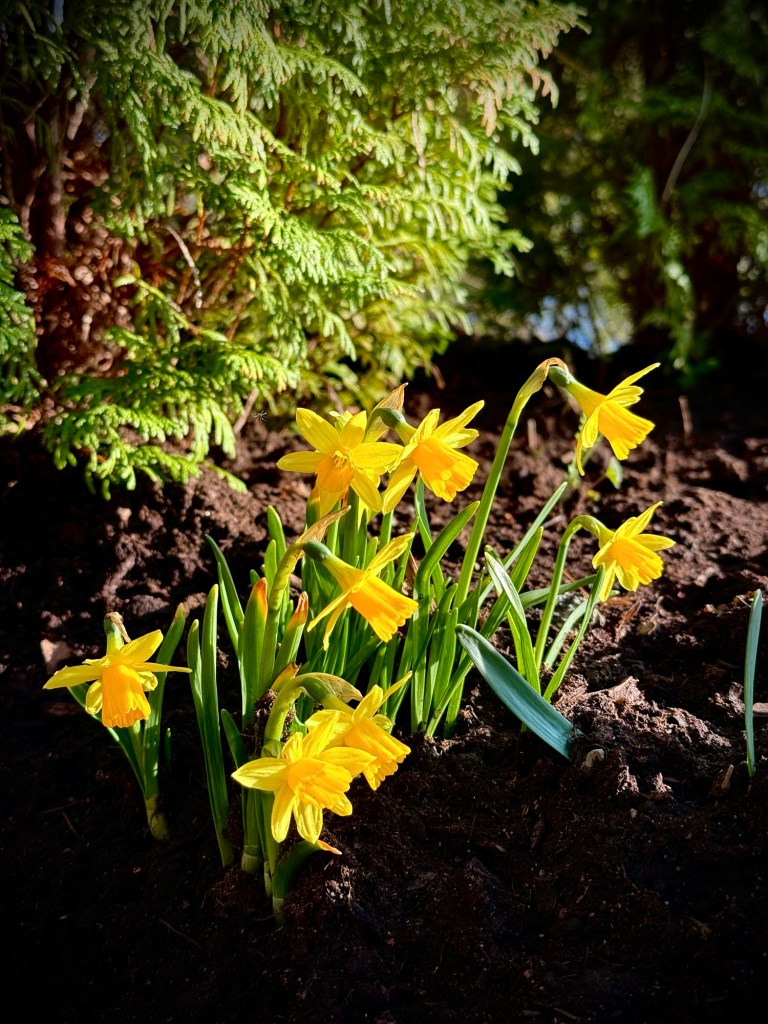
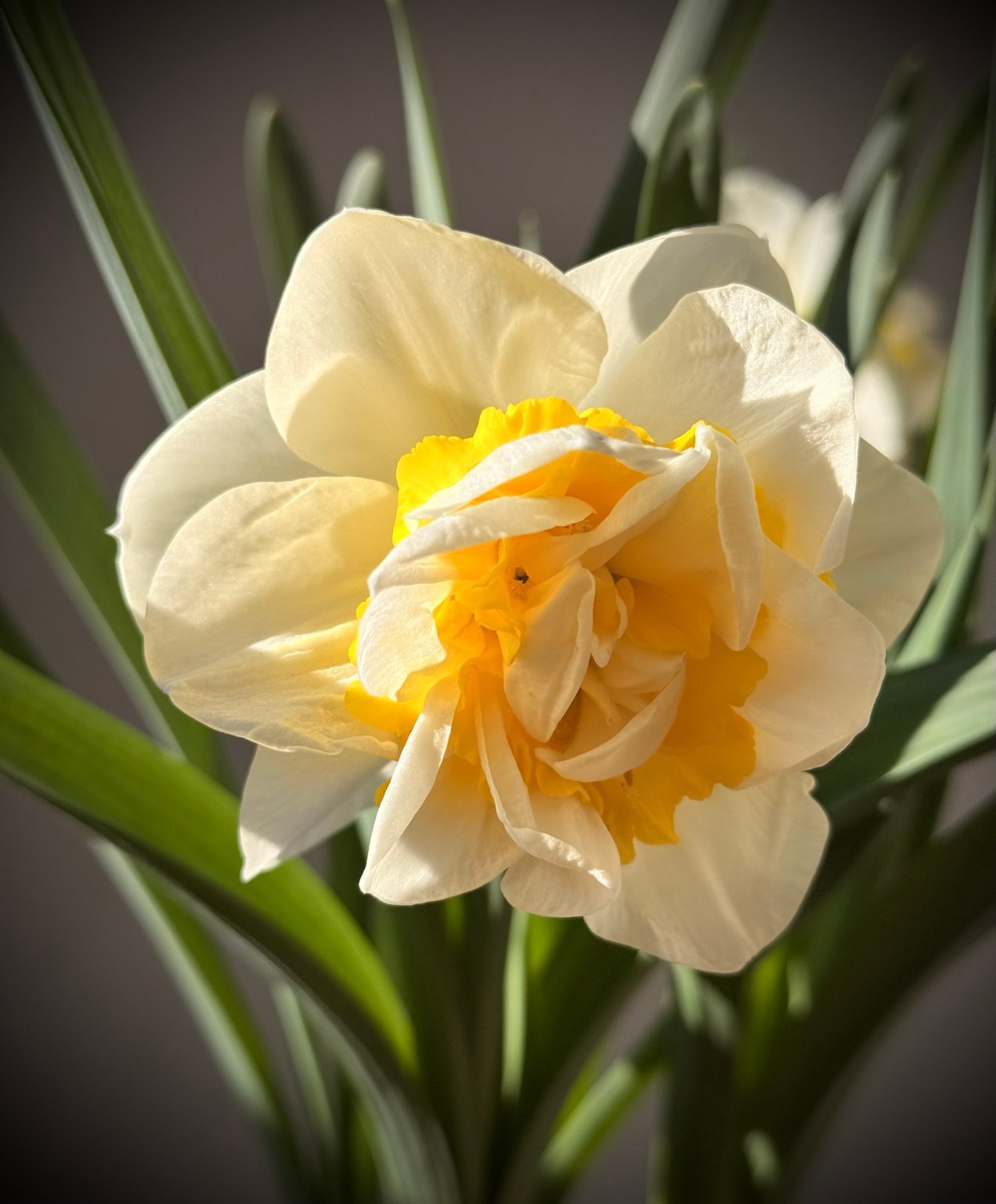
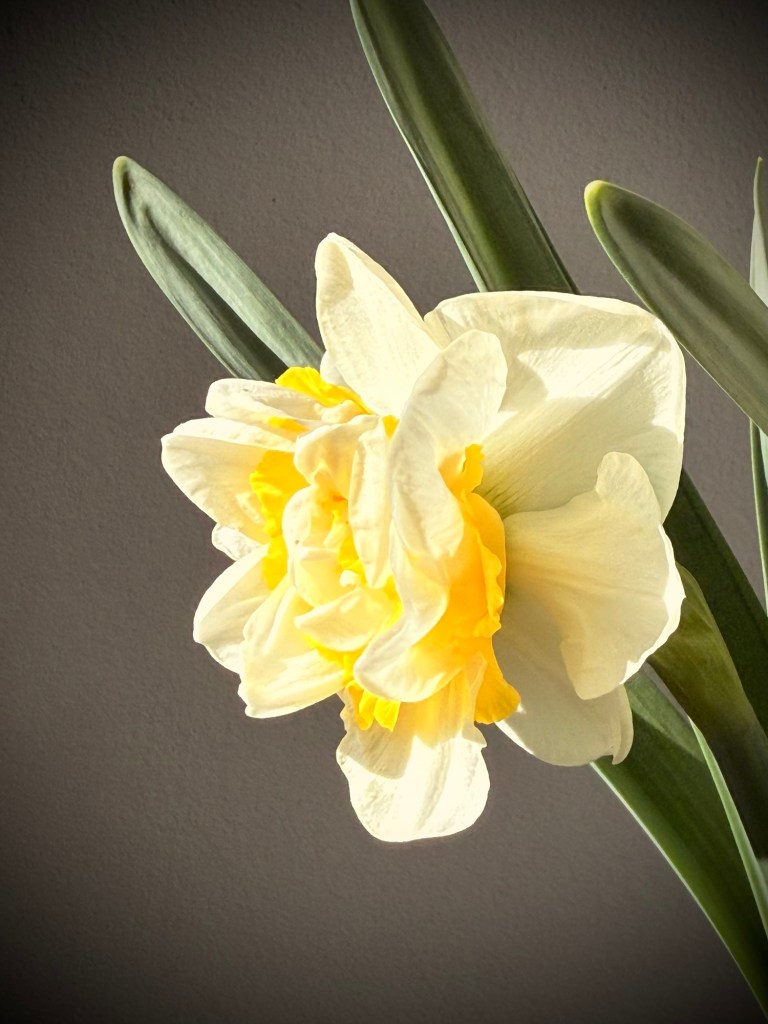
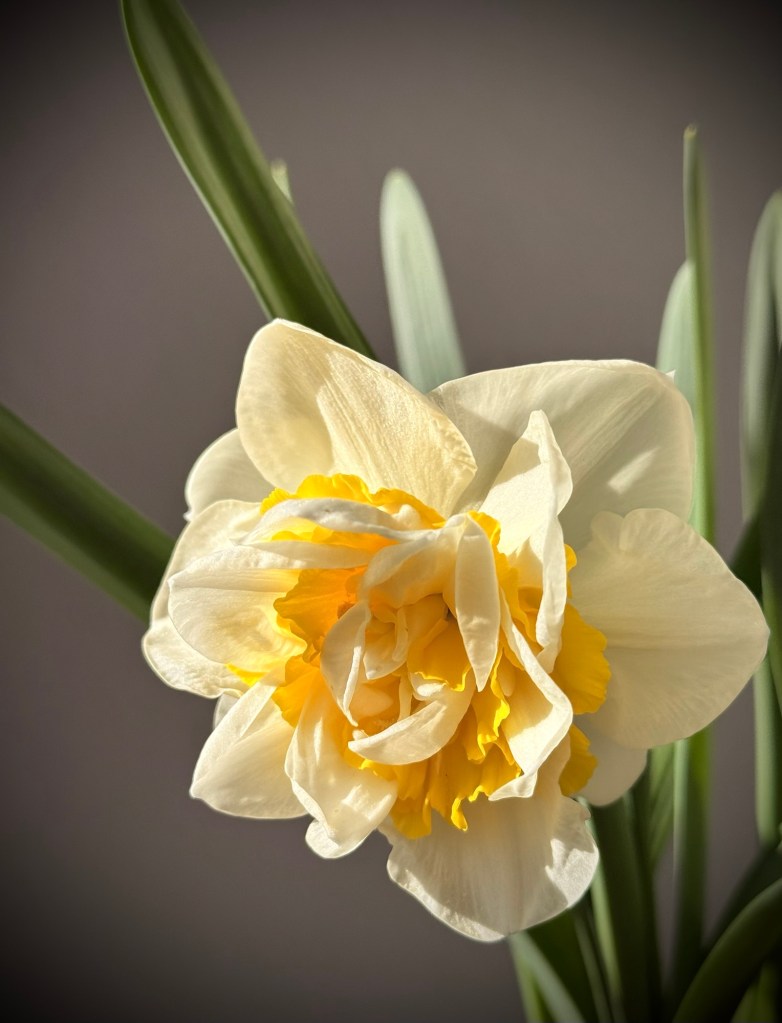
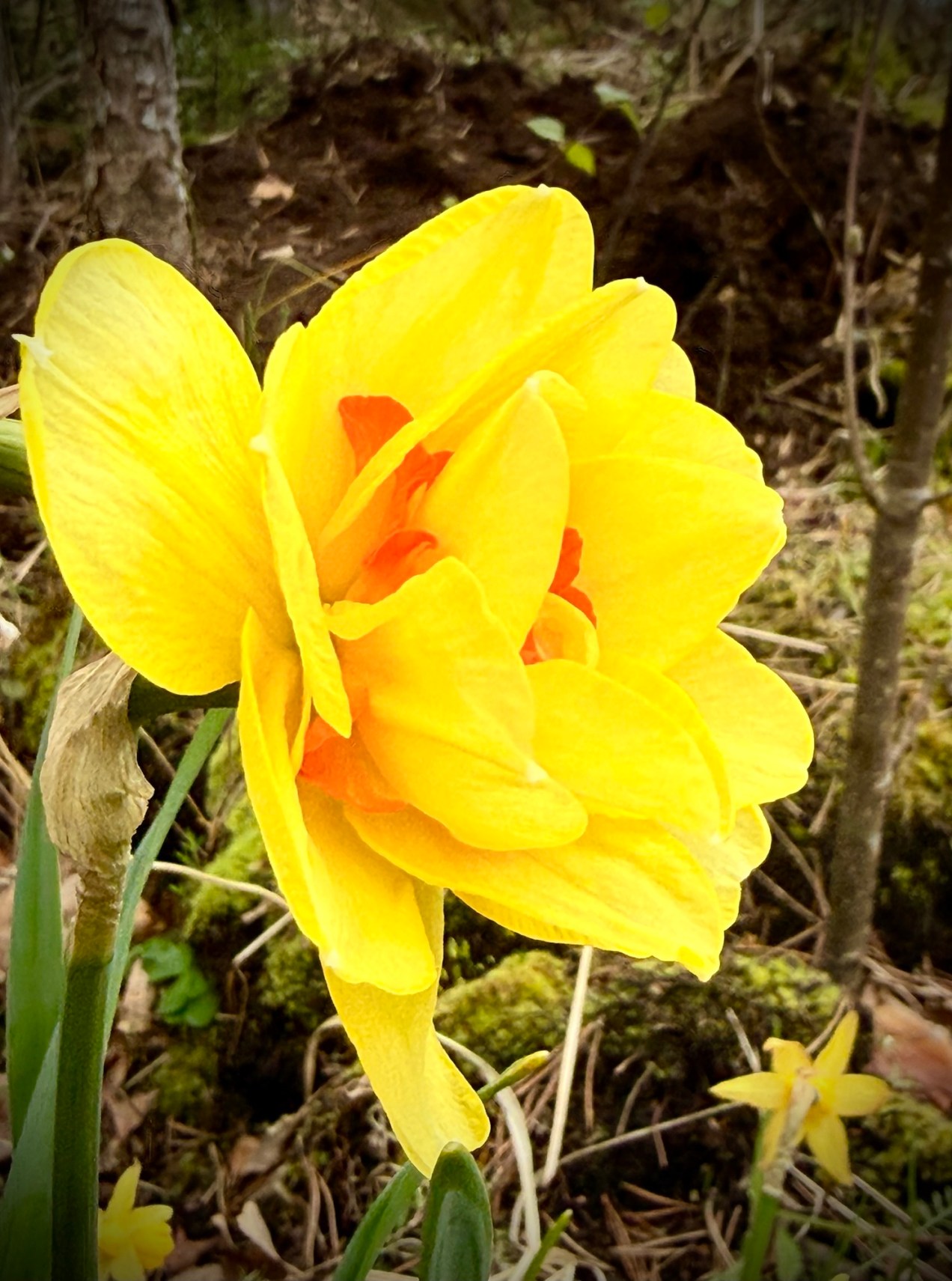
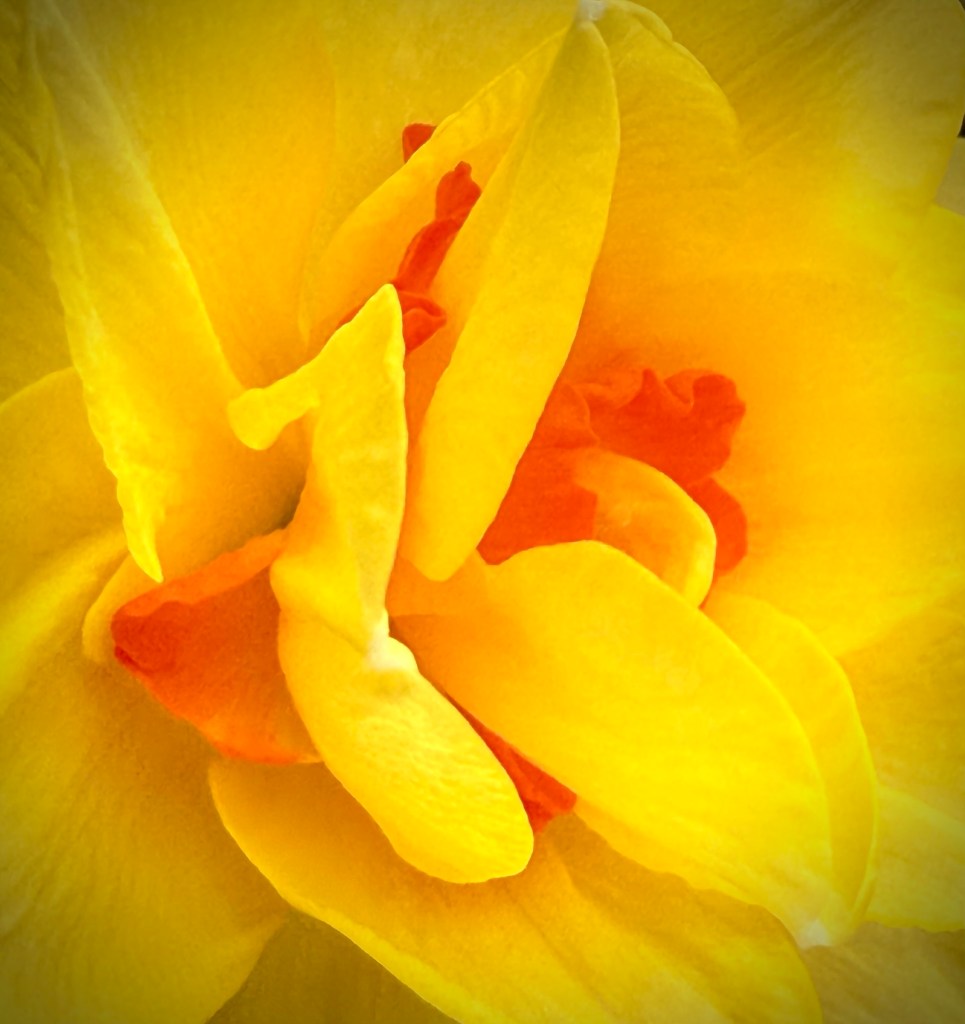
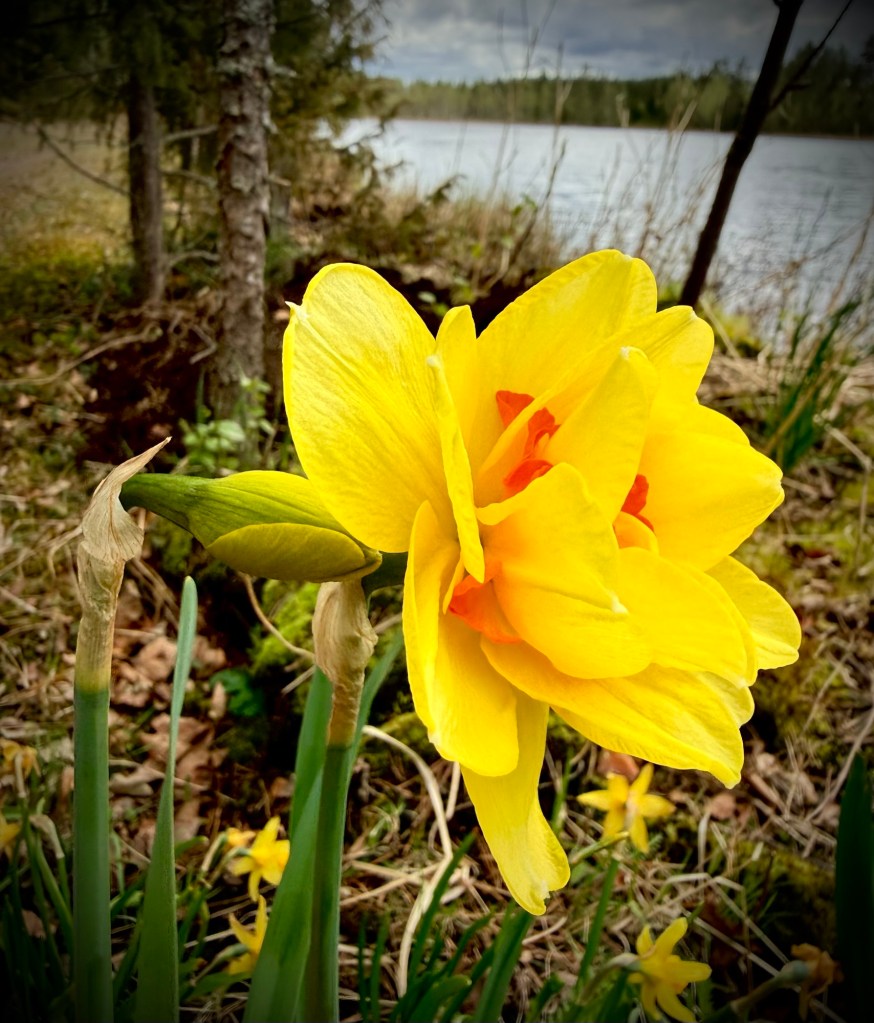
Tahiti (Narcissus ‘Tahiti’) is easily the brightest daffodil I have. The colour is not shy in any way—strong yellow with a deeper, almost glowing orange in the centre. When the flowers open, they don’t look delicate or minimal like some narcissus. Instead, they feel full and slightly wild, with layers that catch the light differently depending on the time of day.

Here, they begin to flower in May and continue through the month. It’s a time when the garden is starting to settle, but still feels fresh and unfinished. Many plants are only just finding their place again after winter, and that’s where Tahiti stands out—it doesn’t wait quietly in the background.

For a few weeks, they bring that strong colour into the garden, and then they’re gone again for the season. By summer, they’ve already done their part. I like knowing that once May passes, the same bulbs will go on to spend the warmer months by the lake, resting and gathering strength for another year.

That rhythm suits them. A short, bright moment in spring, followed by a long, quiet stretch out of sight.

They’re also simple to live with. Like other daffodils, they don’t ask for much once planted. Autumn is the time to put the bulbs into the ground, and after that they take care of the rest. The leaves come and go, and while they may look untidy for a while after flowering, it’s part of the rhythm that keeps them returning each year.

Tahiti is not a quiet presence in the garden, but that’s exactly why I keep it. In May, when everything is beginning to take shape, it brings colour that feels confident and steady—something you can rely on each spring.
Standard
flower, gardening

Tete-a-Tete

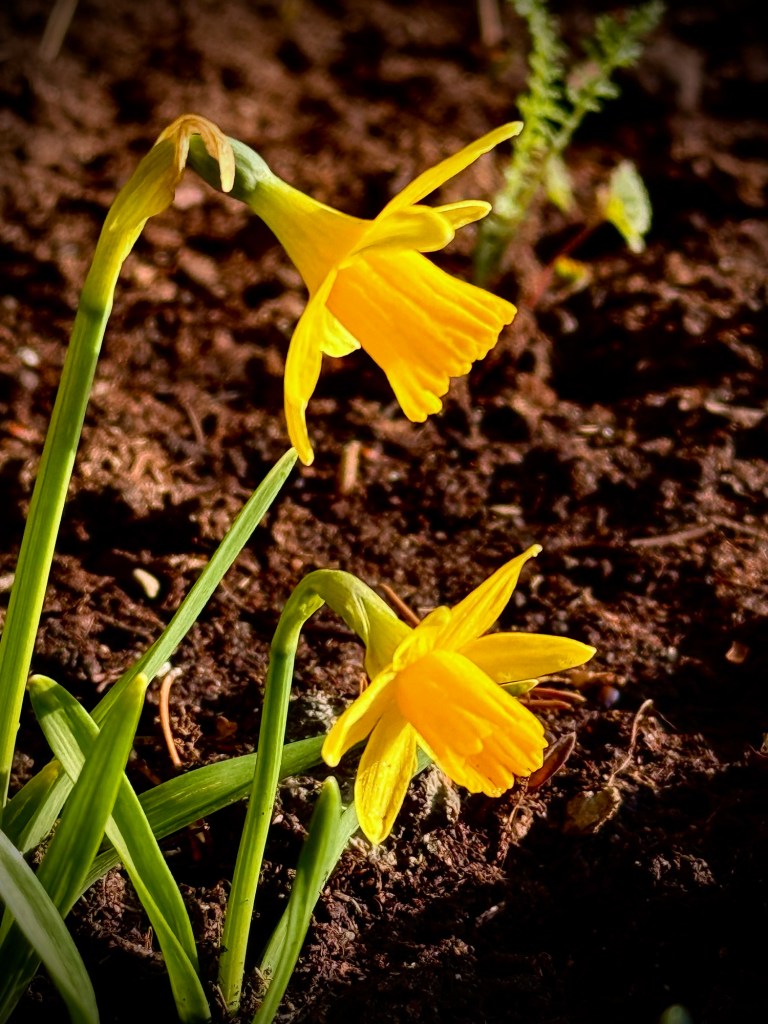
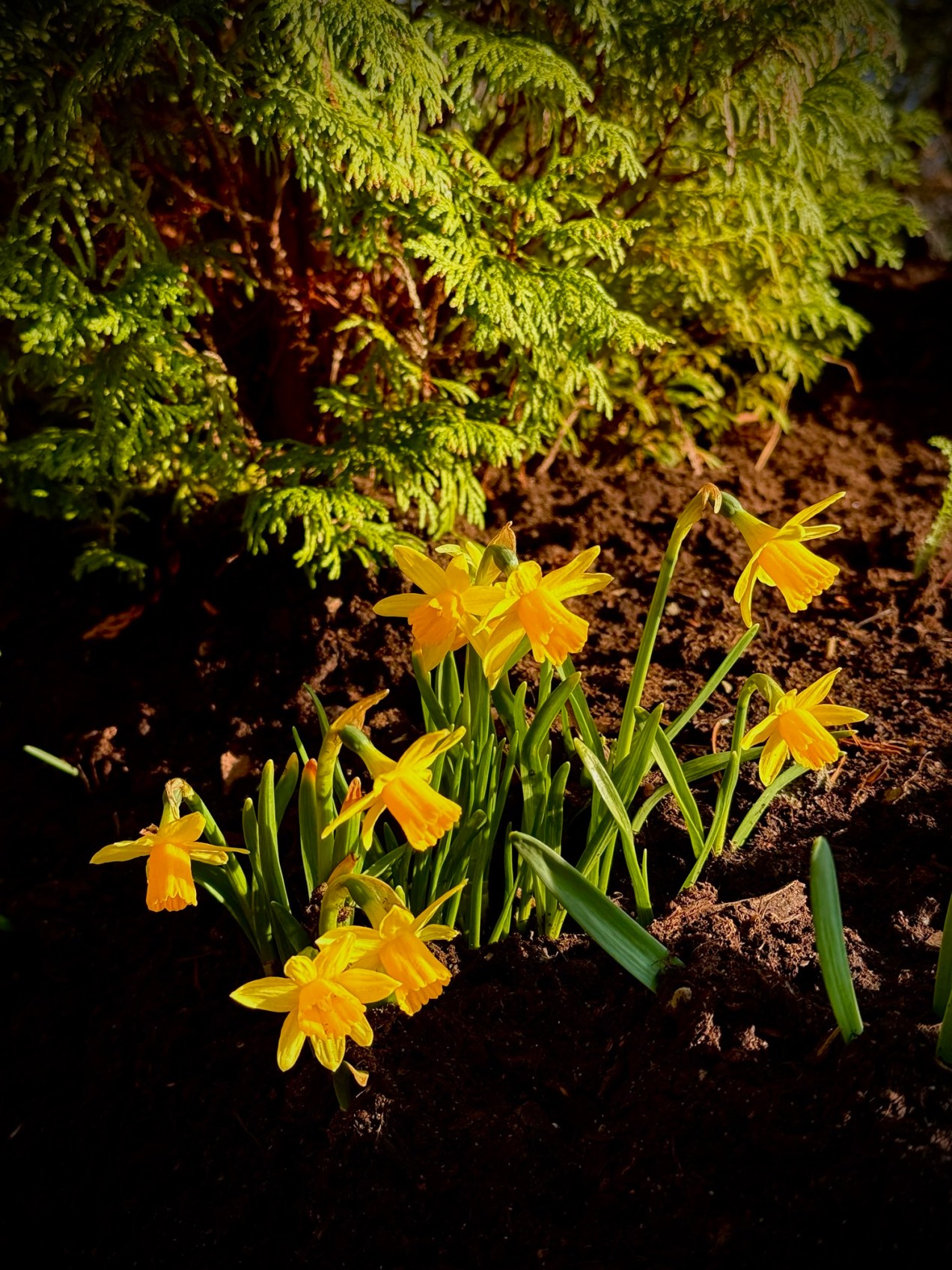
At first glance, Tête-à-Tête daffodils (Narcissus ‘Tête-à-Tête’) can seem almost too delicate for the Finnish spring. They are compact, with short stems and cheerful yellow flowers that lean slightly to one side, as if in quiet conversation. It’s easy to assume they belong in sheltered spots or only in pots brought out for display. But over the years, I’ve come to see that they are tougher than they look.

These miniature daffodils are often among the first to appear once the snow retreats. Sometimes they push through cold soil that still feels more like early April than spring. A light frost doesn’t seem to worry them much. Their leaves may bend, and the flowers may look a little tired for a moment, but when the temperature rises again, they simply continue. There is a kind of quiet resilience in that.

In the garden, I’ve planted them in several places – along the edge of a path, near the base of a shrub, and even in spots where the soil is not particularly improved. They return reliably each year, forming small clumps that slowly grow bigger. They don’t demand attention, but they reward it if given. A bit of well-draining soil and some light in spring is enough.

What I especially appreciate about Tête-à-Tête is how naturally they fit into the early season. At a time when the garden still feels sparse, their bright yellow brings structure and rhythm. They pair well with other early growers, like crocuses or the first emerging perennials, but they are also quite content on their own.

In pots, they are just as dependable. Even when left outside through fluctuating spring weather, they tend to perform without complaint. If anything, they seem shaped by those changing conditions.

There is no showiness here, nothing overly dramatic. Just small flowers, steady growth, and the sense that spring is moving forward—slowly but surely.

And perhaps that is their strength. Tête-à-Tête doesn’t try to stand out by size or boldness. Instead, it simply returns, year after year, doing exactly what it’s meant to do.

Standard
flower, gardening

Sunflower

Up here in the north, sunflowers (Helianthus annuus) are not something I buy very often. Not because I don’t like them—quite the opposite—but somehow they feel like a plant made for warmer places, long summers, and endless sunshine. Our season is shorter, more uncertain, and I’ve always wondered if they truly settle in here the way they should.

A few days ago, though, I noticed them at the garden centre. Tall, confident, already in bloom—bright yellow faces turning gently toward the light. They stood there like small pieces of summer itself. I paused, of course. Admired them. But the price tag made the decision easy enough: I walked away.

Or so I thought.

When I returned a few days later, things had changed. The same sunflowers were still there, but now slightly wilder, a little less polished—and marked down. The kind of quiet invitation that is hard to resist. This time I didn’t hesitate for long. I brought home two plants and suddenly I was carrying a bit of that golden warmth.

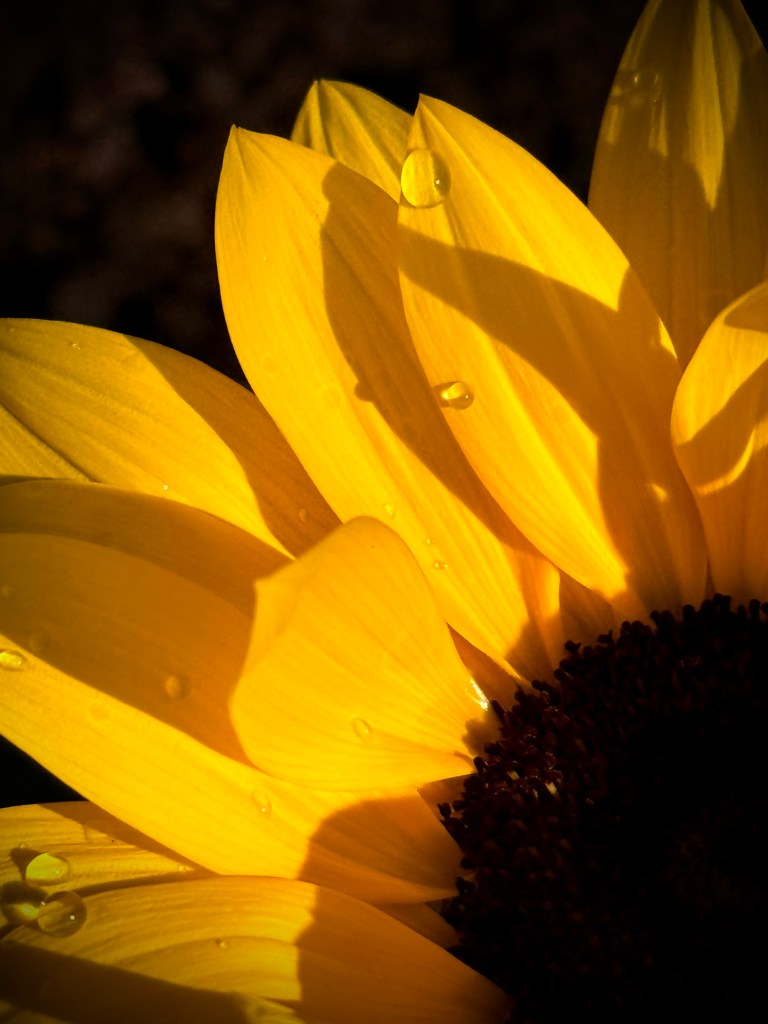
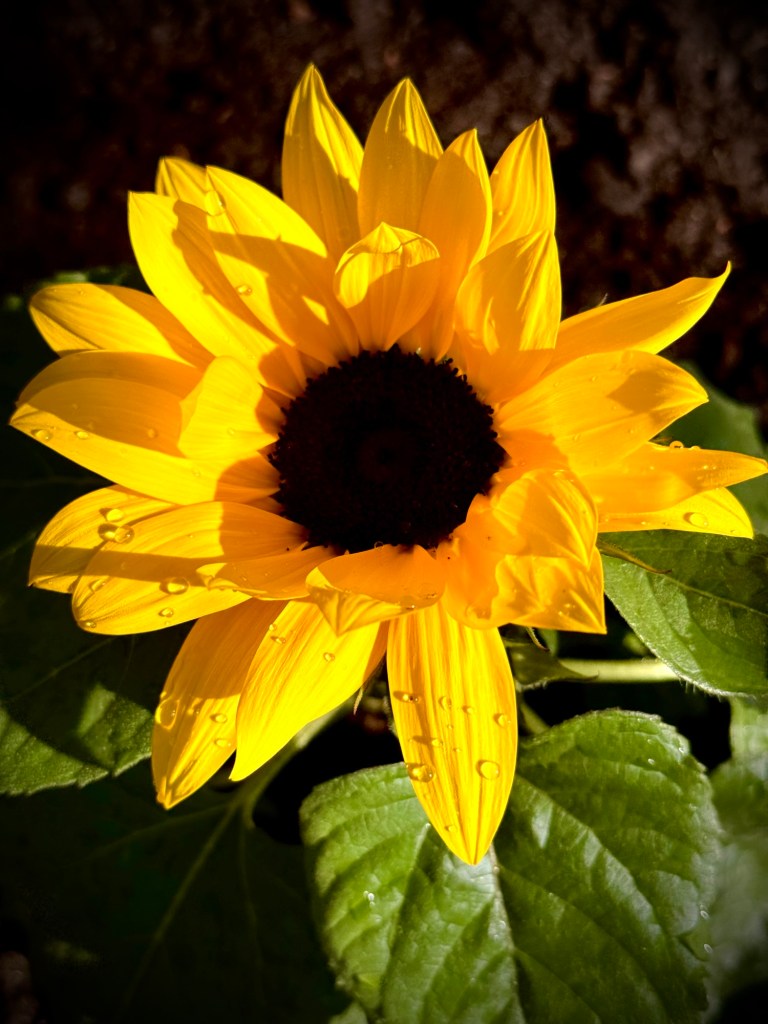
This variety is especially lovely. Instead of a single large flower, it produces many blooms—branching out into smaller, softer “plumes” of yellow. It feels lighter somehow, less formal than the traditional tall sunflower with its bold central disk. There’s something generous about it, the way it flowers again and again.

They’ve now been planted at the summer place, where the light is open and the evenings long. Even in these northern conditions, they already seem at ease, catching the sun whenever it appears and holding onto it.

Sunflowers, in general, are surprisingly adaptable. Although they are often associated with heat, they are fast growers and can manage well if given enough light and a sheltered spot. Their roots run deep, and once established, they carry a certain resilience—something I perhaps underestimate every year.

And there is something else about them too. They bring a different kind of mood into the garden. Not delicate like violets or nostalgic like geraniums, but cheerful, almost bold. They don’t ask quietly for attention—they offer it freely.

So perhaps I will not wait so long next time. Even here, even in the north, there is room for a little more sunlight.

Standard
flower, gardening

Dahlia

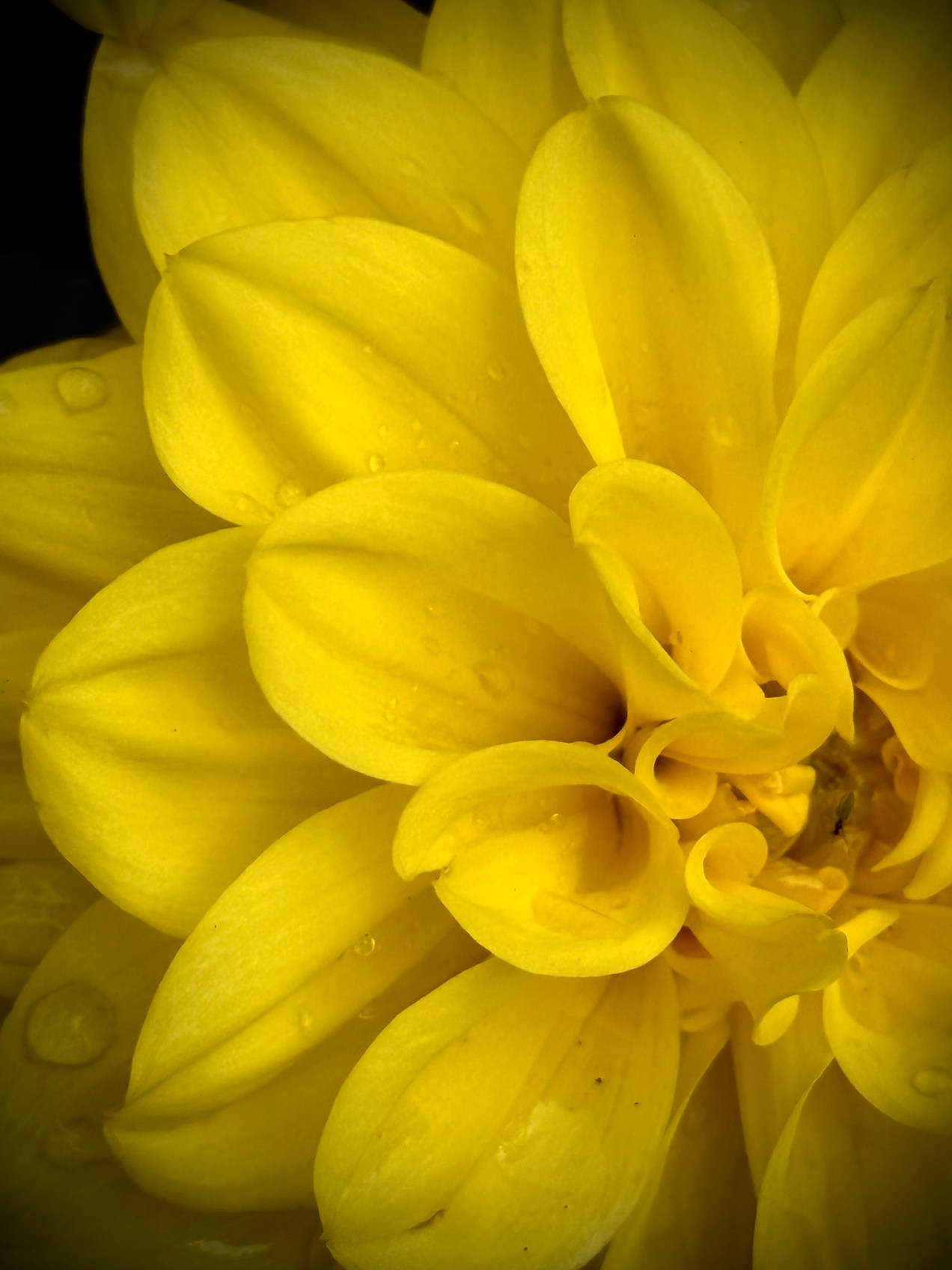
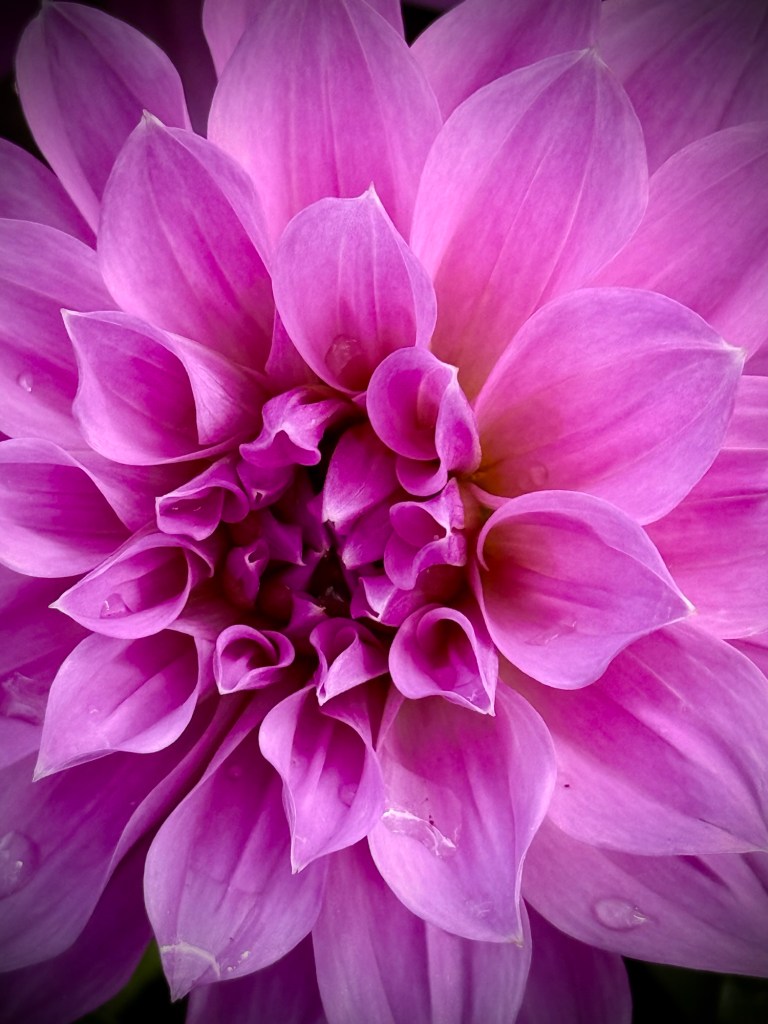
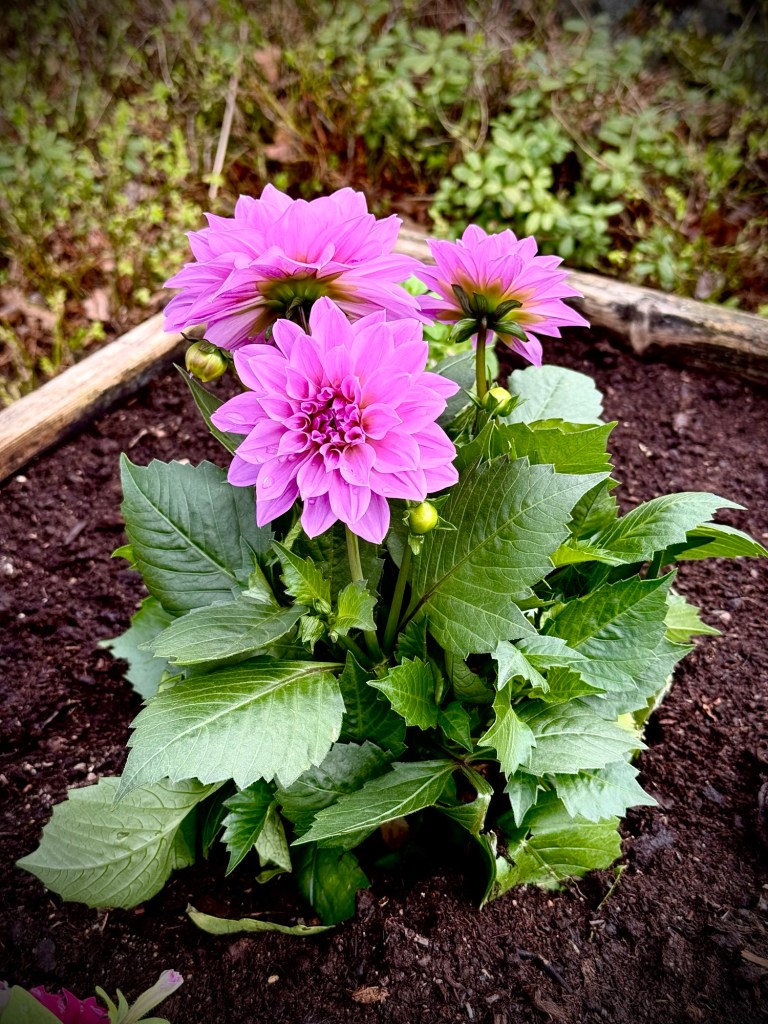
t is far too early for dahlias (dahlia). I know that, and every spring I remind myself of it. Nights can still be cold, the soil barely warmed, and frost is never completely out of the question. And yet, when I saw these two dahlias, already blooming in bright, confident colours, all common sense quietly stepped aside.

They were impossible to ignore. Strong stems, fresh green leaves, and flowers already fully open — a promise of summer standing right there in front of me. I didn’t plan on buying dahlias this early, but plans are easily forgotten when temptation looks this good. So, of course, they came home with me.

Instead of the balcony, I planted them straight at the summer cottage. It felt like the right place for such an early gamble. The days are longer there, the light softer, and even if the nights turn cold, I hope the location will give them a fighting chance. Gardening in the north often feels like a series of small risks taken with crossed fingers. Sometimes they fail, but sometimes they reward you generously.

If all goes well, these two will grow into bright plumes of colour that last all summer. That is the hope, at least. Dahlias are good at rewarding patience — once they get going, they rarely hold back.

ahlias belong to the Asteraceae family and originate from Central America, particularly Mexico. They were originally grown not just for beauty but also for practical uses, long before becoming garden favourites. Today there are thousands of varieties, ranging from small, neat pompons to large, dramatic dinner-plate flowers. Colours cover almost every shade imaginable, from soft pastels to deep, intense reds and purples.

Despite their lush appearance, dahlias are not especially demanding. They like sun, regular watering, and well-drained soil. What they do dislike is frost. In colder climates, tubers usually need to be lifted and stored over winter, making them a seasonal commitment rather than a one-time planting.

That’s part of their charm. Dahlias ask you to be present — to plant, to wait, to protect, and eventually to let go when autumn arrives. For now, though, it’s spring, and optimism comes easily. I’ll keep an eye on the weather forecasts and hope that this early start turns into a long, colourful summer.

Standard
flower, gardening

Petunia

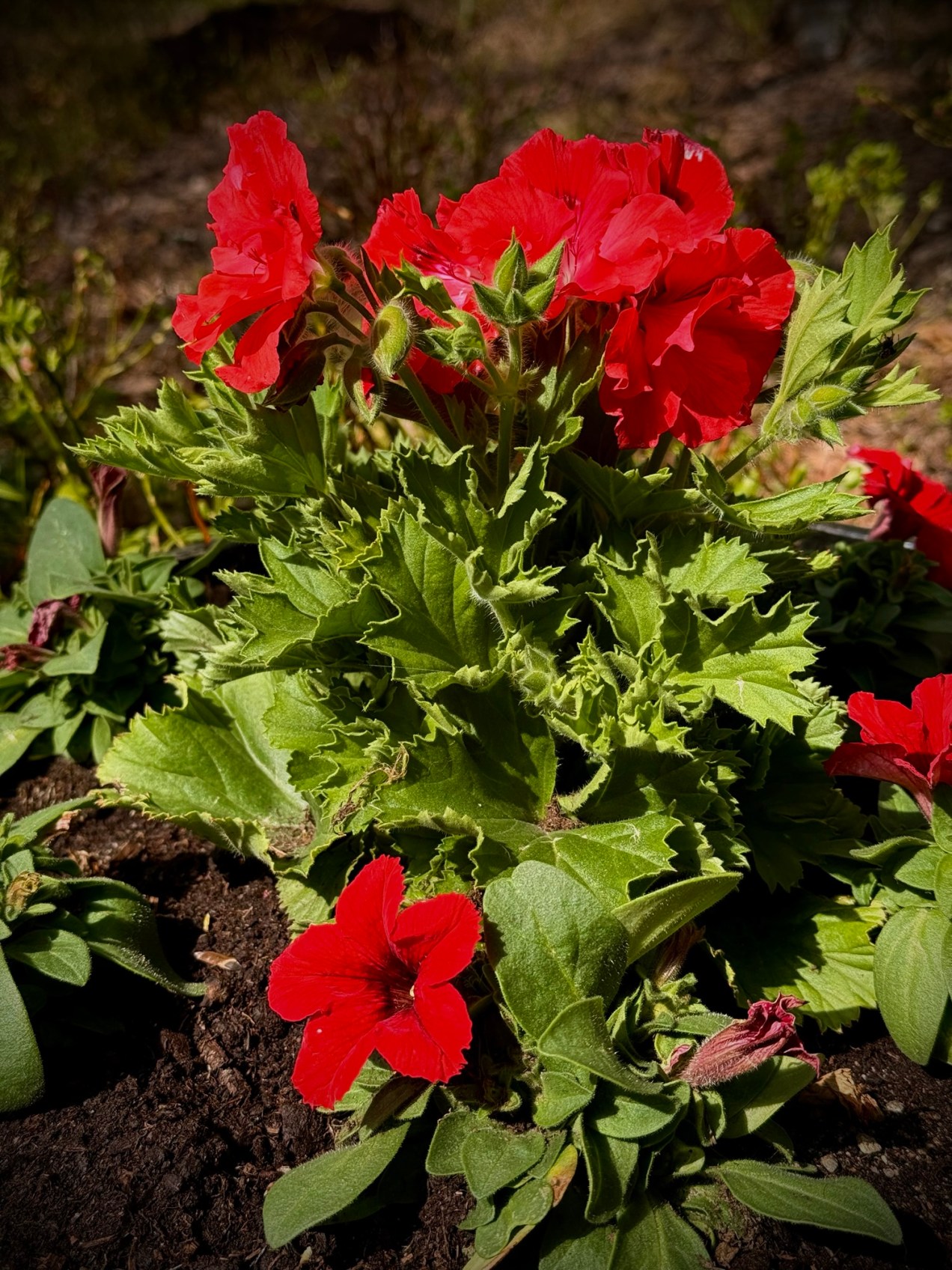
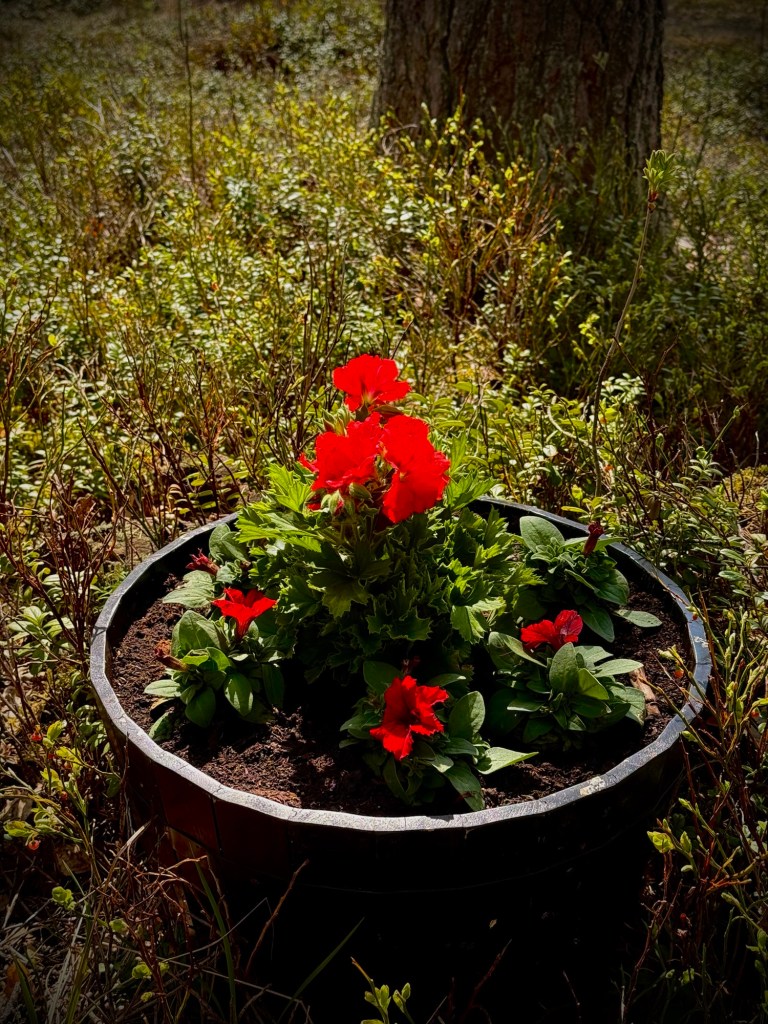
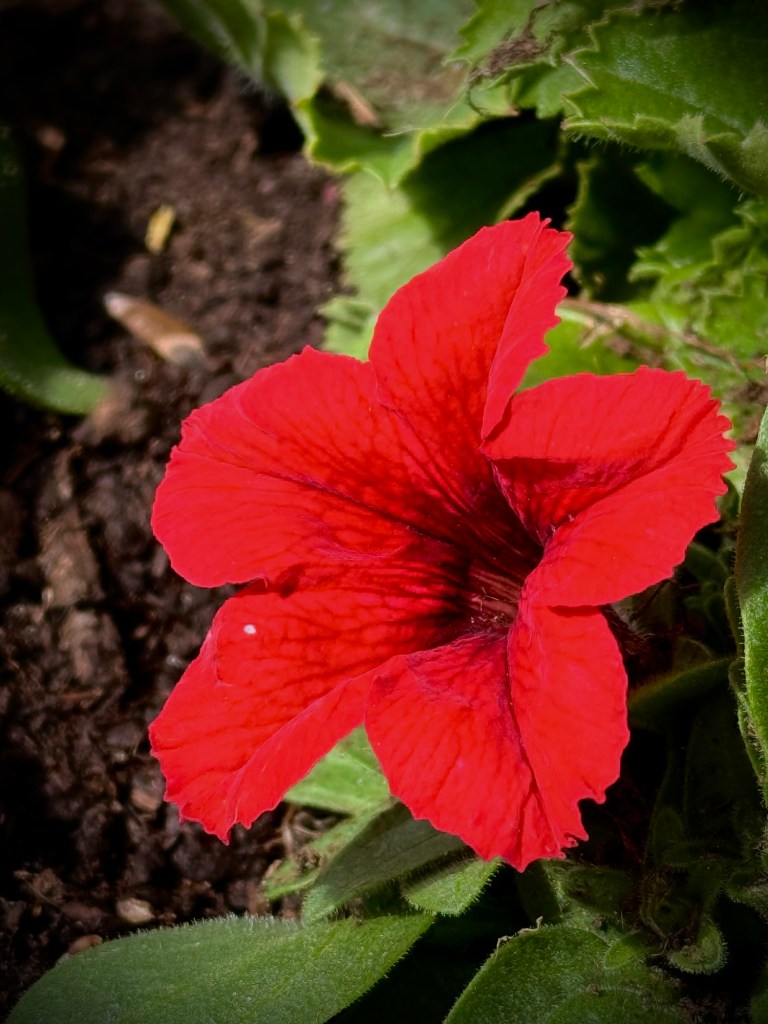
It’s still a little early for petunias (petunia) here, and I know it. The nights can surprise you, and one cold snap is enough to undo all the enthusiasm of a warm afternoon. But after a few genuinely sunny days, I’ve decided to take the risk this year. Sometimes it just feels right to get started.

I spent part of the weekend visiting my mum in the town centre for Mother’s Day. We had a quiet, lovely visit — a walk through familiar streets and, of course, a stop at a flower shop. It’s become a bit of a habit this time of year. I don’t really plan what I’ll buy, but I always seem to come home with something. And more often than not, it’s petunias.

There’s something reassuring about them. With so many plants, I find myself hesitating — will they cope if I’m not there every day, will they need more care than I can give? But petunias are different. They’re reliable in a way that fits perfectly with summer cottage life. When the weather turns warm and dry, they don’t give up easily. They keep flowering, even if watering is a bit irregular.

That’s probably why I return to them year after year. I might try something new each season, but petunias are always part of the mix. They fill the pots quickly, soften the edges of planters, and bring just enough colour without feeling too demanding. And once they settle in, they seem to take care of themselves surprisingly well.

So here I am, a bit ahead of the season, with a few pots already planted. I’ll keep an eye on the forecast and be ready to move them if needed, but I’m choosing not to wait this time. After a long winter, it feels good to start.

And if nothing else, seeing those first petunia blooms outside — even a little too early — is a reminder that summer is on its way.

Standard
flower, gardening

Violet

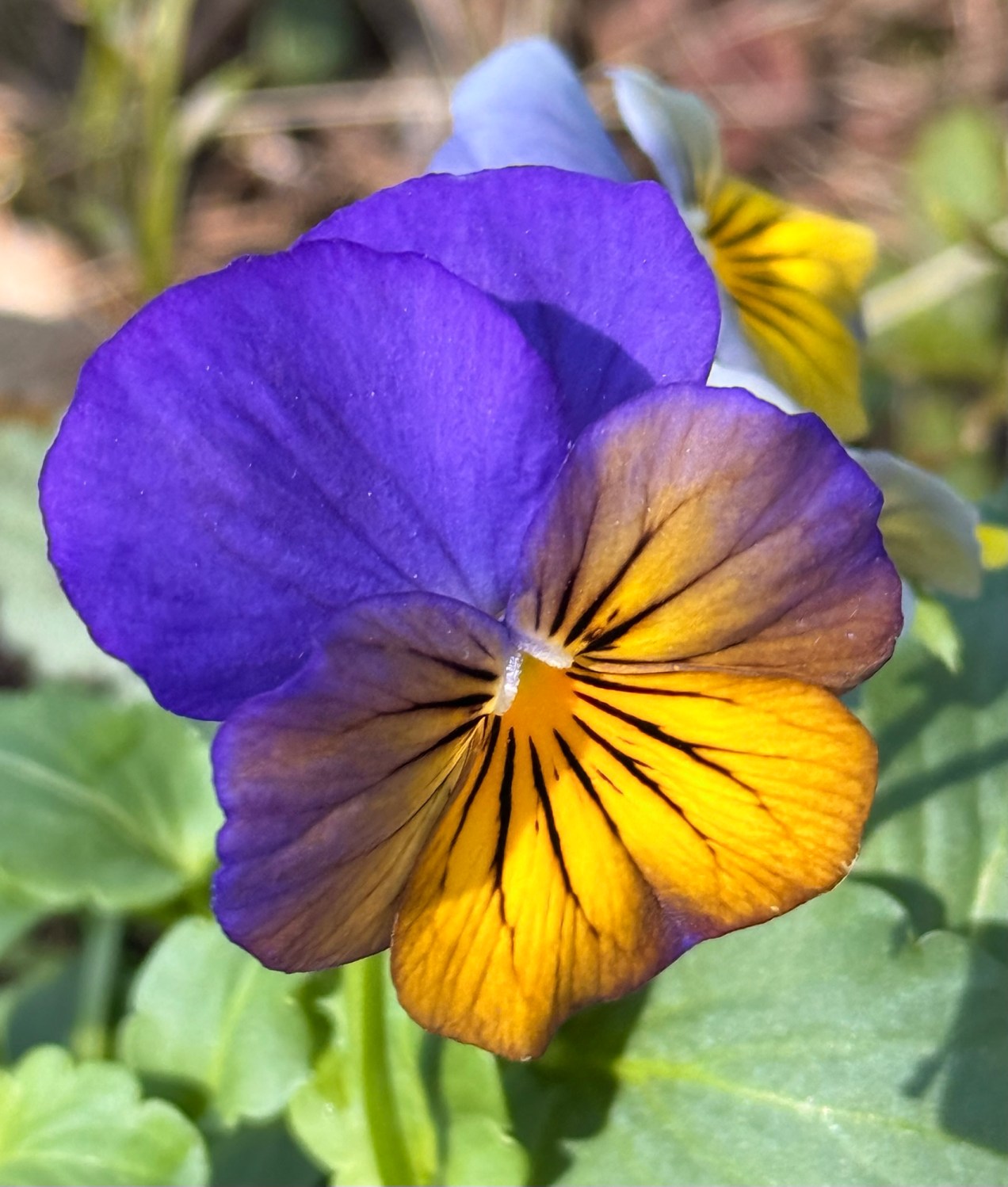
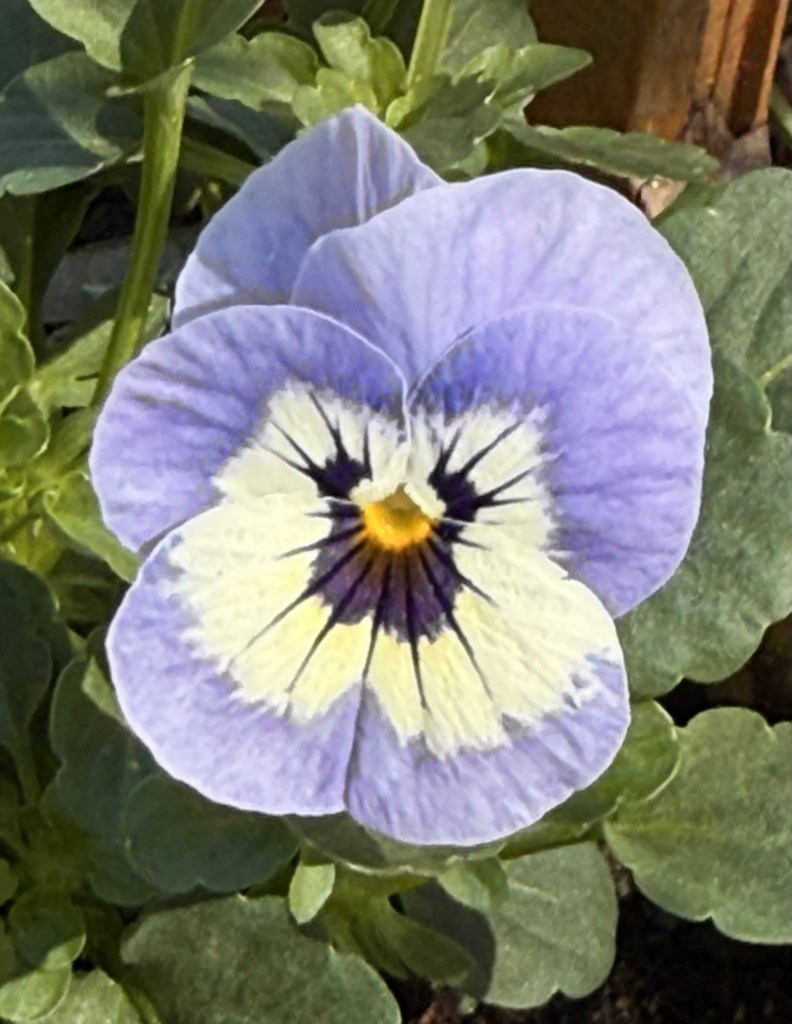
Every spring brings the same quiet but important question: what kind of violets should I choose this year? Violets are often the very first flowers that mark the beginning of the season, and somehow the choice always feels bigger than it should. Small flowers, perhaps, but they carry the whole promise of spring with them.

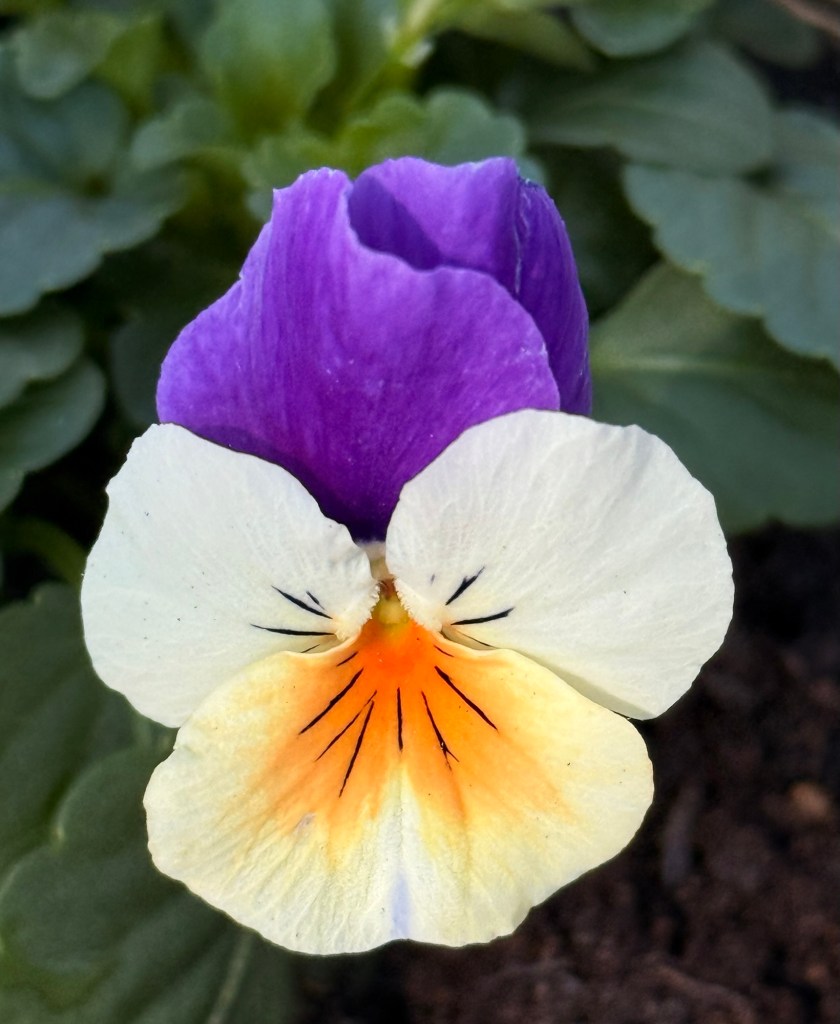
This year, there were so many beautiful options available. The tables were full of familiar faces – deep purples, soft yellows, delicate pastels – but for reasons I can’t fully explain, it was the bluish tones that drew me in. Cool, calm, and slightly muted, they felt right for this spring. I didn’t notice any truly new colors this time, but that wasn’t disappointing. Sometimes it’s comforting to return to shades you already know and trust.

Violets (viola) are not demanding plants. They settle in easily, tolerate cool days, and just keep flowering. Once planted, they seem content to do their own thing, quietly blooming day after day without asking much in return. That reliability makes them ideal spring flowers, especially after a long winter.

Now they are in place at the summer cottage, brightening up the early season when little else is in bloom. It didn’t take long before they were noticed. Bumblebees were the first visitors, heavy and focused, followed soon by butterflies drifting lightly from flower to flower. Seeing life return so naturally always feels reassuring.

Violets may not shout for attention, but they are always present, always working, always blooming. And once again, they have taken their rightful place as the starting point of spring.

Standard
flower, gardening

Angel

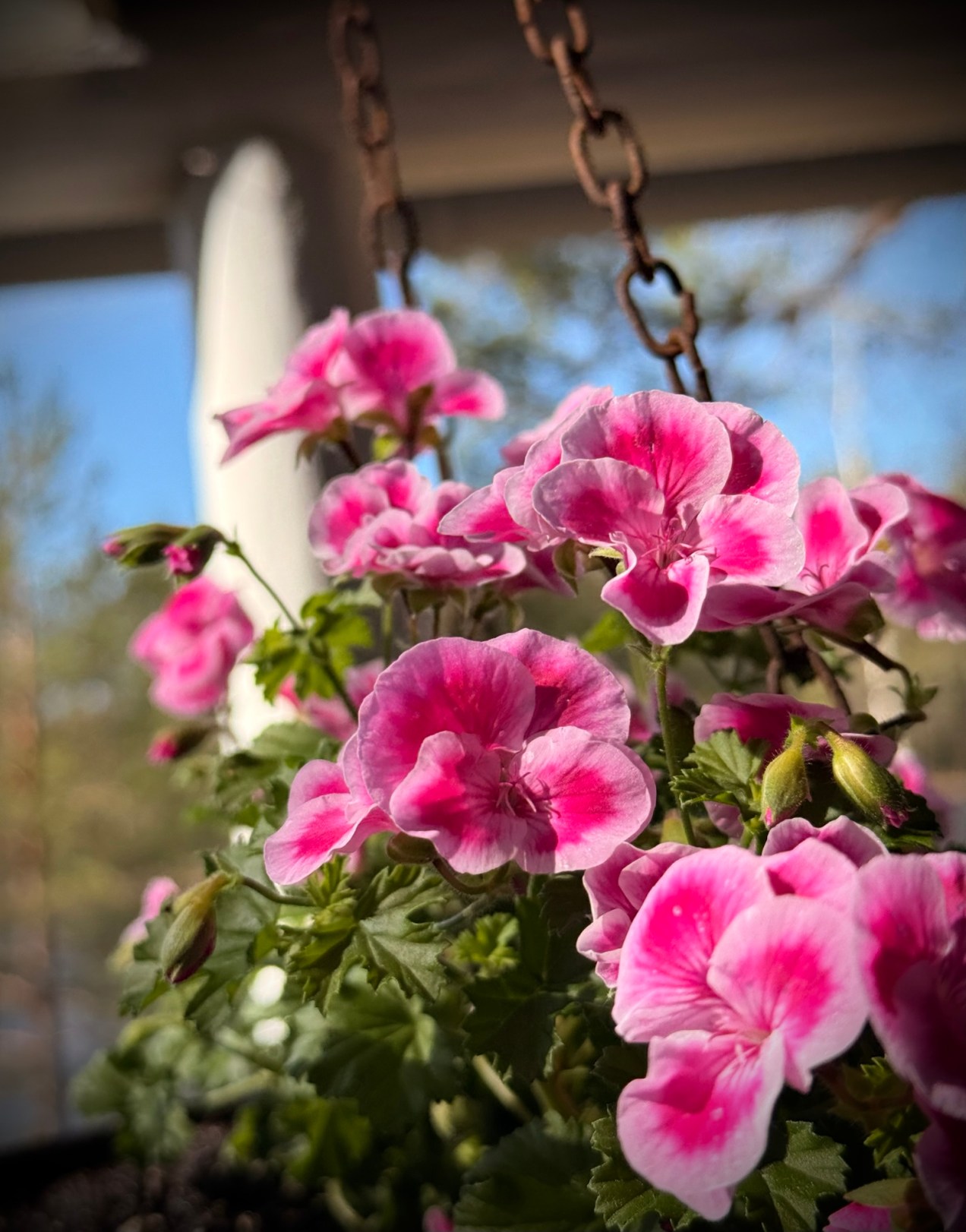
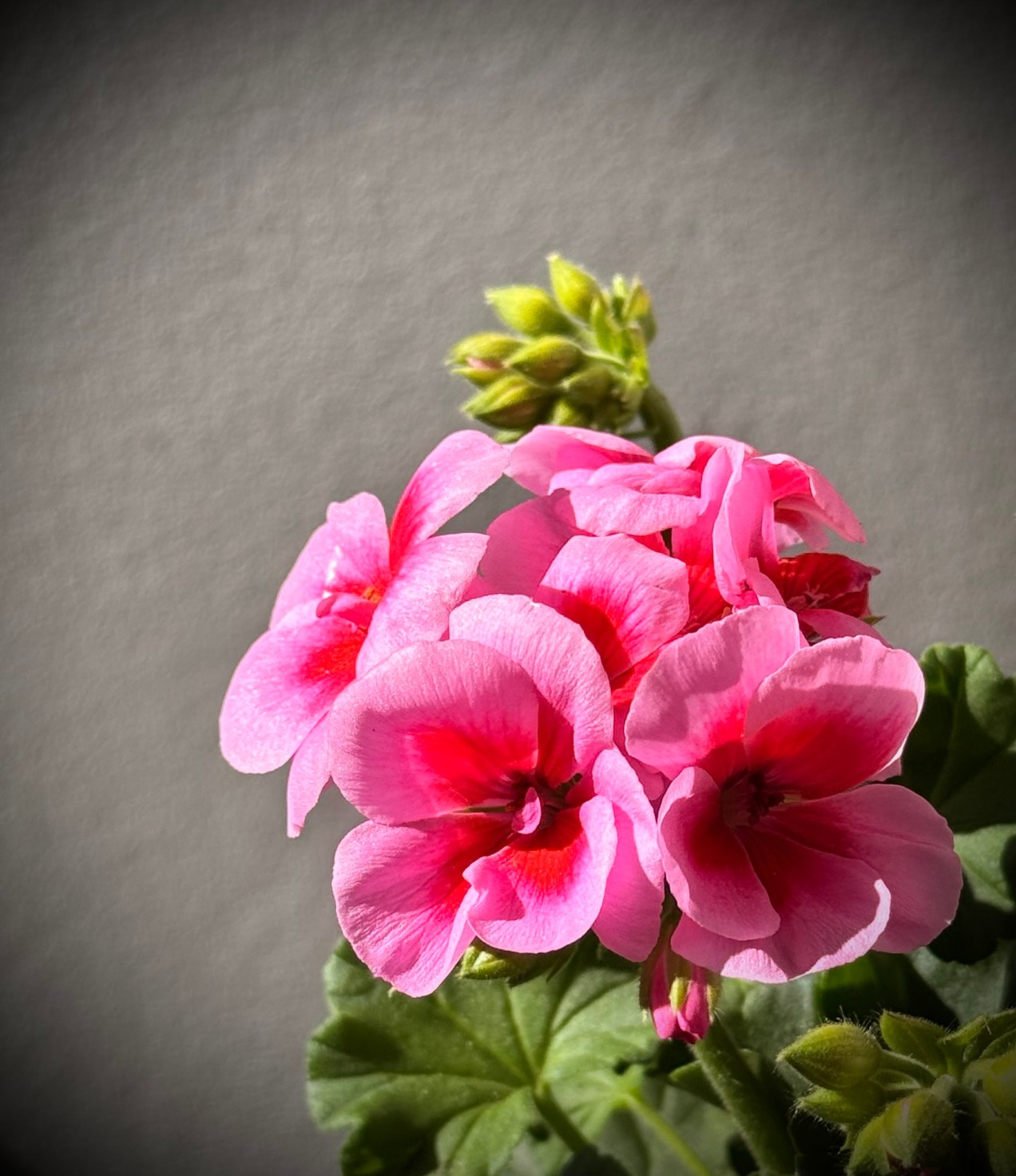
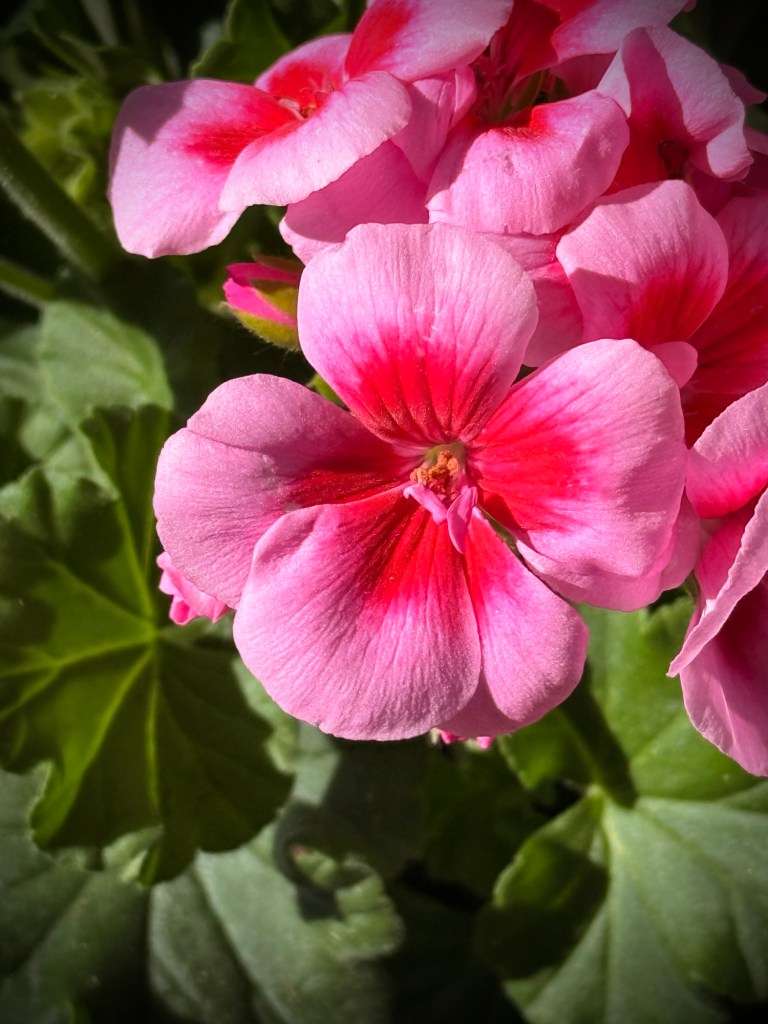
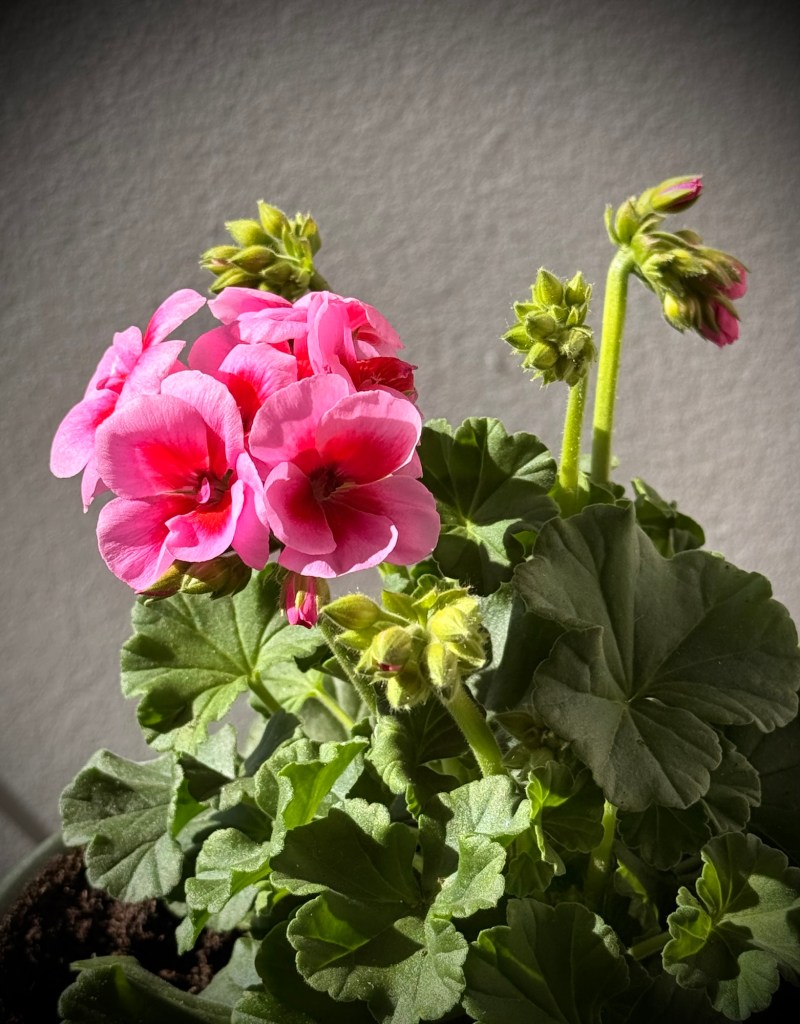
I didn’t plan on buying a geranium that day. I was simply browsing, enjoying a quiet and bright spring moment, when this one stood out. There was something about it that made me stop. That was when I fell in love with Angel. She came home with me without much hesitation.

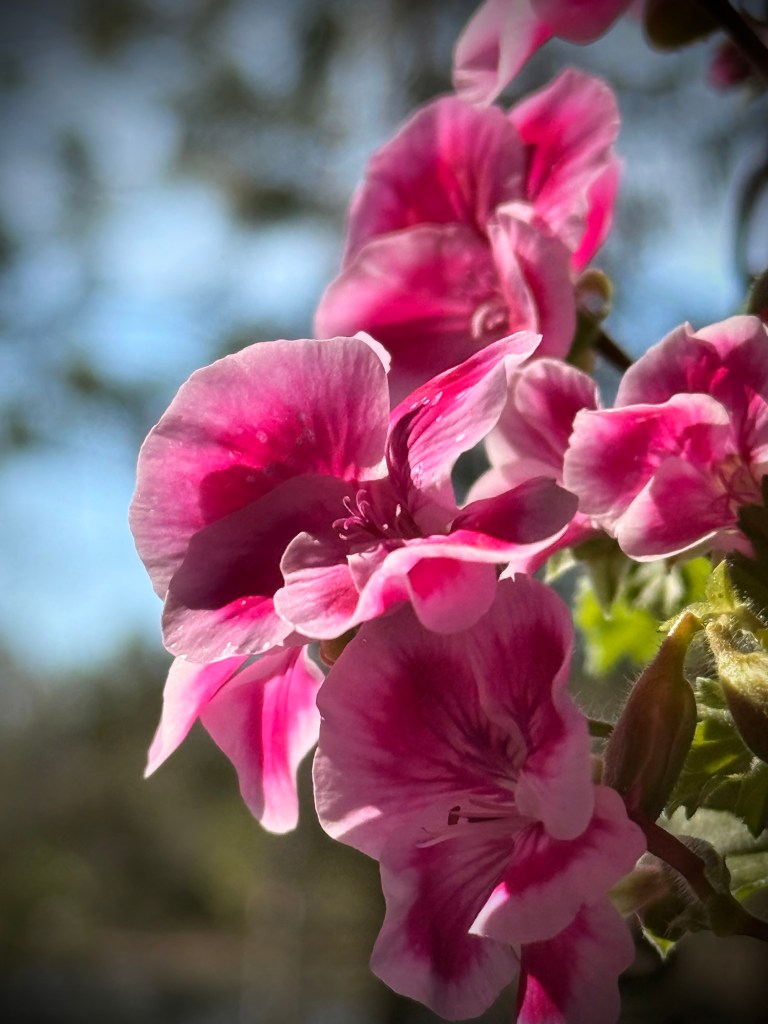
This is my first time growing this type of geranium, which made the choice feel even more special. Angel has a softer look than many traditional pelargoniums, with a compact growth habit and delicate flowers. At the store, she felt calm and well-balanced, not trying to impress but quietly confident. Sometimes that’s all it takes.

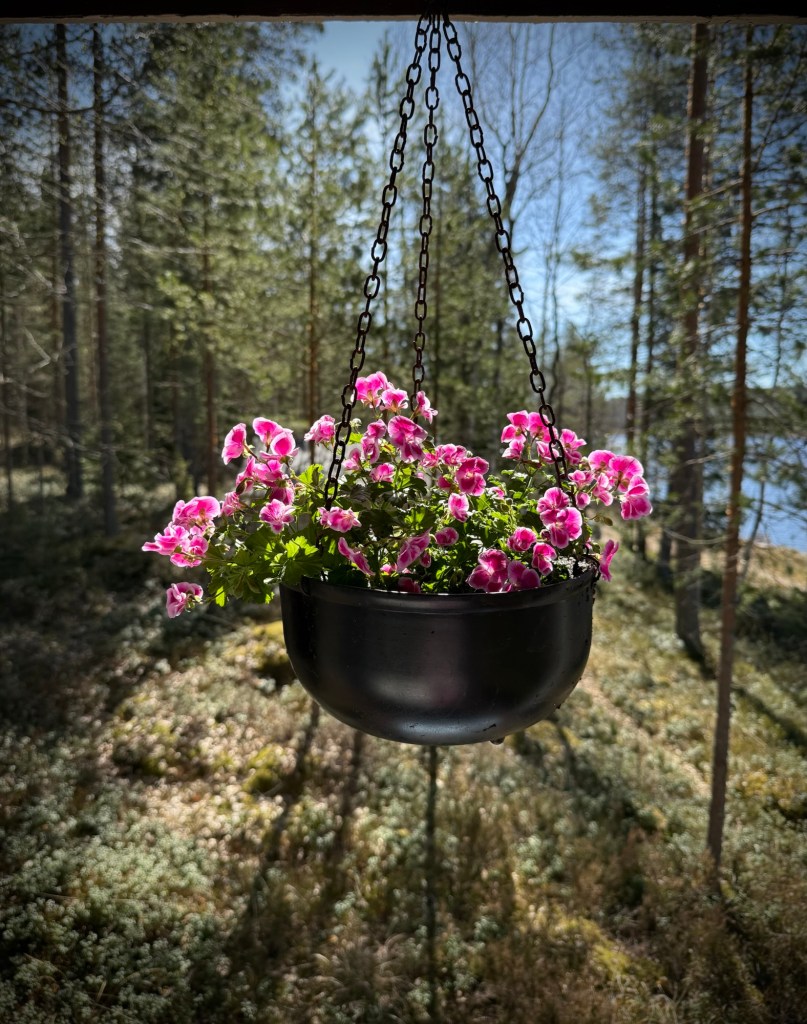
Angel (Geranium ‘Angel’) has now been planted at the summer cottage, where spring arrives slowly and temperatures can still drop unexpectedly. Days may be sunny, but nights often remain cold. Choosing plants for this environment means thinking ahead. From what I understand, this type of geranium is fairly cold-tolerant as long as it’s protected from frost, so Angel should manage just fine in a sheltered spot.

Planting her felt like a true sign that the season has turned, even if the air is still cool. The soil was fresh, the light clear, and the garden just beginning to wake up. Angel was planted into well-draining soil and placed where she can enjoy sunlight without being exposed to strong winds. Sometimes small details make all the difference.

In terms of care, Angel feels refreshingly uncomplicated. Regular watering, good drainage, and gentle feeding during the growing season should be enough to keep her healthy and blooming. She doesn’t ask for much, which suits life at the cottage perfectly.

As spring moves forward, I’m looking forward to seeing how Angel settles in and grows. First-time plants always bring a certain quiet excitement. Angel already feels like she belongs here, and I’m glad I trusted that moment in the store when something simply felt right.

Standard
flower, gardening

Garden Grape Hyacinth

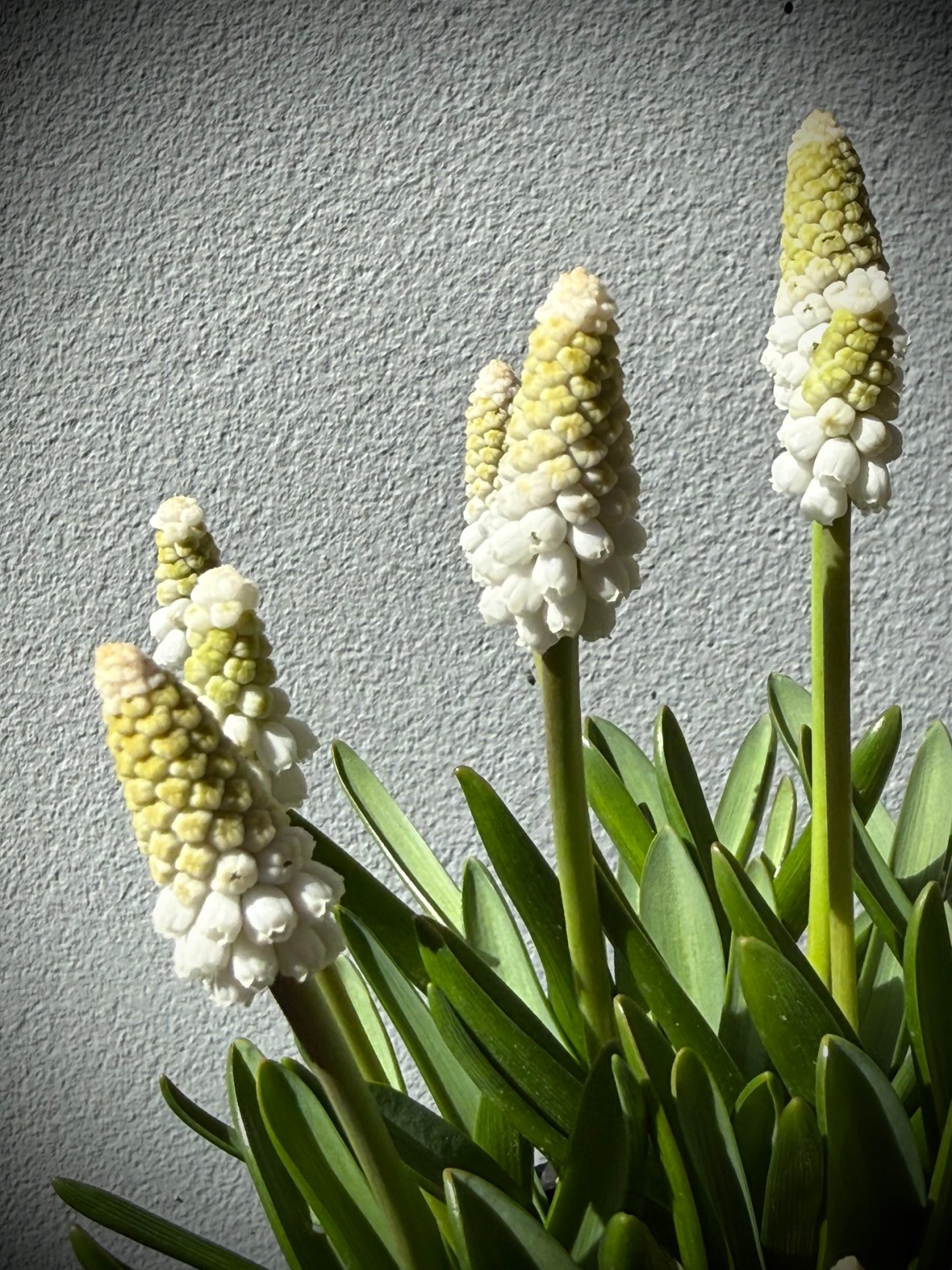
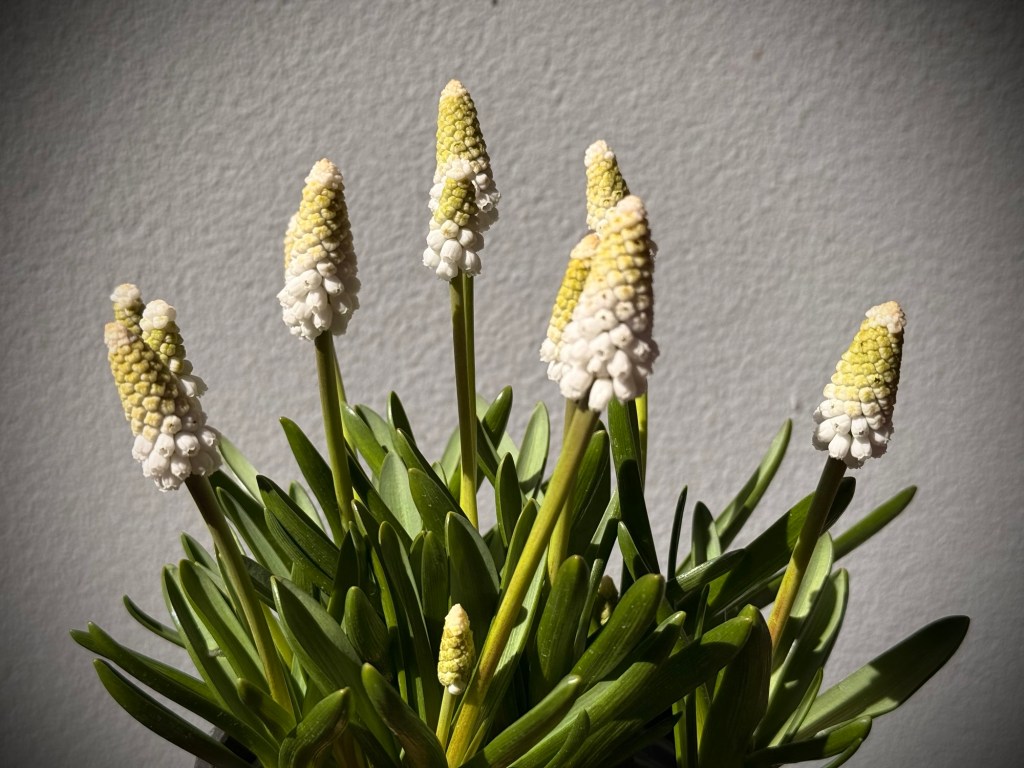
Some plants have a quiet way of returning to our lives, year after year, without ever feeling repetitive. The garden grape hyacinth (Muscari armeniacum) is one of those. Almost every spring, I find myself bringing one home, as if it has become a small but meaningful tradition. Yet another grape hyacinth has joined my spring collection.

What draws me to them is their timing. Grape hyacinths are among the early bloomers, arriving just when the garden is still shaking off winter. There is something comforting about their compact form and upright clusters of tiny bells, standing steady while much of the garden is still waking up. They never rush, yet they’re always right on time.

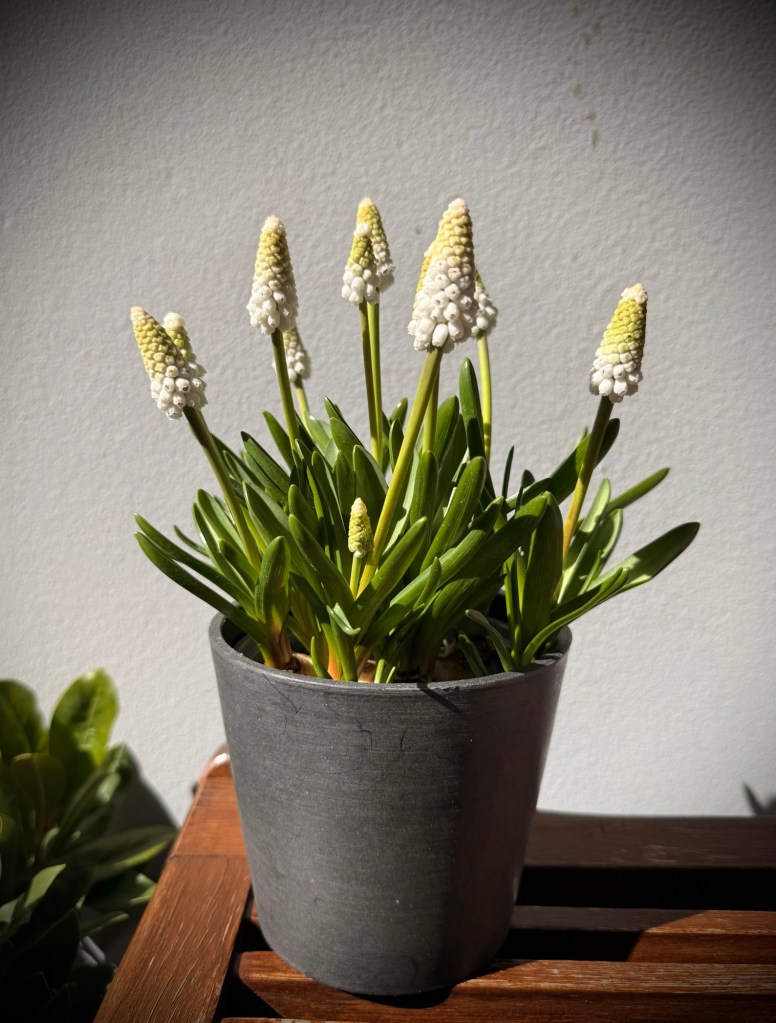
I have two familiar colours: deep blue and soft white. I haven’t come across any other shades for this variety, and honestly, I’m not sure I’m looking for them. The classic blue feels timeless, almost nostalgic, while the white brings a gentle lightness that fits beautifully into early spring. Together, they complement each other quietly, without competing for attention.

For now, these grape hyacinths stay close, settled on the balcony where I can enjoy them every day and watch them change as the season moves forward. After their blooming has passed, they will make their usual journey to the summer cottage. There, they’ll be planted into the garden soil, where they can settle in, return the following spring, and slowly become part of the landscape. I like the idea that each plant carries a small story with it — where it was first enjoyed, before finding its longer home.

Perhaps that’s why I keep buying one each year. Not because I need another, but because each grape hyacinth marks a moment in time. A spring that arrived early or late, a season that felt gentle or rushed. They are simple plants, but a true delight — reliable, modest, and rewarding in their own quiet way.

Standard
flower, gardening

Hilma

Some plants arrive with a sensible plan behind them, others simply follow the heart. Hilma belongs firmly to the second category. She was not cheap, and I knew that perfectly well while standing there, hesitating just a moment longer than usual. But some colours do that to you. The soft layering, the gentle contrast, the way the petals seem to glow even without direct sunshine — resisting felt pointless. Hilma (Geranium ‘Hilma’) came home with me.

Now she sits on the balcony, where the light shifts slowly through the day. In the mornings, the colours feel cooler and calmer; in the long evenings, they deepen and warm up, almost changing character. This is what I love about geraniums like Hilma — they are never static. They respond to light, temperature, and time in a way that keeps you looking twice.

What draws me to these varieties, again and again, is their reliability. They tolerate cold with remarkable grace, making them ideal companions for northern balconies. Even when nights dip lower and the air feels sharp, they hold on. Six months or more outdoors is not unusual here, and that kind of endurance feels almost generous.

This spring has felt especially full of light. The days stretch endlessly, and even ordinary moments seem brighter for it. Hilma has settled into this rhythm quickly, her foliage healthy and steady, her blooms unhurried but confident. There is no rush — just consistency, day after day.

Sometimes I think that is why I didn’t mind the price after all. Hilma isn’t a fleeting pleasure. She is presence. She stays, she adapts, and she rewards patience. On a northern balcony, surrounded by wind, light, and long evenings, that feels like exactly the kind of plant worth choosing.

Standard
flower, gardening

Westward

This spring brought a quiet but confident choice: a Narcissus ‘Westward’. It was one of those plants that doesn’t need much introduction. Strong leaves, a well‑balanced shape, and that familiar promise — steady growth and understated beauty later in the season. It felt immediately suited to a northern garden and to the slower rhythm of life at the summer cottage.

For now, the daisy waits. The cottage garden is still between seasons, with soil that needs a little more warmth before planting can begin in earnest. When I next arrive, open the doors and take stock of winter’s retreat, ‘Westward’ will be planted with care and intention. I already have a place in mind, somewhere open and bright, where it can establish itself without crowding and return year after year.

There’s something reassuring about choosing a plant like this. Daisies are known for their resilience and long flowering period, and ‘Westward’ is no exception. It’s not demanding, yet it brings structure and light to the garden once summer settles in. At the cottage, that kind of reliability matters. Between visits, the garden must manage on its own, growing quietly in your absence.

Planting a perennial always feels like a small act of trust. You place it where you believe it will thrive, knowing you won’t witness every stage of its growth. Especially at the summer cottage, gardening stretches across time. When you return, something has changed — leaves fuller, stems stronger, the garden a little further along than you left it.

Standard