flower, gardening

Garden Grape Hyacinth

Some plants have a quiet way of returning to our lives, year after year, without ever feeling repetitive. The garden grape hyacinth (Muscari armeniacum) is one of those. Almost every spring, I find myself bringing one home, as if it has become a small but meaningful tradition. Yet another grape hyacinth has joined my spring collection.

What draws me to them is their timing. Grape hyacinths are among the early bloomers, arriving just when the garden is still shaking off winter. There is something comforting about their compact form and upright clusters of tiny bells, standing steady while much of the garden is still waking up. They never rush, yet they’re always right on time.

I have two familiar colours: deep blue and soft white. I haven’t come across any other shades for this variety, and honestly, I’m not sure I’m looking for them. The classic blue feels timeless, almost nostalgic, while the white brings a gentle lightness that fits beautifully into early spring. Together, they complement each other quietly, without competing for attention.

For now, these grape hyacinths stay close, settled on the balcony where I can enjoy them every day and watch them change as the season moves forward. After their blooming has passed, they will make their usual journey to the summer cottage. There, they’ll be planted into the garden soil, where they can settle in, return the following spring, and slowly become part of the landscape. I like the idea that each plant carries a small story with it — where it was first enjoyed, before finding its longer home.

Perhaps that’s why I keep buying one each year. Not because I need another, but because each grape hyacinth marks a moment in time. A spring that arrived early or late, a season that felt gentle or rushed. They are simple plants, but a true delight — reliable, modest, and rewarding in their own quiet way.

Standard
flower, gardening

Hilma

Some plants arrive with a sensible plan behind them, others simply follow the heart. Hilma belongs firmly to the second category. She was not cheap, and I knew that perfectly well while standing there, hesitating just a moment longer than usual. But some colours do that to you. The soft layering, the gentle contrast, the way the petals seem to glow even without direct sunshine — resisting felt pointless. Hilma (Geranium ‘Hilma’) came home with me.

Now she sits on the balcony, where the light shifts slowly through the day. In the mornings, the colours feel cooler and calmer; in the long evenings, they deepen and warm up, almost changing character. This is what I love about geraniums like Hilma — they are never static. They respond to light, temperature, and time in a way that keeps you looking twice.

What draws me to these varieties, again and again, is their reliability. They tolerate cold with remarkable grace, making them ideal companions for northern balconies. Even when nights dip lower and the air feels sharp, they hold on. Six months or more outdoors is not unusual here, and that kind of endurance feels almost generous.

This spring has felt especially full of light. The days stretch endlessly, and even ordinary moments seem brighter for it. Hilma has settled into this rhythm quickly, her foliage healthy and steady, her blooms unhurried but confident. There is no rush — just consistency, day after day.

Sometimes I think that is why I didn’t mind the price after all. Hilma isn’t a fleeting pleasure. She is presence. She stays, she adapts, and she rewards patience. On a northern balcony, surrounded by wind, light, and long evenings, that feels like exactly the kind of plant worth choosing.

Standard
flower, gardening

Westward

This spring brought a quiet but confident choice: a Narcissus ‘Westward’. It was one of those plants that doesn’t need much introduction. Strong leaves, a well‑balanced shape, and that familiar promise — steady growth and understated beauty later in the season. It felt immediately suited to a northern garden and to the slower rhythm of life at the summer cottage.

For now, the daisy waits. The cottage garden is still between seasons, with soil that needs a little more warmth before planting can begin in earnest. When I next arrive, open the doors and take stock of winter’s retreat, ‘Westward’ will be planted with care and intention. I already have a place in mind, somewhere open and bright, where it can establish itself without crowding and return year after year.

There’s something reassuring about choosing a plant like this. Daisies are known for their resilience and long flowering period, and ‘Westward’ is no exception. It’s not demanding, yet it brings structure and light to the garden once summer settles in. At the cottage, that kind of reliability matters. Between visits, the garden must manage on its own, growing quietly in your absence.

Planting a perennial always feels like a small act of trust. You place it where you believe it will thrive, knowing you won’t witness every stage of its growth. Especially at the summer cottage, gardening stretches across time. When you return, something has changed — leaves fuller, stems stronger, the garden a little further along than you left it.

Standard
flower, gardening

Pansy

There is a very specific kind of springtime struggle that no one warns you about. It happens quietly, usually in a garden center, while standing in front of a sea of pansies. Purple? Yellow? White with mysterious dark faces?

Pansies (Viola) are, without question, some of the brightest and most optimistic flowers of the season. After months of grey skies and reluctant sunshine, they arrive like tiny, colorful announcements: spring is not just coming — it’s already here. They are cheerful almost to the point of being smug, smiling up from their pots as if to say, “You survived winter.”

Choosing between their colors, however, is no easy task. Each one seems more convincing than the last. Soft pastels promise calm and elegance, while bold purples and sunny yellows demand attention. Mixing them sounds sensible — until you realize you want all of them.

For my balcony, pansies are the perfect companions. They don’t ask for much, yet they give generously in return. They catch the light in the morning, lift the mood in the afternoon, and quietly remind me every day that the season has turned. Even the simplest cup of coffee tastes better when shared with flowers that look this happy to be alive.

And of course, no spring purchase feels complete without setting some aside for the summer cottage. There’s something deeply satisfying about planting pansies there — a promise made in advance. They’ll be waiting, bright and familiar, when weekends grow longer and evenings move outdoors.

Every year, pansies mark the beginning. Of color. Of choice. Of lighter days and dirt under fingernails. They may be small, but their effect is immediate and joyful.

Standard
flower, gardening

Lucky Number

Early spring arrived with surprising speed this year. The snow did not linger or argue its place; it simply disappeared, retreating in the space of a few warm days. What is usually a gradual transition felt almost abrupt, as if winter had quietly stepped aside without saying goodbye.

The lake told the story most clearly. The ice broke and left nearly a month earlier than usual, opening dark water to the sky while the shoreline was still pale and undecided. Morning light reflected off the surface instead of snow, changing the feel of the entire landscape at once. Spring seemed suddenly present—no longer a promise, but a fact.

There had been no rain. The ground held on to what little moisture winter had left behind, dry on top, cool beneath. The sun did the work instead, warming walls, paths, and the south‑facing corners of the garden. Birds returned early and confidently, as if they had already checked the calendar.

This year, a new daffodil joined the story. Picked up from a garden store almost on a whim, it waits now for its place at the summer cottage Lucky Number (Narcissus ‘Lucky Number’).

Elsewhere, life advanced cautiously. Shoots emerged without haste, trusting the light more than the soil. Early spring in the north does not always unfold slowly. Sometimes it moves ahead of itself, asking you to keep up, to notice how a season can change all at once—and still feel fragile.

Standard
flower, gardening

Ice Wings

It has been a great year for Ice Wings (Narcissus ‘Ice Wings’). They have been the most successful variety of daffodils by far. Blooming everywhere beautifully.

Usually the daffodil season is over by June but this year the spring has been cool and the late varieties are just starting they show.

Spending the week here in the summer cottage has been just what I needed. Did not realize how exhausted I have been.

Buried my father on Tuesday. Miss him so much. He was the kindest person I have ever known. But that is how life goes. Our time here has its limits and goes surprisingly quickly.

Standard
flower, gardening

Tahiti

It has been a while since I have written anything to this blog. Simply been too busy with work to find time for writing.

Up here in the north it has been cool and long spring. Daffodils are still blooming and we are still waiting for the summer to arrive.

Now enjoying a week off from work and spending it in the summer cottage and wondering what to do with the garden that has been unattended for way too long.

At least I am going to plant the Tahiti (Narcissus ‘Tahiti’) which was a gift from a friend. Such a beautiful daffodil.

Standard
flower, gardening

Carlton

The spring is slowly making its way to north. We had a beautiful and warm spring day followed by a rainy day, and then came the snowstorm. 

Eastern brought daffodils to the stores and I ended up buying Carlton (Narcissus ‘Carlton’) which is now starting to bloom beautifully.

Still few weeks to go before I am able to go to the summer cottage. Waiting for it impatiently. It has been a long time. The last time I have been there was in August.

Standard
flower, gardening

Chandelier

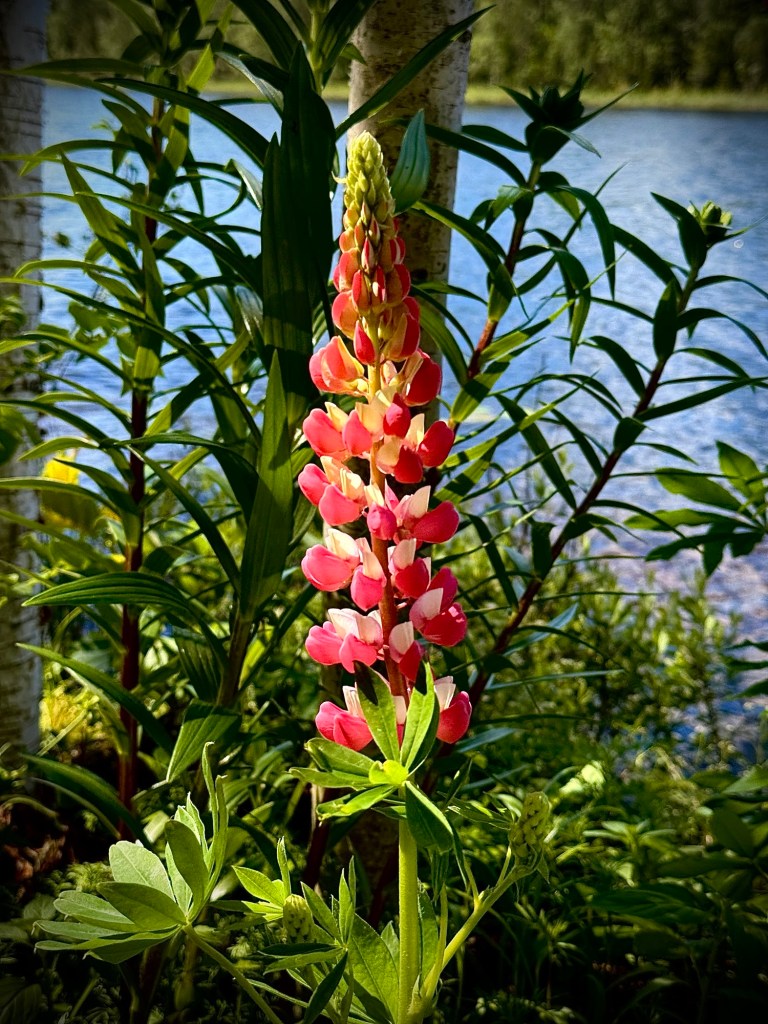
The midsummer is close and the nature is at its best. The weather has been beautiful up here in the north, sunny and warm.

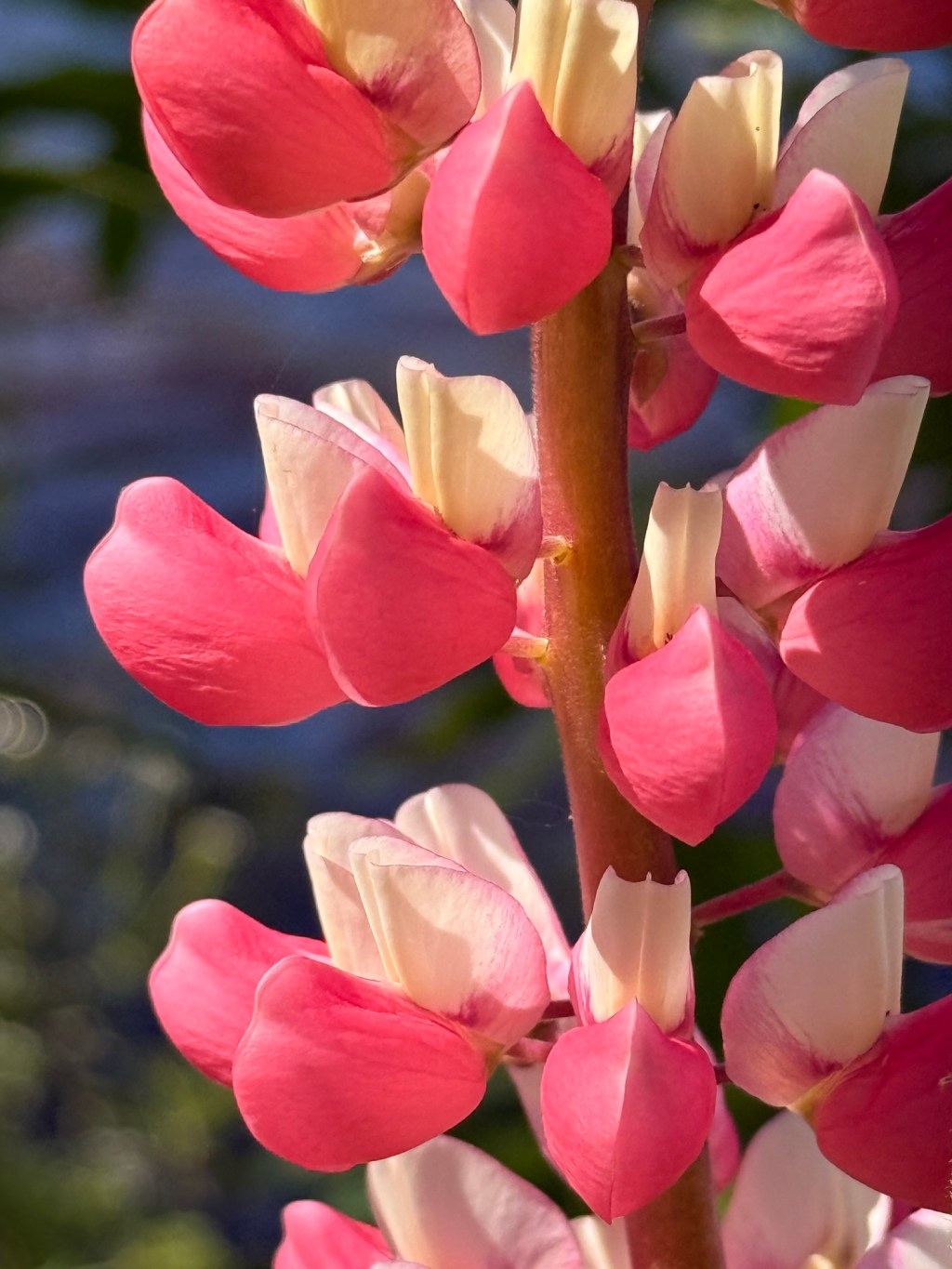
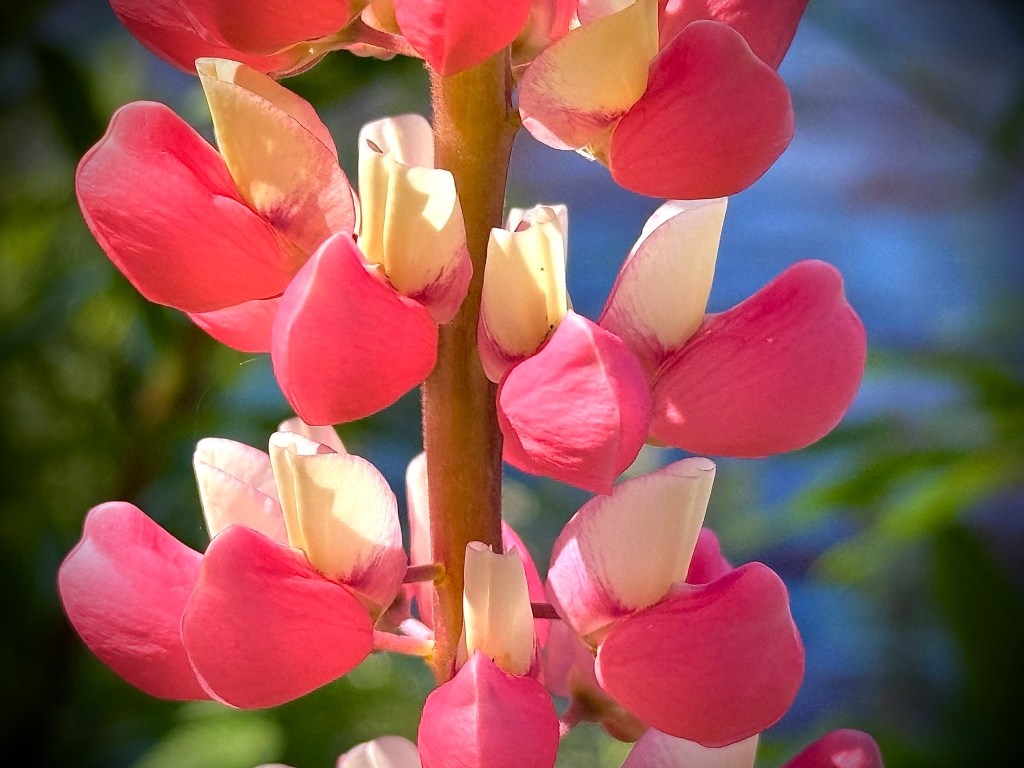
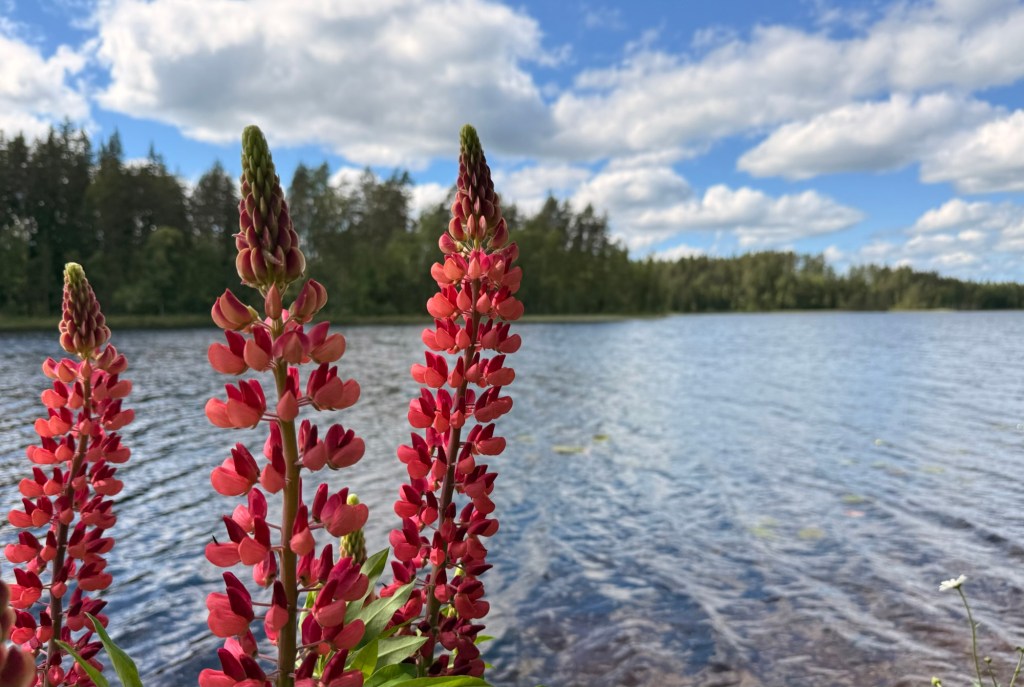
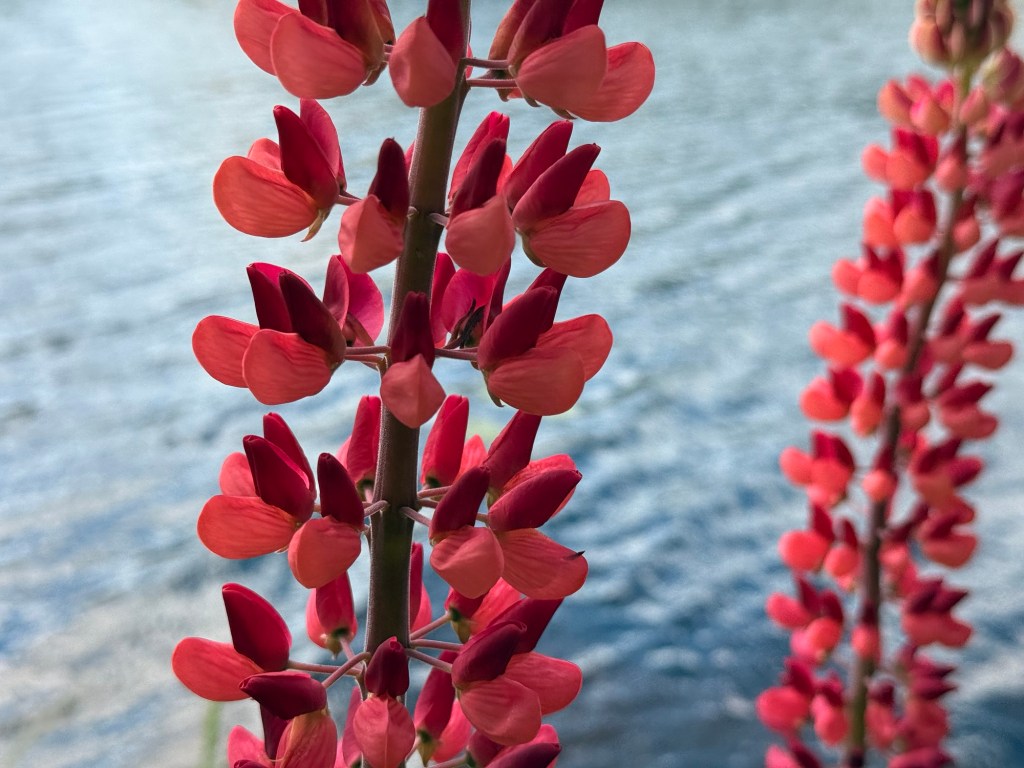
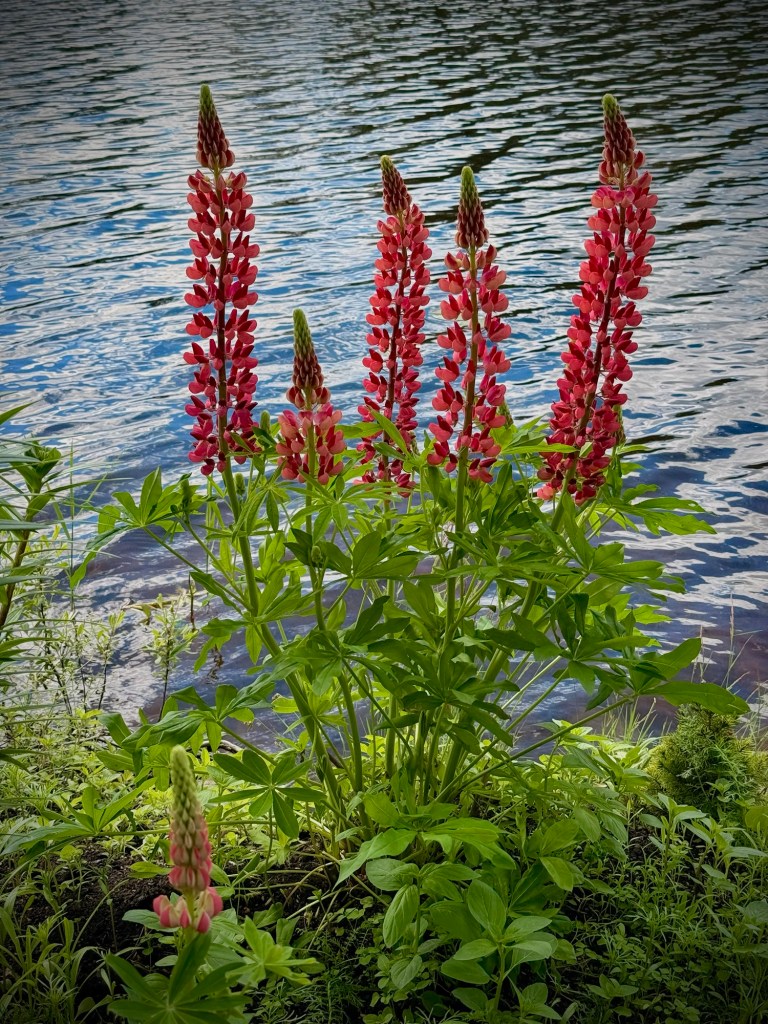
The reliable Chandelier (Lupinus ‘Chandelier’) has started to bloom. It has turned out that it is very suitable for this climate and has found a permanent spot in the flowerbed.

This year I do not have much time to tend the garden and have to rely on the perennials. Sadly ants have managed to find some of the flowerbeds and it has been a dry June, therefore I have few less flowers to enjoy.

Standard
flower, gardening

Helmar

The tulip season is now starting up here in the north. The warm weather has made the early varieties to open up their blooms.

Helmar (Tulipa ‘Helmar’) is one of the early bloomers I bought few years ago and it is still doing well.

I almost wish cooler days so that the blooming season would last longer, almost. But I guess in the end it I will manage to enjoy this warm and sunny weather we are having.

Standard