flower, gardening

Chatelaine

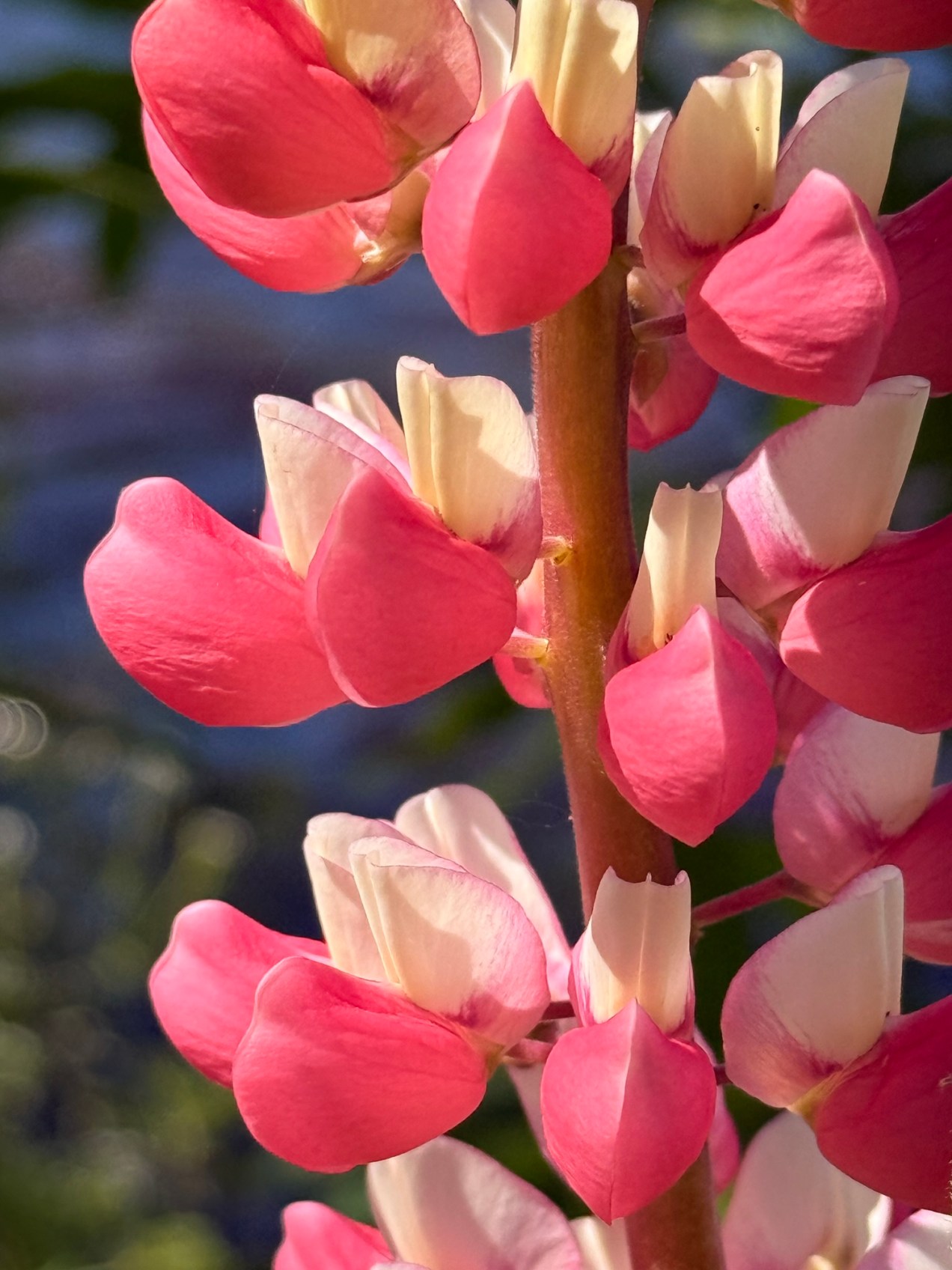
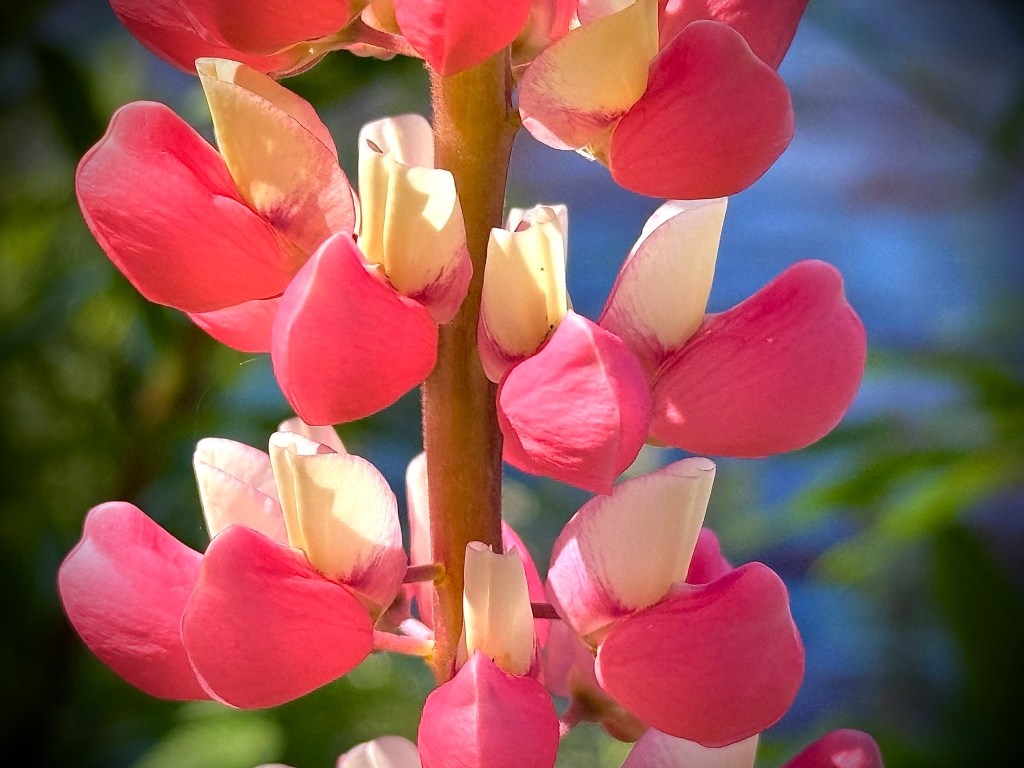
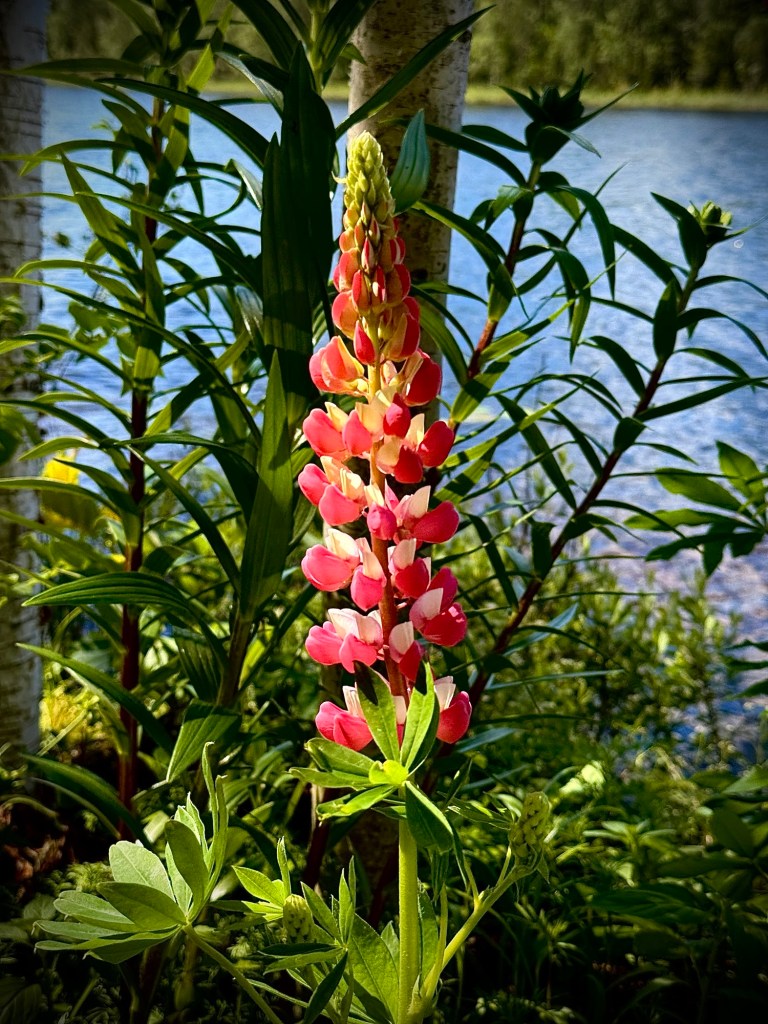
Some flowers attract attention from a distance, while others invite you to come a little closer. Lupinus polyphyllus ‘Chatelaine’, a member of the Russell Lupin group, is one of those flowers. Its tall flower spikes may not always be the largest in the garden, but there is a grace and elegance about them that makes me stop and admire them every summer.


The blooms are a beautiful blend of pink shades, creating a soft display that stands out among the greens of early summer. As the flower spikes sway gently in the breeze, they bring movement and colour to the garden. On warm days they attract bees and other pollinators, and I often find myself watching the activity around them for a few moments longer than I intended.


Over the years I have grown many different flowers, but some become favourites simply because they never disappoint. Chatelaine is one of those plants. It returns faithfully each year and produces its flowers just as the garden is beginning to reach its summer peak. In a northern garden, where the growing season always feels too short, dependable plants become especially valuable.


One of the things I appreciate most about this lupin is how easily it fits into a mixed flower bed. It combines beautifully with many other summer-flowering perennials without competing for attention. Some flowers demand to be the centre of attention, but Chatelaine seems content to complement its neighbours. The result is a natural and balanced display that looks different every year depending on the weather and the surrounding plants.


Every growing season brings its own surprises. One summer may be warm and sunny, another cool and rainy. Yet the garden always finds a way to reward patience. Even familiar plants reveal new details when viewed from season to season. Sometimes it is the abundance of flowers, sometimes the colours appear richer than usual, and sometimes it is simply the pleasure of seeing a favourite perennial emerge once again after a long winter.


At the cottage by the lake, summer days seem to pass at a gentler pace. Morning coffee on the terrace and quiet moments spent looking at the flower beds have become small traditions that I look forward to every year. Chatelaine fits perfectly into those moments. It is not an extravagant flower, but it has a quiet beauty that never fails to catch my eye.


As June turns into July and the garden reaches one of its most colourful periods, I often find myself appreciating plants like Chatelaine the most. They may not be the rarest or most unusual flowers, but they bring reliability, beauty and a sense of continuity to the garden. Year after year they return, bloom and remind me why I enjoy gardening so much.


Lupinus polyphyllus ‘Chatelaine’ is one of those plants whose beauty grows with familiarity. The more summers I spend with it, the more I appreciate its charm. Sometimes the most memorable flowers are not the loudest ones, but those that quietly return and make each summer feel complete.
Standard
bird

Common Gull

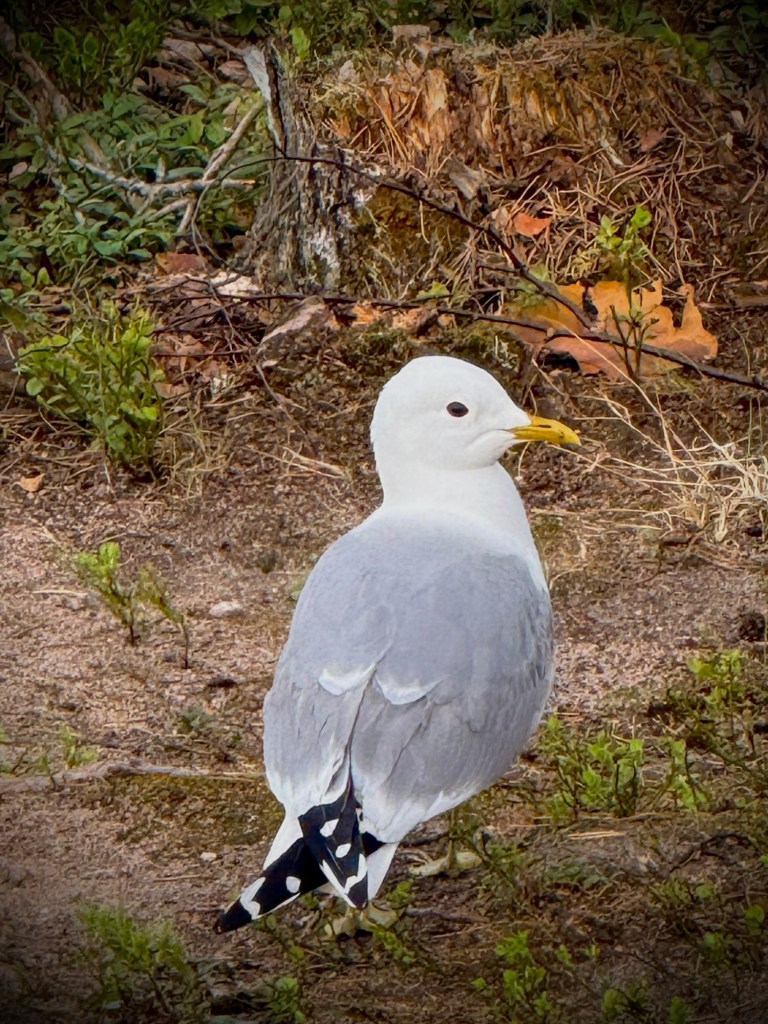
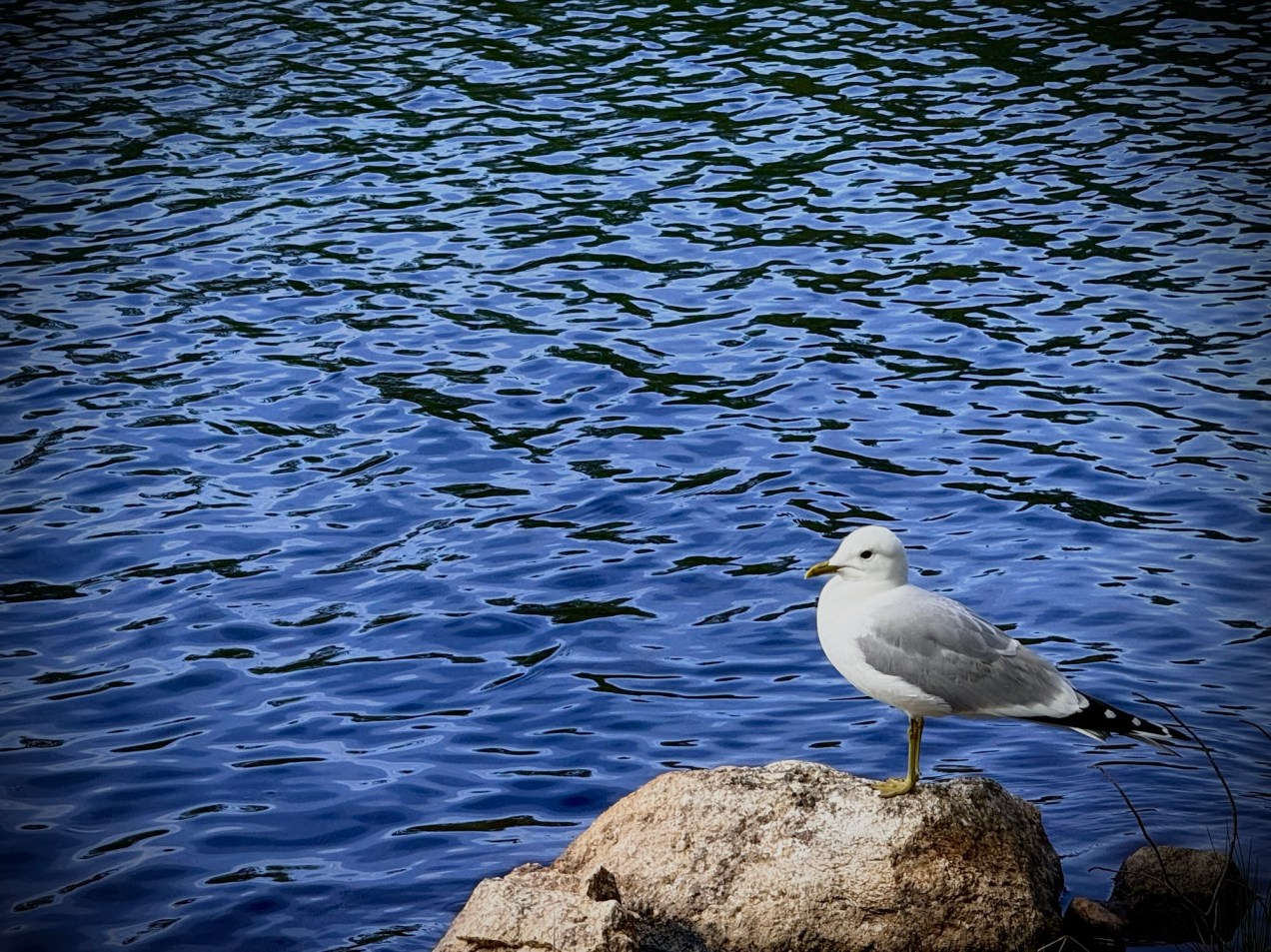
There are certain summer companions that become part of the landscape so quietly that it’s hard to imagine the place without them. Here, by the small lake, the common gull (Larus canus) has long been one of those presences.

The story goes back decades—fifty, perhaps even sixty years—when a pair first arrived. My grandmother welcomed them in her own way, scattering food and watching from the shore. Over time, the birds grew accustomed to her, and what began as a passing visit slowly rooted itself into something more permanent. Today, that single pair has grown into a small, steady community. Each summer, five or six pairs nest around the lake. No more than that—the lake sets its own limits.

Their nest lies about 200 metres from the cottage, close enough that their voices carry clearly across the water. They are not the quietest neighbours. Their calls rise early and linger long into the evening, especially when something disturbs them. Yet the noise has become part of summer, like wind in the trees or the lapping of water against the shore.

In spring, they return with remarkable precision. Common gulls winter much further south and west—many leave Finland entirely, spending the colder months around the North Sea, the British Isles, or coastal parts of western Europe. When the ice releases its grip on the lake, they come back, almost on schedule, reclaiming the same nesting spots year after year. There is something comforting in that rhythm, in knowing they will return as reliably as the seasons themselves.

They are curious birds by nature. The pair that nests closest to the cottage has become particularly familiar. At first cautious, keeping their distance, they have gradually learned that I am no threat. Now they watch as much as they are watched—heads tilted, eyes sharp, always aware. There is a certain intelligence in the way they move and respond, a quiet negotiation of shared space.

Watching them has become a simple, steady pleasure. They drift across the lake in pairs, call to one another, rise suddenly into the air for reasons only they seem to understand. Small moments, repeated through the weeks of summer.

They are part of the place now—not visitors anymore, but something woven into the life of the lake. Noisy, curious, familiar. And somehow, each year, just as welcome as the first warm evening.

The chicks have now hatched 🐣🐥
Standard
gardening, flower

Angel

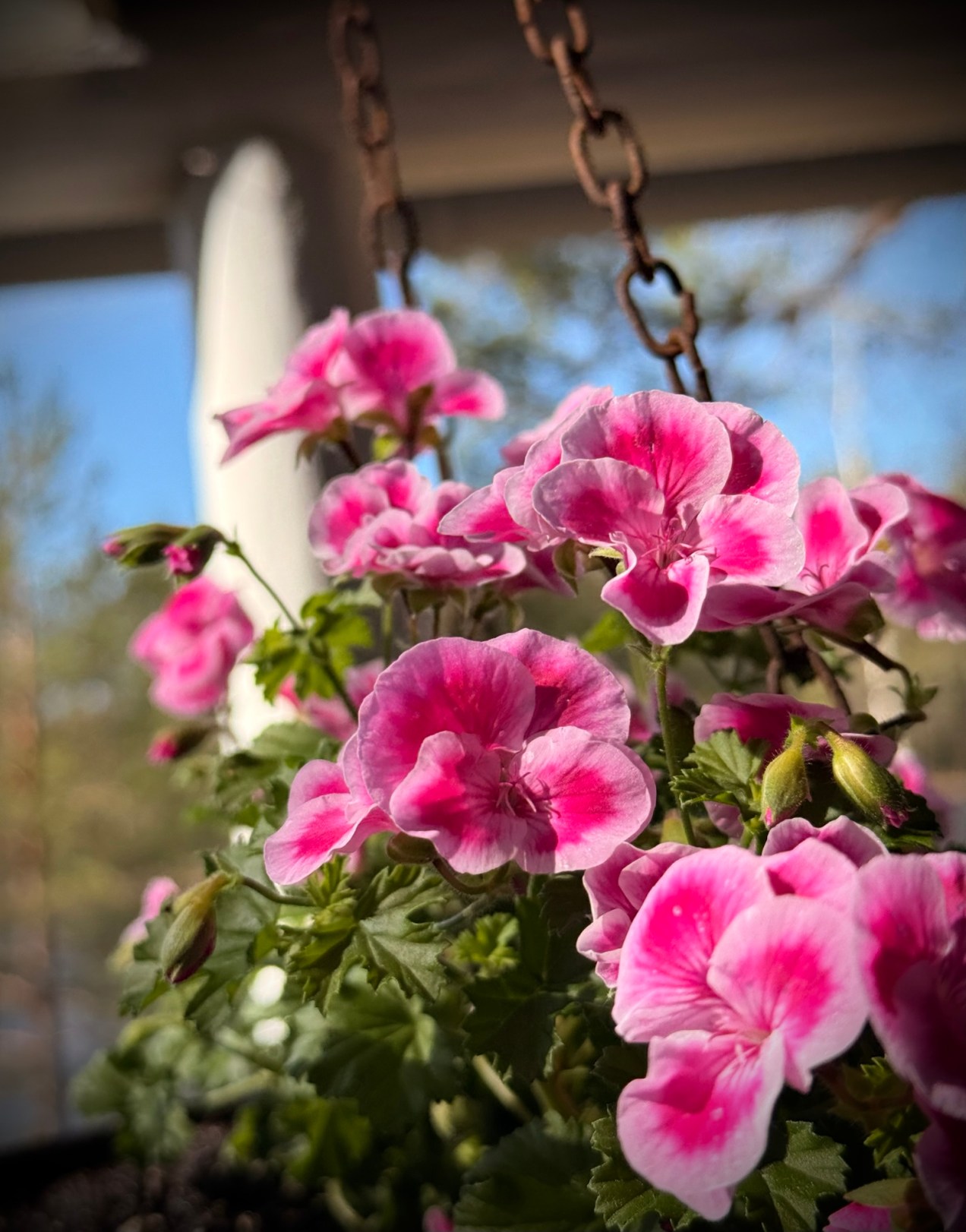
I didn’t plan on buying a geranium that day. I was simply browsing, enjoying a quiet and bright spring moment, when this one stood out. There was something about it that made me stop. That was when I fell in love with Angel. She came home with me without much hesitation.

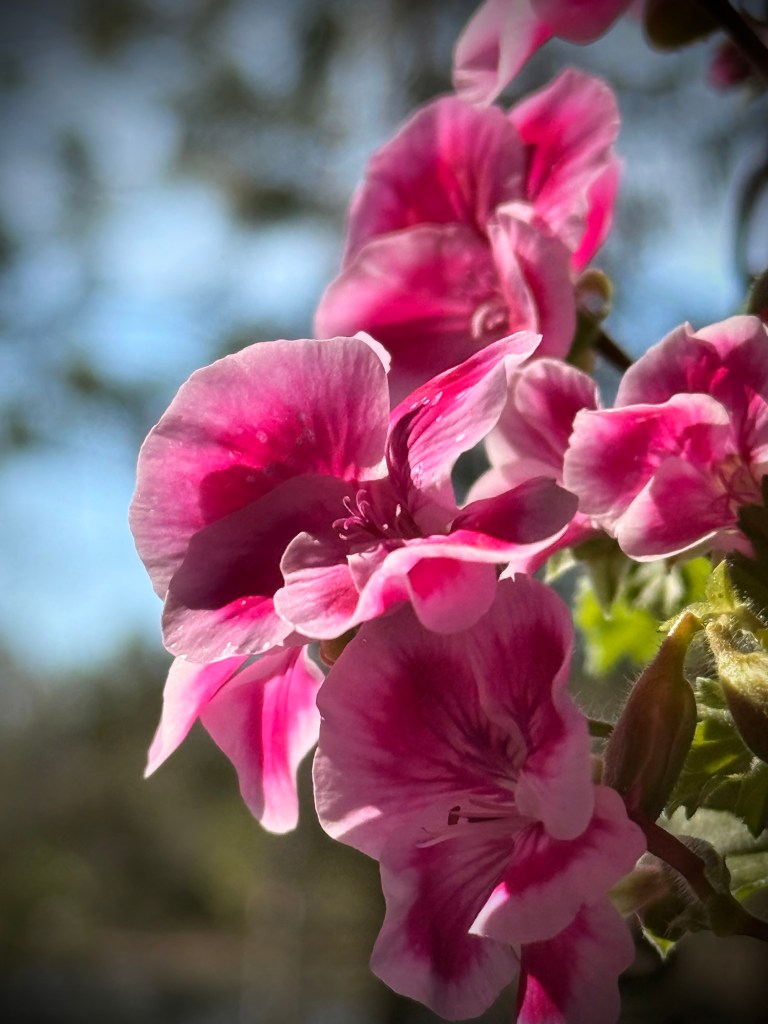
This is my first time growing this type of geranium, which made the choice feel even more special. Angel has a softer look than many traditional pelargoniums, with a compact growth habit and delicate flowers. At the store, she felt calm and well-balanced, not trying to impress but quietly confident. Sometimes that’s all it takes.

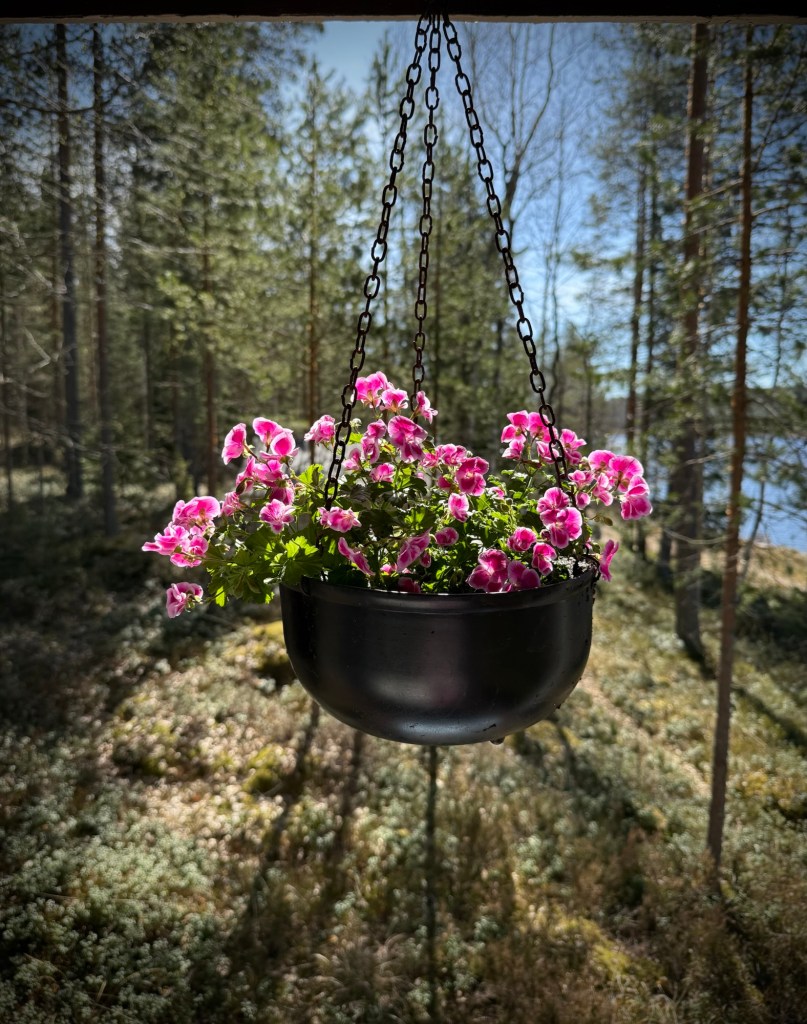
Angel (Geranium ‘Angel’) has now been planted at the summer cottage, where spring arrives slowly and temperatures can still drop unexpectedly. Days may be sunny, but nights often remain cold. Choosing plants for this environment means thinking ahead. From what I understand, this type of geranium is fairly cold-tolerant as long as it’s protected from frost, so Angel should manage just fine in a sheltered spot.

Planting her felt like a true sign that the season has turned, even if the air is still cool. The soil was fresh, the light clear, and the garden just beginning to wake up. Angel was planted into well-draining soil and placed where she can enjoy sunlight without being exposed to strong winds. Sometimes small details make all the difference.

In terms of care, Angel feels refreshingly uncomplicated. Regular watering, good drainage, and gentle feeding during the growing season should be enough to keep her healthy and blooming. She doesn’t ask for much, which suits life at the cottage perfectly.

As spring moves forward, I’m looking forward to seeing how Angel settles in and grows. First-time plants always bring a certain quiet excitement. Angel already feels like she belongs here, and I’m glad I trusted that moment in the store when something simply felt right.

Standard
flower, gardening

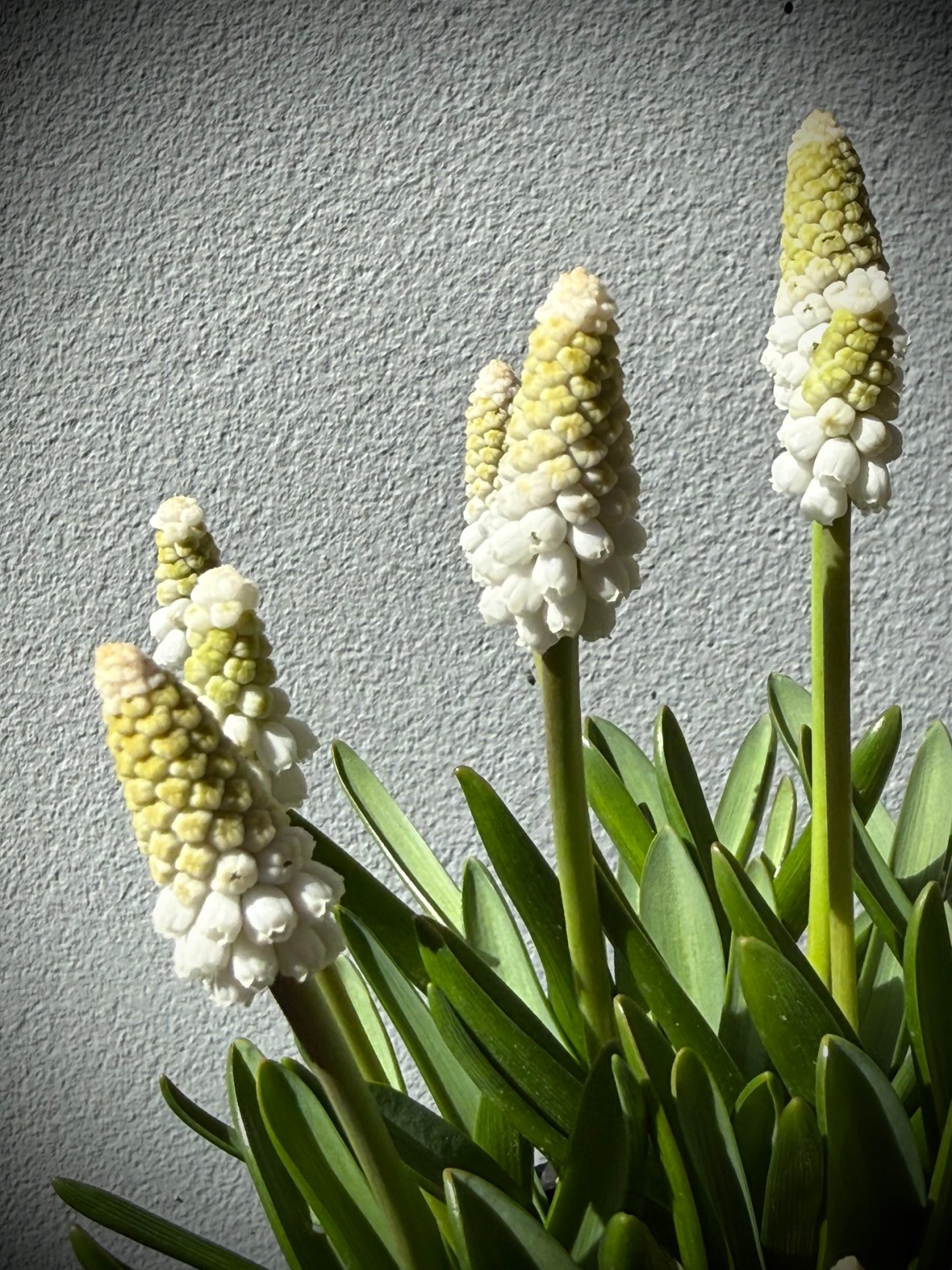
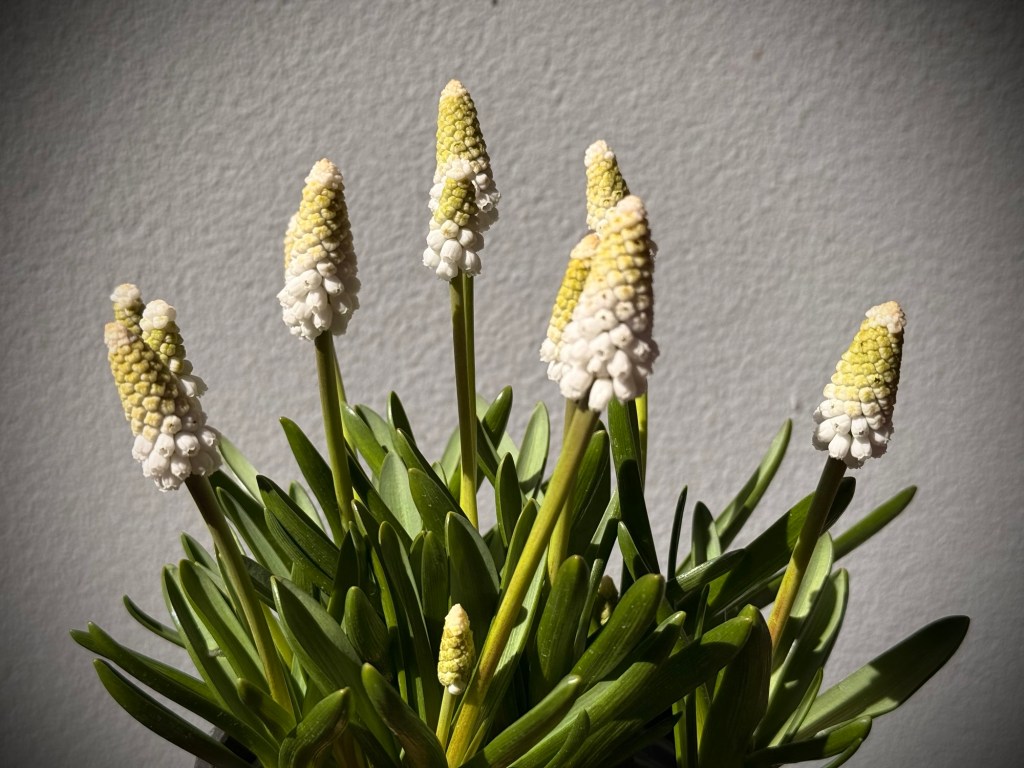
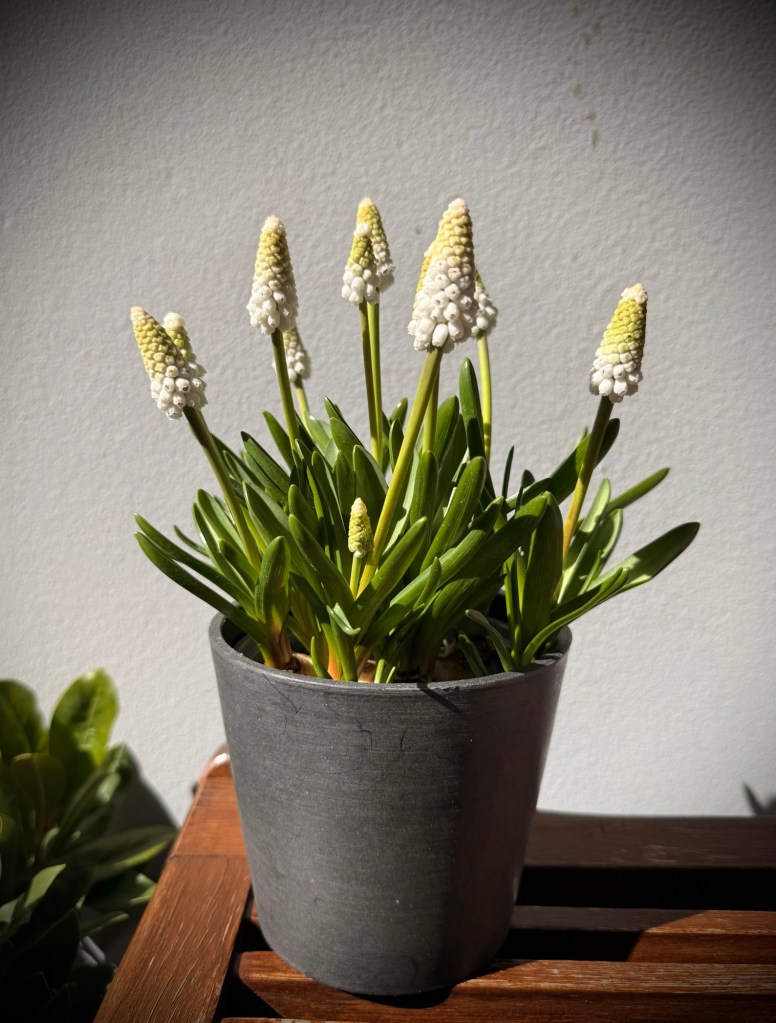
Garden Grape Hyacinth

Some plants have a quiet way of returning to our lives, year after year, without ever feeling repetitive. The garden grape hyacinth (Muscari armeniacum) is one of those. Almost every spring, I find myself bringing one home, as if it has become a small but meaningful tradition. Yet another grape hyacinth has joined my spring collection.

What draws me to them is their timing. Grape hyacinths are among the early bloomers, arriving just when the garden is still shaking off winter. There is something comforting about their compact form and upright clusters of tiny bells, standing steady while much of the garden is still waking up. They never rush, yet they’re always right on time.

I have two familiar colours: deep blue and soft white. I haven’t come across any other shades for this variety, and honestly, I’m not sure I’m looking for them. The classic blue feels timeless, almost nostalgic, while the white brings a gentle lightness that fits beautifully into early spring. Together, they complement each other quietly, without competing for attention.

For now, these grape hyacinths stay close, settled on the balcony where I can enjoy them every day and watch them change as the season moves forward. After their blooming has passed, they will make their usual journey to the summer cottage. There, they’ll be planted into the garden soil, where they can settle in, return the following spring, and slowly become part of the landscape. I like the idea that each plant carries a small story with it — where it was first enjoyed, before finding its longer home.

Perhaps that’s why I keep buying one each year. Not because I need another, but because each grape hyacinth marks a moment in time. A spring that arrived early or late, a season that felt gentle or rushed. They are simple plants, but a true delight — reliable, modest, and rewarding in their own quiet way.

Standard
flower, gardening

Westward

This spring brought a quiet but confident choice: a Narcissus ‘Westward’. It was one of those plants that doesn’t need much introduction. Strong leaves, a well‑balanced shape, and that familiar promise — steady growth and understated beauty later in the season. It felt immediately suited to a northern garden and to the slower rhythm of life at the summer cottage.

For now, the daisy waits. The cottage garden is still between seasons, with soil that needs a little more warmth before planting can begin in earnest. When I next arrive, open the doors and take stock of winter’s retreat, ‘Westward’ will be planted with care and intention. I already have a place in mind, somewhere open and bright, where it can establish itself without crowding and return year after year.

There’s something reassuring about choosing a plant like this. Daisies are known for their resilience and long flowering period, and ‘Westward’ is no exception. It’s not demanding, yet it brings structure and light to the garden once summer settles in. At the cottage, that kind of reliability matters. Between visits, the garden must manage on its own, growing quietly in your absence.

Planting a perennial always feels like a small act of trust. You place it where you believe it will thrive, knowing you won’t witness every stage of its growth. Especially at the summer cottage, gardening stretches across time. When you return, something has changed — leaves fuller, stems stronger, the garden a little further along than you left it.

Standard
flower, gardening

Ice Wings

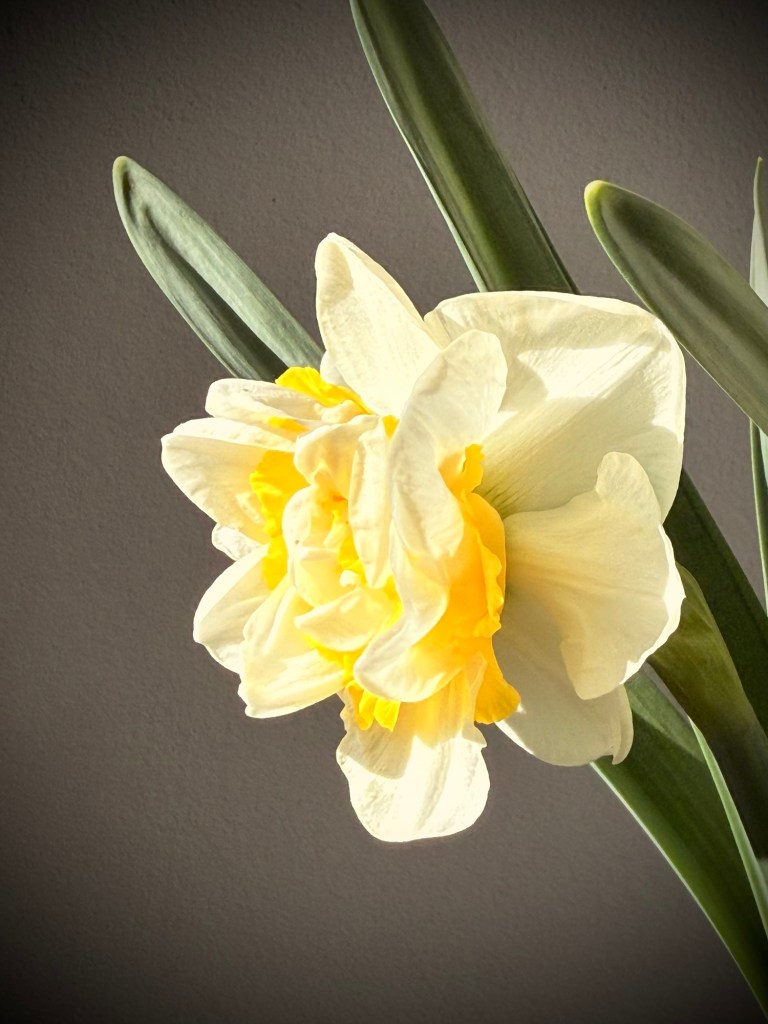
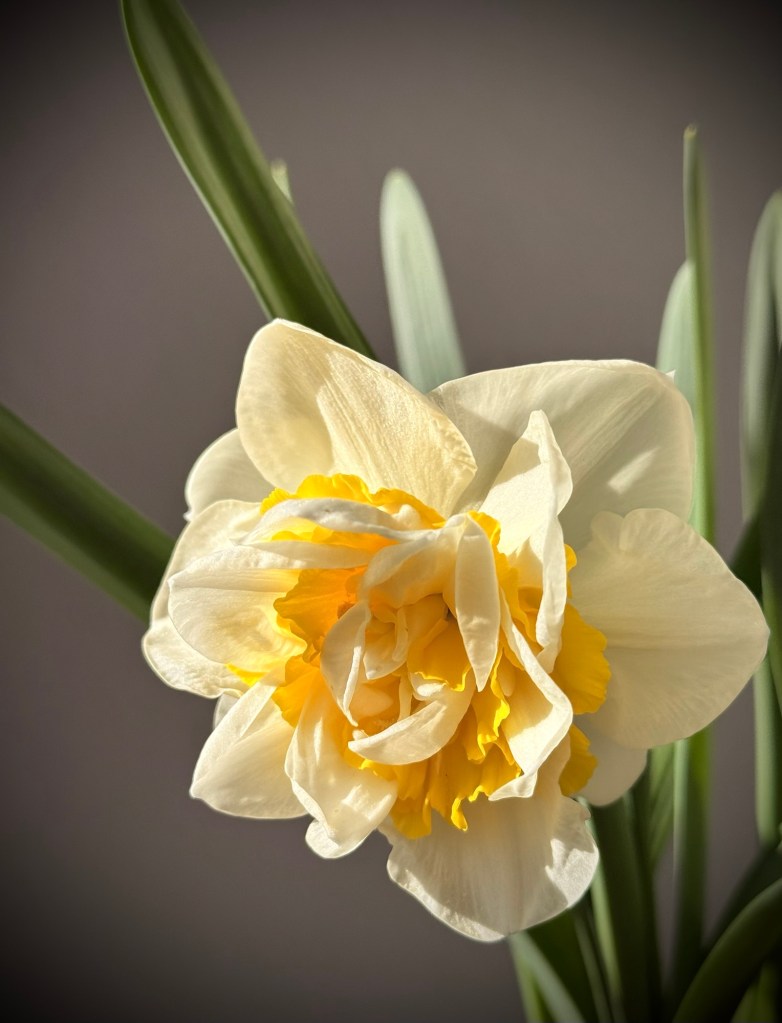
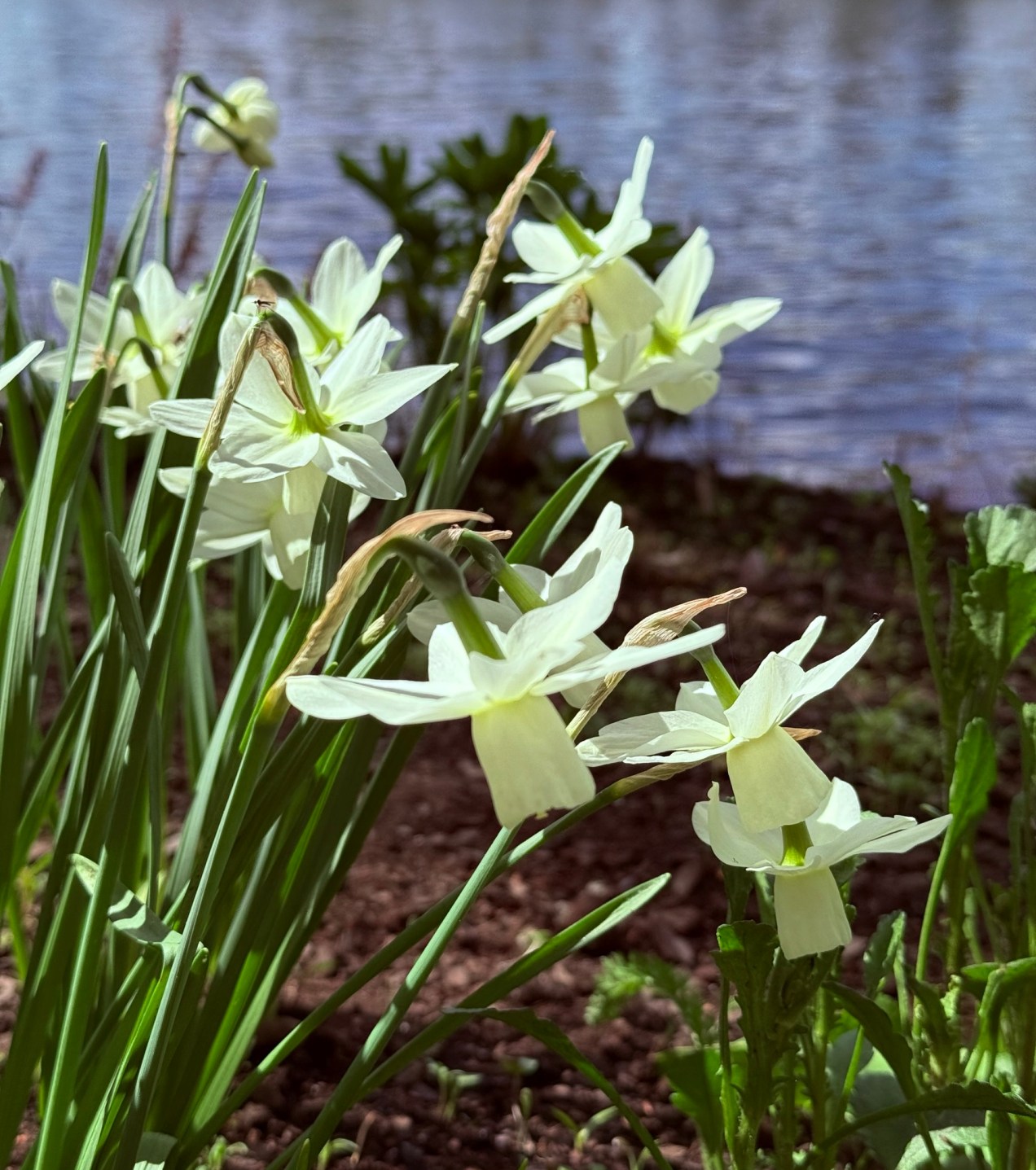
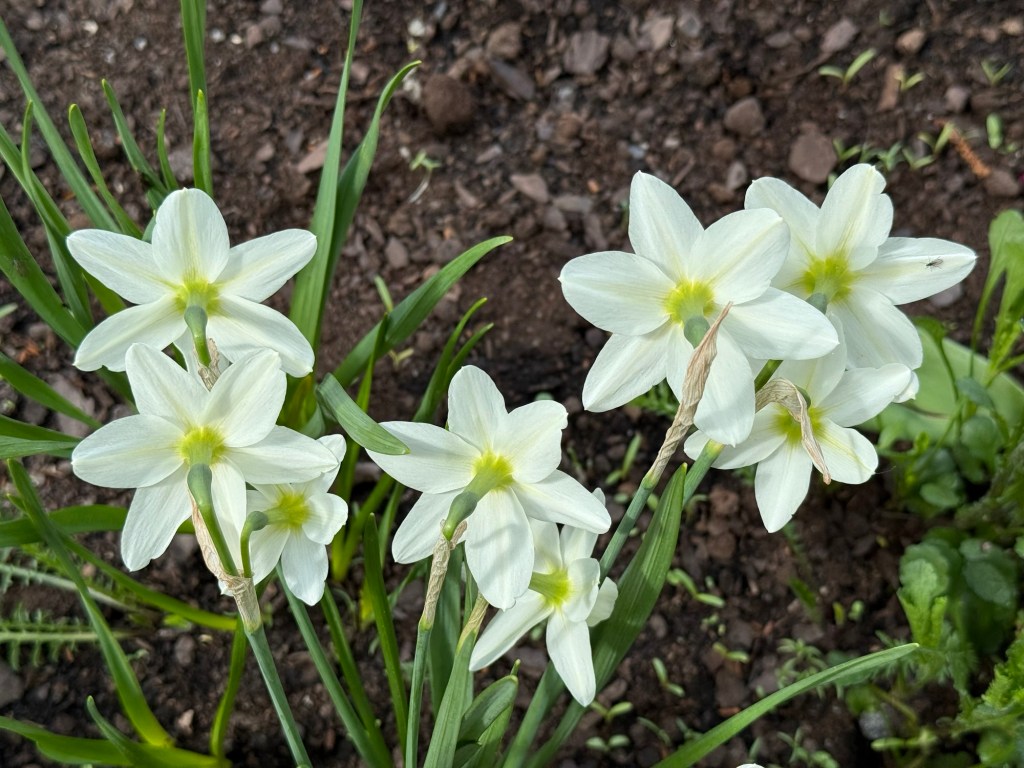
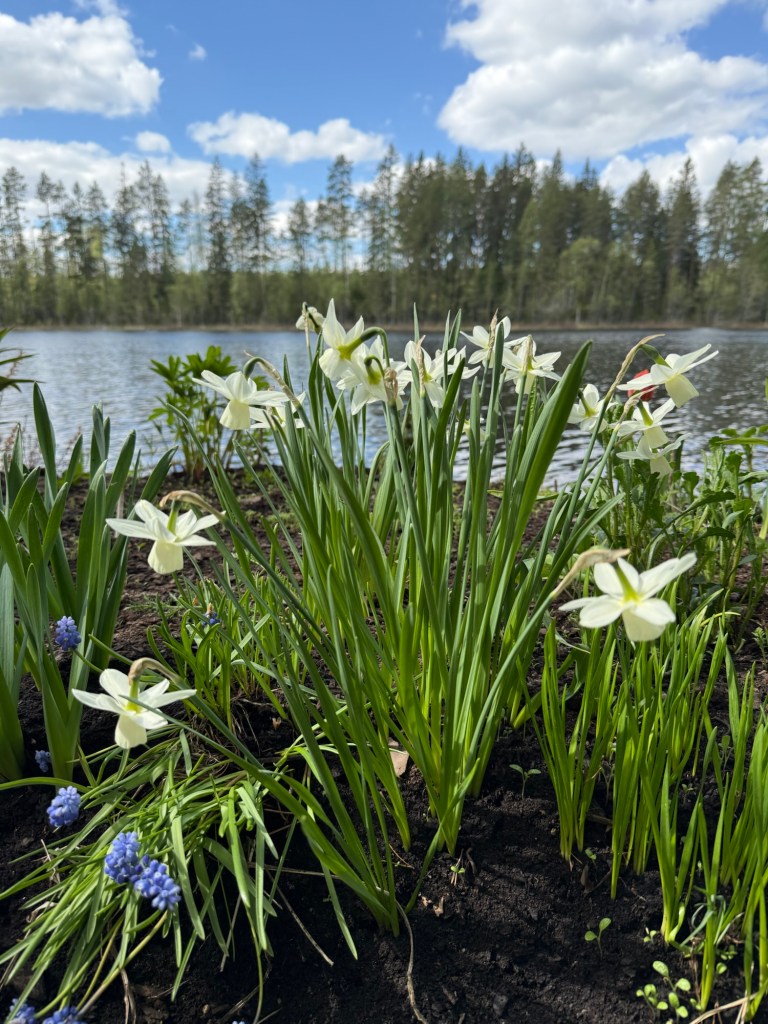
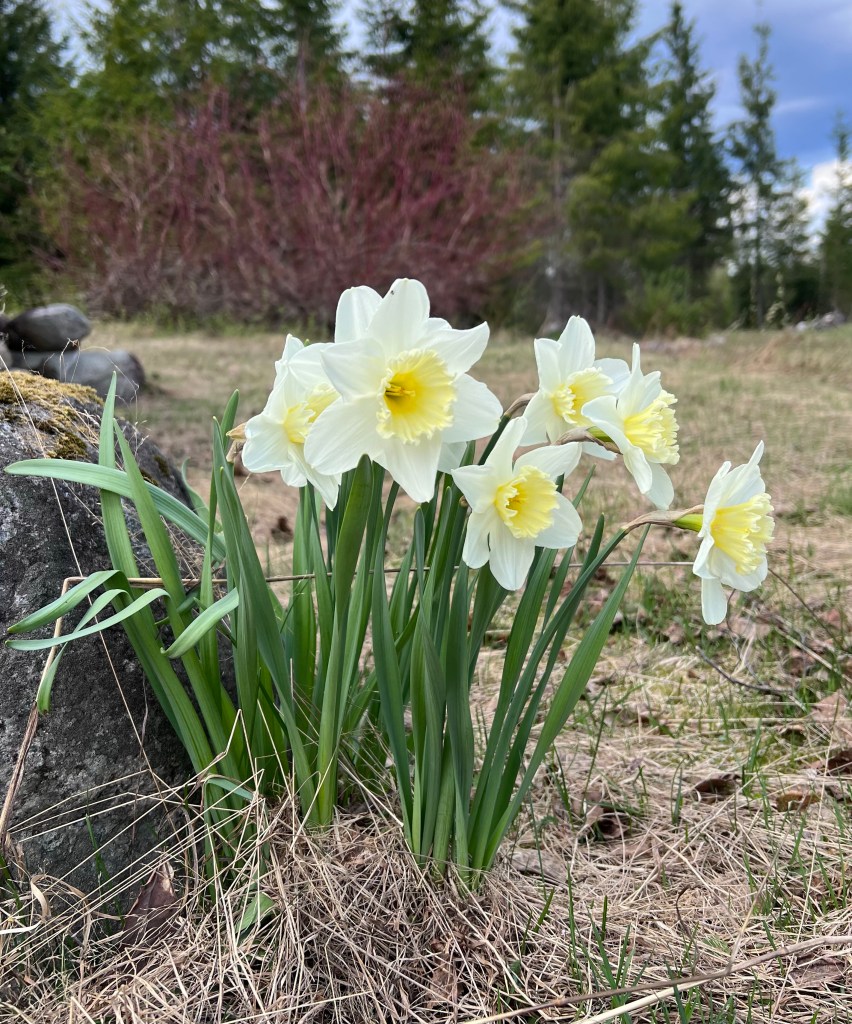
It has been a great year for Ice Wings (Narcissus ‘Ice Wings’). They have been the most successful variety of daffodils by far. Blooming everywhere beautifully.

Usually the daffodil season is over by June but this year the spring has been cool and the late varieties are just starting they show.

Spending the week here in the summer cottage has been just what I needed. Did not realize how exhausted I have been.

Buried my father on Tuesday. Miss him so much. He was the kindest person I have ever known. But that is how life goes. Our time here has its limits and goes surprisingly quickly.

Standard
flower, gardening

Peaches and Cream

The warm days are now over up here in the north and a cold water front has arrived. Time to take it easy and listen the rain in the warmth of a fireplace.

Luckily I managed to do most of the things before the bad weather and the garden is now in decent condition. Though it will be very modest this year and I am going to stick with the varieties that are familiar to me and easy to tend.

Before the rain started I managed to capture photos of the blooming Peaches and Cream (Narcissus ‘Peaches and Cream’). It did well when it comes to wintering and is now at its best.

Standard
flower, gardening

Ice Follies

This year’s first thunderstorm came early and took me by surprise. Not that strong yet but cooled the air and gave some rain.

The past few days have been nice, warm and summer like. Perfect for gardening and all the spring activities. I sure have plenty to do even though decided to take it easy this year.

Managed to get a week off from work and now in the summer cottage. Seems that I am not the only one in a hurry to complete all the tasks. Most of the birds have already arrived and the nesting season has began. Just love to watch the hustle in the birdhouses.

The daffodil season is at its best. The Ice Follies (Narcissus ‘Ice Follies’) are blooming nicely and the variety has proven to be a good reliable choice.

Standard
flower, gardening

Verbena

I am getting more and more fond of Common Garden Verbenas (Verbena hortensis). They have so many colors available in the stores nowadays.

The flower is extremely drought tolerant and therefore very suitable for the summer cottage since I am not always there to water.

I planted this individual to the driest and sunniest spot and it still made it blooming beautifully.

Standard