flower, gardening

ILO

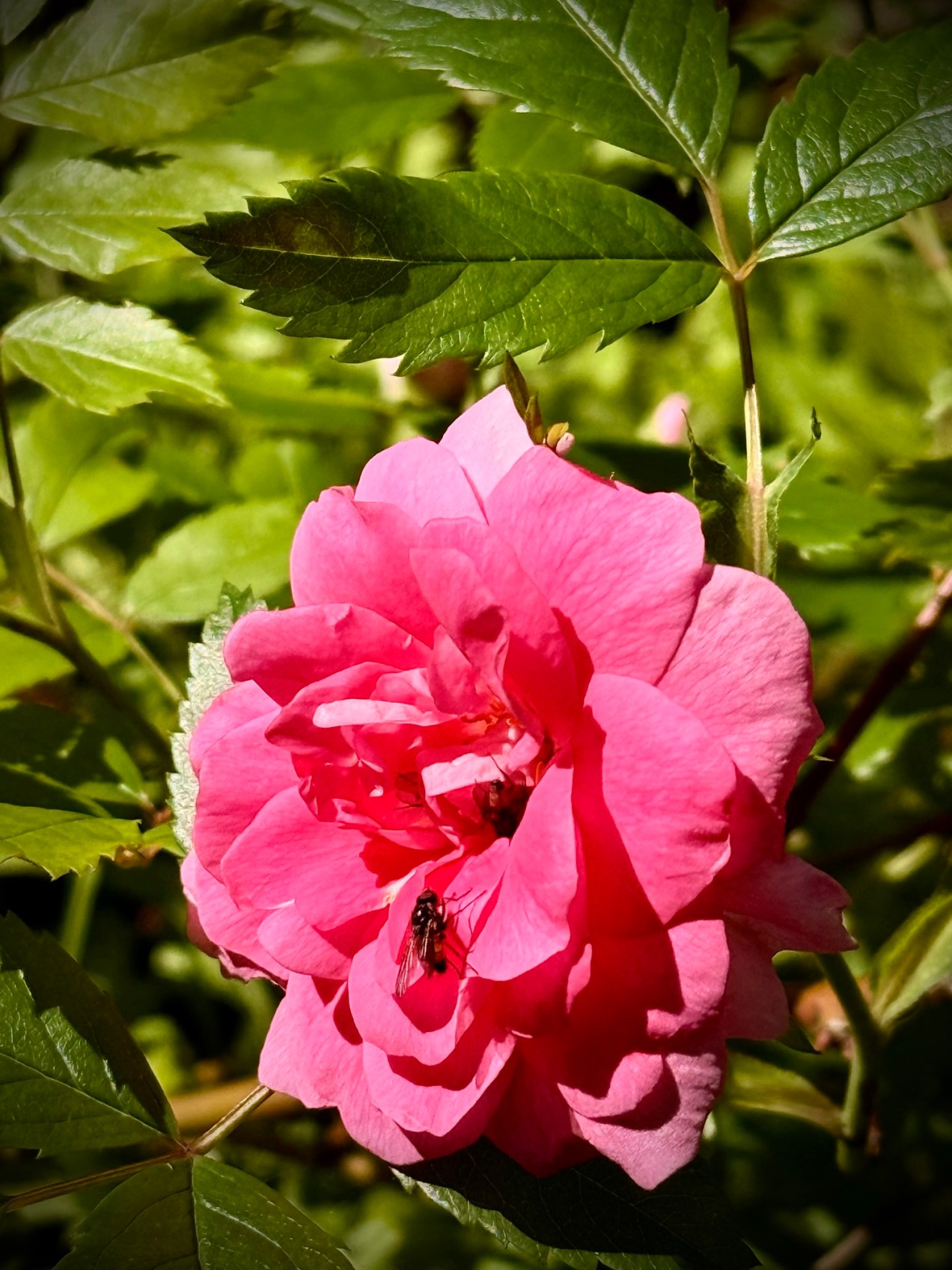
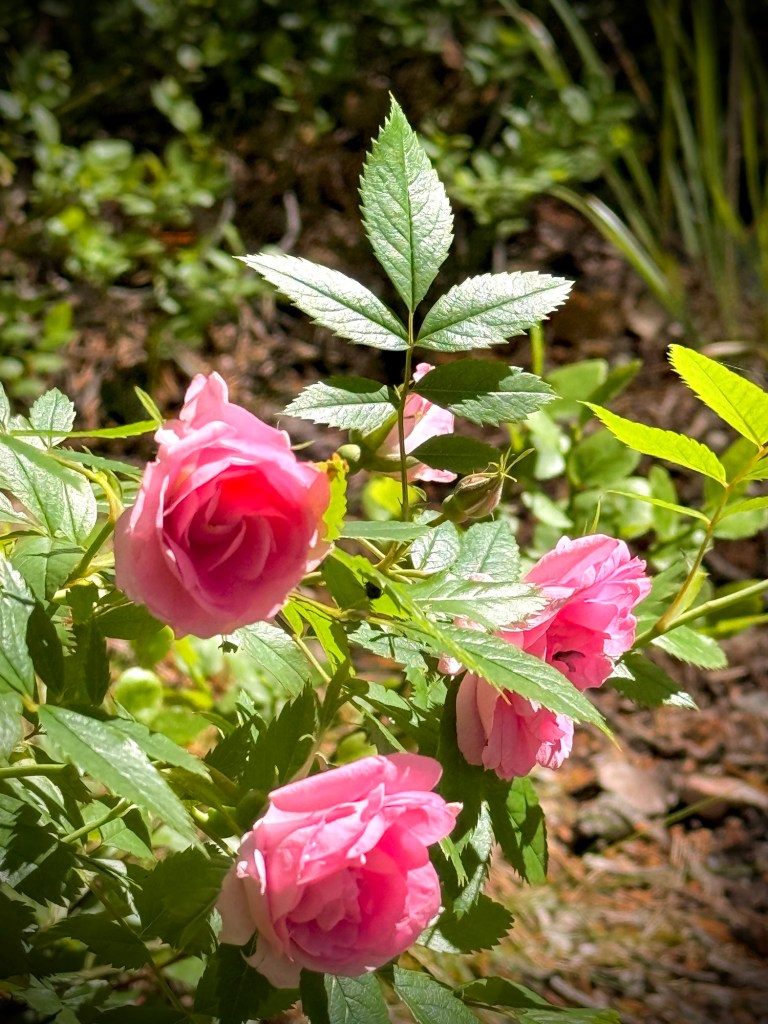
This spring, I planted a new rose at our summer cottage: Rosa ‘ILO’. Adding a new plant is always a small adventure. No matter how much information you read beforehand, the real story begins only after the plant finds its place and starts growing in its new surroundings.

The rose was planted beside a path that winds through a wooded area near the cottage. It is a peaceful spot where sunlight filters through the trees and highlights the flowers when they bloom. The location felt right from the beginning. Surrounded by woodland and natural vegetation, the rose adds a beautiful splash of colour while fitting naturally into the landscape.

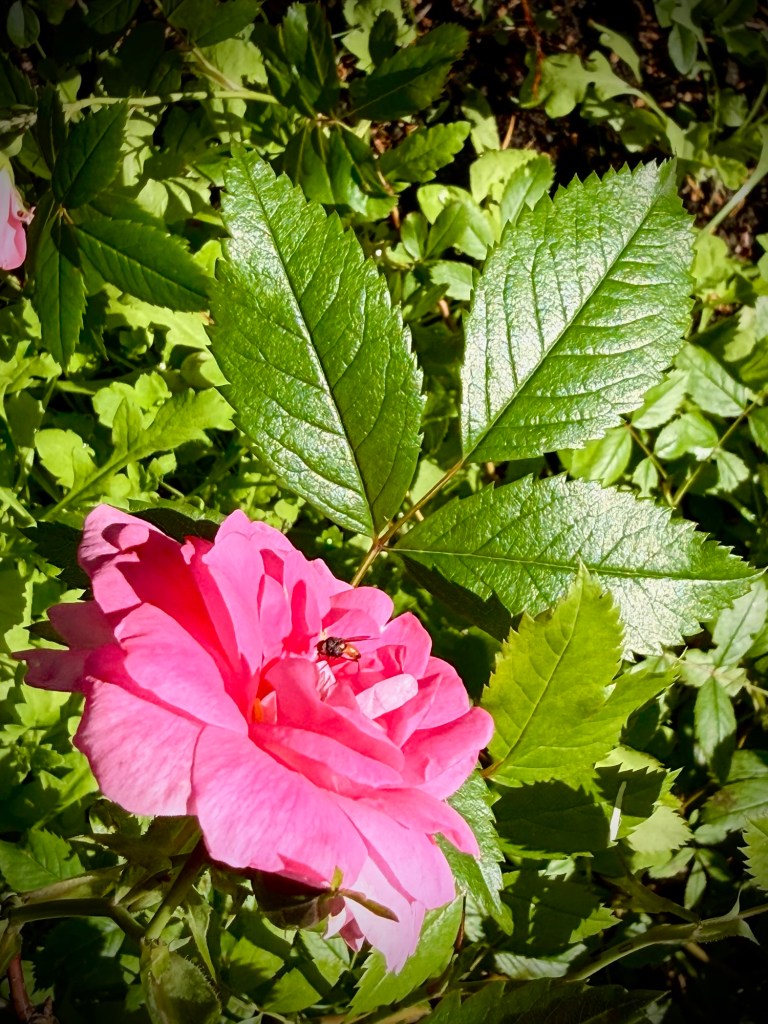
Although this is only its first summer, Rosa ‘ILO’ has already made a positive impression. The flowers are a lovely bright pink, standing out clearly against the surrounding greenery. Their colour catches the eye even from a distance and brings a cheerful touch to the scenery. Whenever I pass by, I find myself taking a moment to admire the blooms.

One feature I have particularly appreciated is how long the flowers seem to last. We have had some very warm weather recently, and many plants struggle to look their best during extended periods of heat. Yet the blooms of Rosa ‘ILO’ have remained attractive remarkably well. Even after several hot days, the flowers continue to provide colour and interest, which is always welcome during the height of summer.

Another reason I chose this rose was its reputation for being relatively easy to grow. Not every plant demands rich soil and constant attention, and that is often an advantage at a summer cottage. Some of the most rewarding plants are those that quietly settle into their surroundings and thrive without much fuss. So far, Rosa ‘ILO’ appears quite content with its new home.

Of course, the first growing season tells only part of the story. A newly planted rose is still establishing its roots and adjusting to its surroundings. It will be interesting to watch how it develops over the coming years. Perhaps it will become larger and fuller, producing even more flowers as it matures. That is one of the pleasures of gardening—or perhaps more accurately, growing plants in a natural setting. The future is never entirely known, and each season reveals something new.

For gardeners in Finland, there is always one question that cannot be answered immediately: how will a new plant cope with winter? Summer allows us to enjoy flowers and growth, but winter is often the real test. As Rosa ‘ILO’ was planted only this spring, its first winter will be an important milestone. I am curious to see how it manages once the snow arrives and temperatures fall.

For now, however, there is no need to think too far ahead. The rose is blooming beautifully, the woodland path is surrounded by summer greenery, and Rosa ‘ILO’ has already brought a little extra colour and enjoyment to the cottage. That feels like a very promising beginning, and I look forward to seeing what the coming seasons will bring.
Standard
flower, gardening

Chatelaine

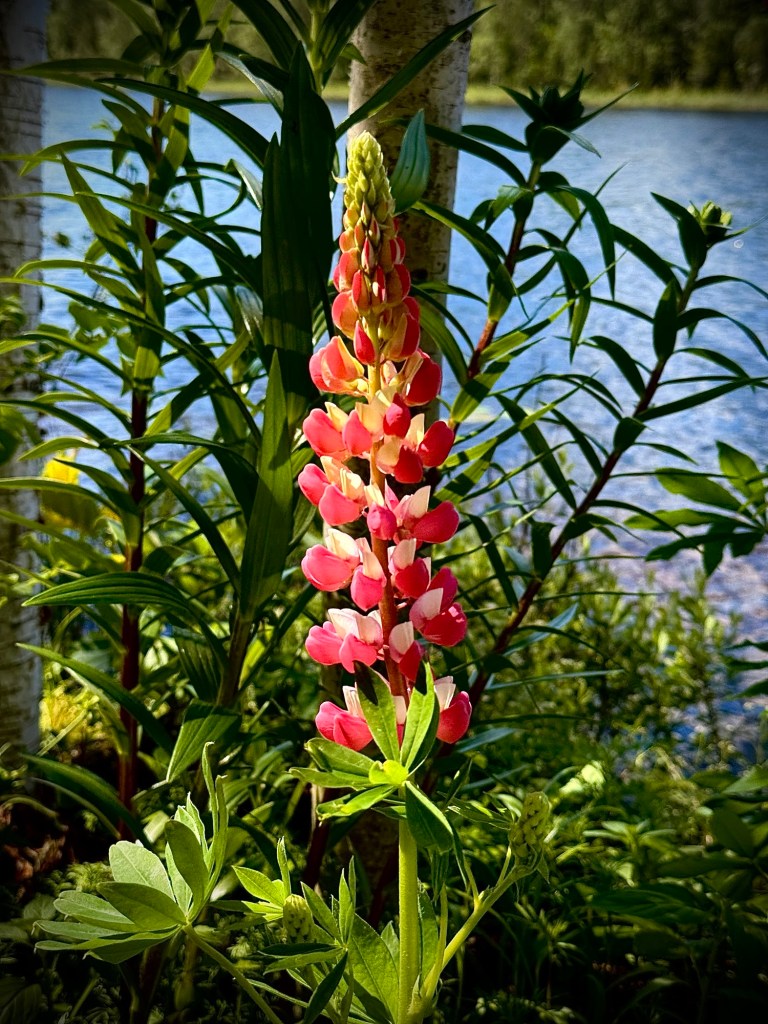
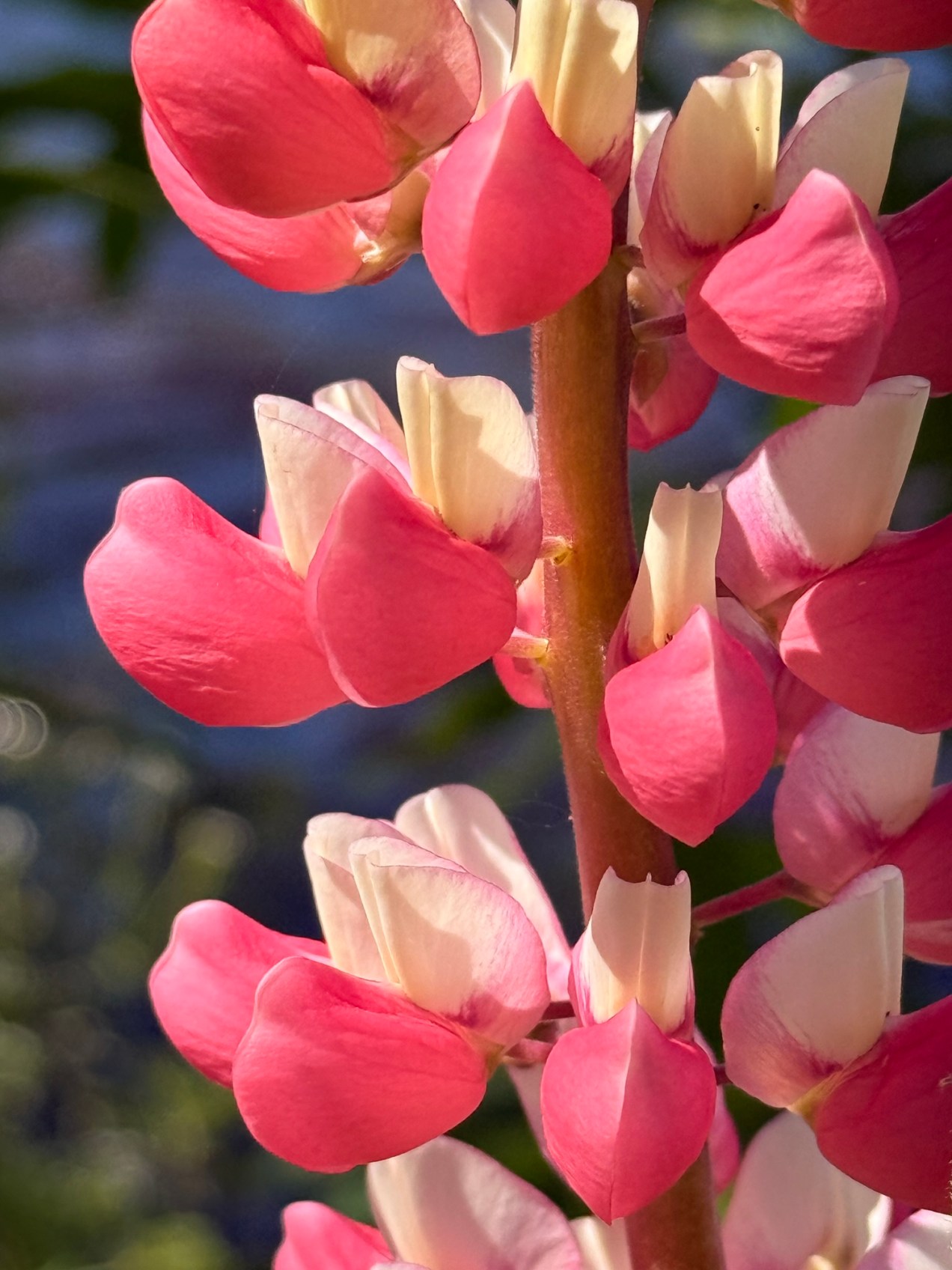
Some flowers attract attention from a distance, while others invite you to come a little closer. Lupinus polyphyllus ‘Chatelaine’, a member of the Russell Lupin group, is one of those flowers. Its tall flower spikes may not always be the largest in the garden, but there is a grace and elegance about them that makes me stop and admire them every summer.


The blooms are a beautiful blend of pink shades, creating a soft display that stands out among the greens of early summer. As the flower spikes sway gently in the breeze, they bring movement and colour to the garden. On warm days they attract bees and other pollinators, and I often find myself watching the activity around them for a few moments longer than I intended.


Over the years I have grown many different flowers, but some become favourites simply because they never disappoint. Chatelaine is one of those plants. It returns faithfully each year and produces its flowers just as the garden is beginning to reach its summer peak. In a northern garden, where the growing season always feels too short, dependable plants become especially valuable.


One of the things I appreciate most about this lupin is how easily it fits into a mixed flower bed. It combines beautifully with many other summer-flowering perennials without competing for attention. Some flowers demand to be the centre of attention, but Chatelaine seems content to complement its neighbours. The result is a natural and balanced display that looks different every year depending on the weather and the surrounding plants.


Every growing season brings its own surprises. One summer may be warm and sunny, another cool and rainy. Yet the garden always finds a way to reward patience. Even familiar plants reveal new details when viewed from season to season. Sometimes it is the abundance of flowers, sometimes the colours appear richer than usual, and sometimes it is simply the pleasure of seeing a favourite perennial emerge once again after a long winter.


At the cottage by the lake, summer days seem to pass at a gentler pace. Morning coffee on the terrace and quiet moments spent looking at the flower beds have become small traditions that I look forward to every year. Chatelaine fits perfectly into those moments. It is not an extravagant flower, but it has a quiet beauty that never fails to catch my eye.


As June turns into July and the garden reaches one of its most colourful periods, I often find myself appreciating plants like Chatelaine the most. They may not be the rarest or most unusual flowers, but they bring reliability, beauty and a sense of continuity to the garden. Year after year they return, bloom and remind me why I enjoy gardening so much.


Lupinus polyphyllus ‘Chatelaine’ is one of those plants whose beauty grows with familiarity. The more summers I spend with it, the more I appreciate its charm. Sometimes the most memorable flowers are not the loudest ones, but those that quietly return and make each summer feel complete.

Standard
flower, gardening

Columbine

If I had to choose just one flower, it would definitely be columbine.


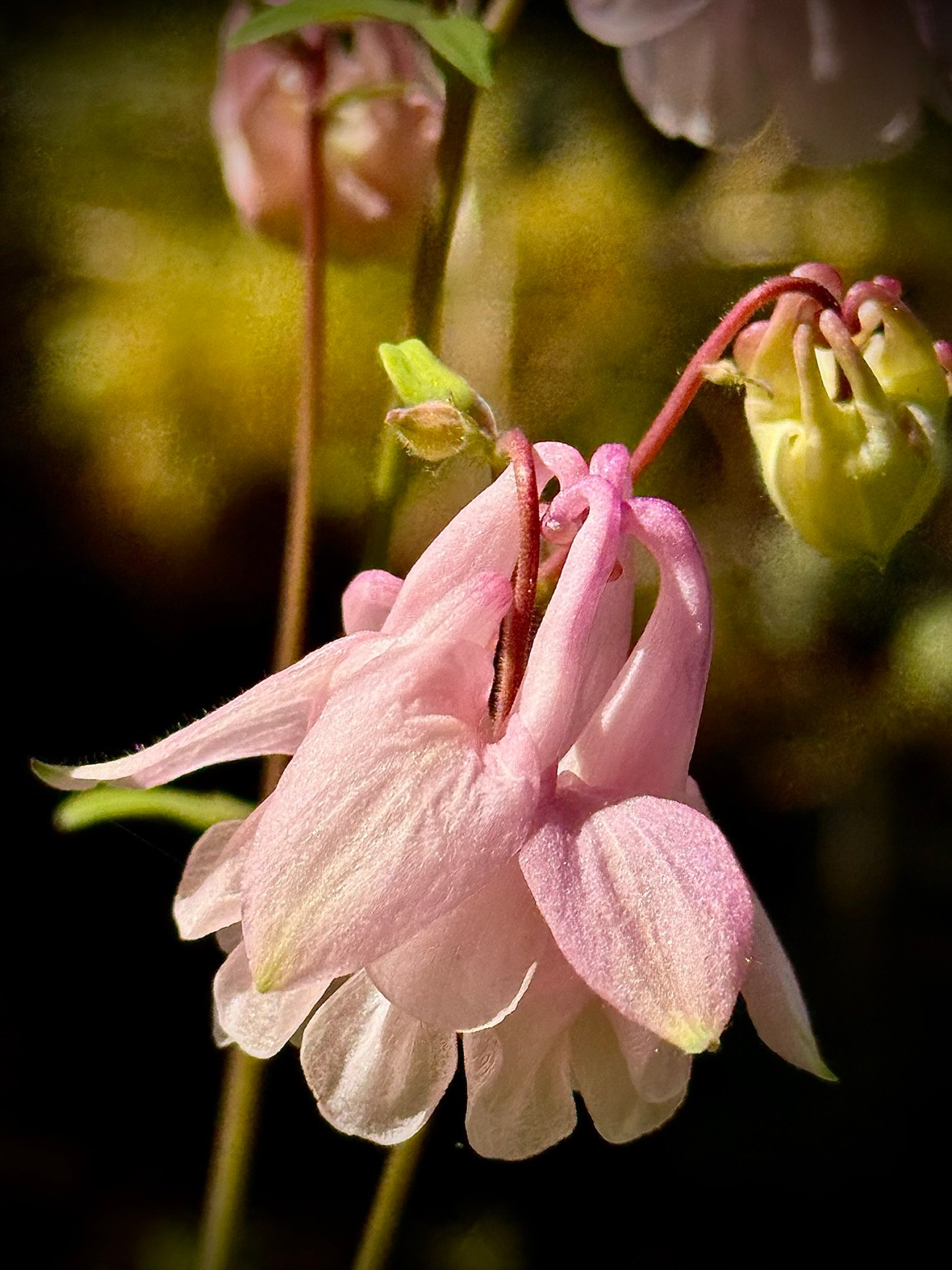
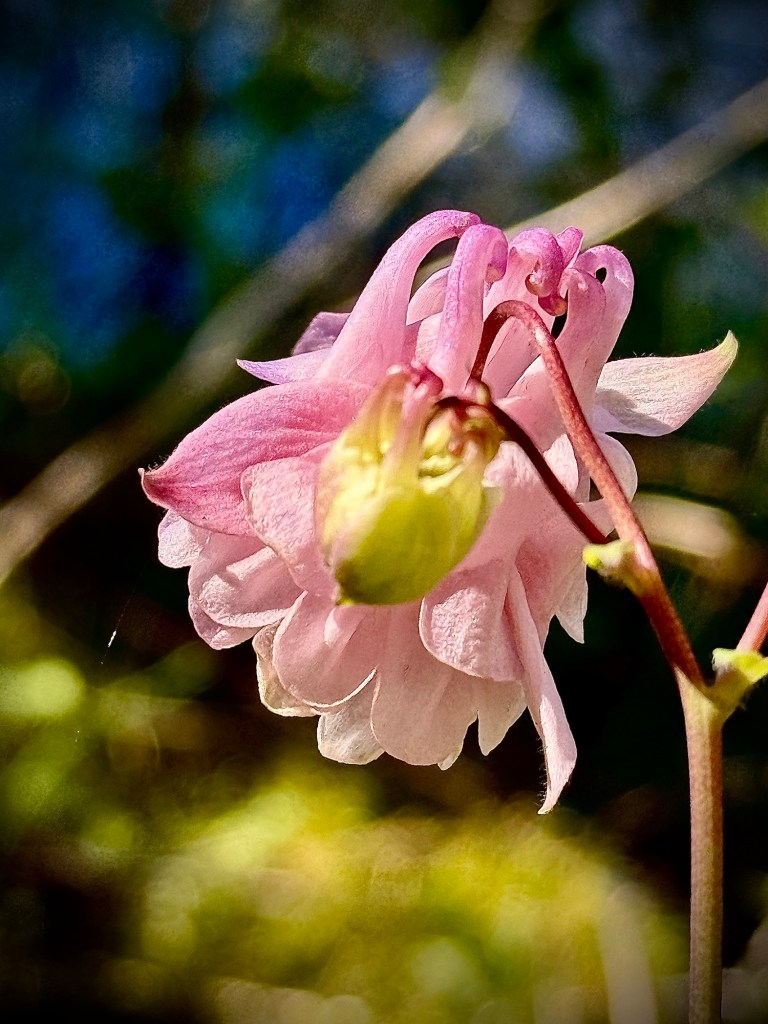
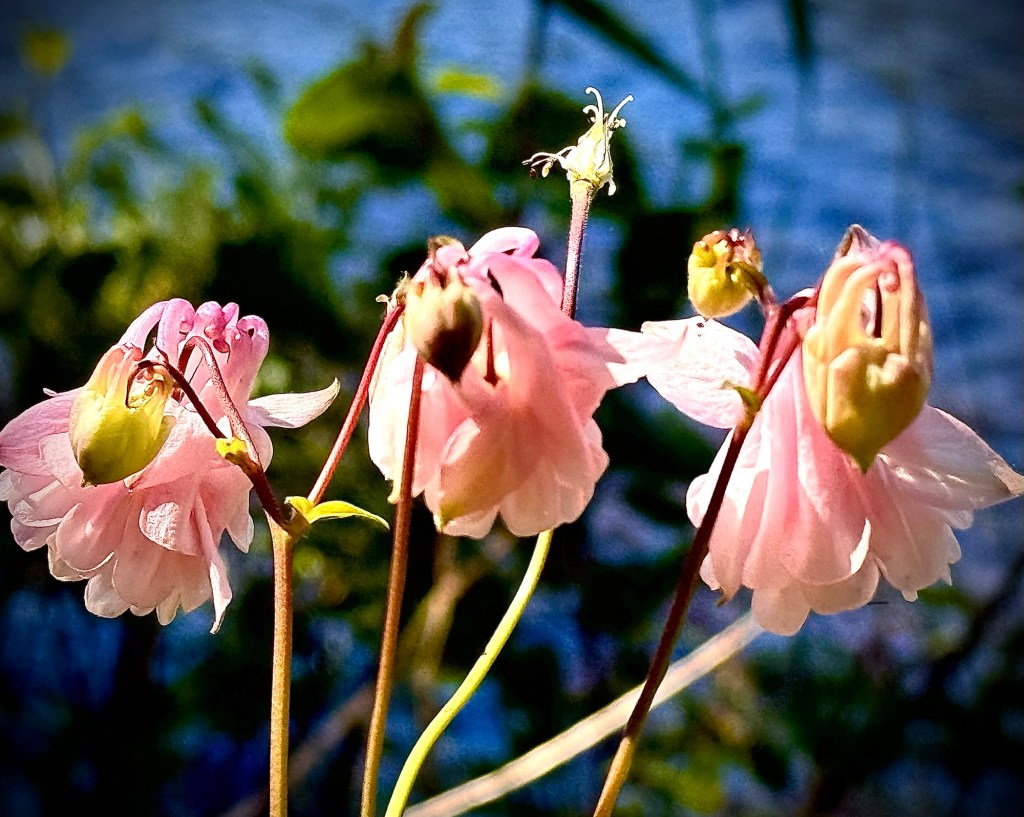
Aquilegia, as it’s known in Latin, is not the most showy plant, nor the rarest, but for me it carries something no catalogue variety ever could. It has been here for as long as I can remember – and long before that. This is the same old variety my grandma once had growing in her garden, and it has now been part of this place for more than eighty years.


There is something quite special about that thought. Plants come and go, borders change, and new varieties arrive every year, but this one has simply stayed. Or perhaps more accurately, it has quietly moved.


Columbine is not a plant that stays politely where you put it. Individual plants only bloom for a few years in one spot before fading away, but the plant continues by setting seed and starting again somewhere new. One spring you notice it in one corner, and a few years later it appears in another. It disappears, and then returns as if nothing ever happened. It finds its own place.


That is exactly how mine behaves. It never really leaves the garden, but it never fully stays still either.


My earliest gardening memories are tied to this plant. As a child, I used to collect the seeds and scatter them around the garden without much thought. I planted them wherever I felt like it – along the paths, between other plants, sometimes even in places where nothing else seemed to grow. And very often, they did.


There is something generous about columbine. It doesn’t expect perfection. It grows in sun or light shade, finds small gaps, and quietly settles in. It fills that early summer moment in the garden, after the spring bulbs have faded and before the stronger summer flowers take over. The blooms are light and slightly nodding, with their distinctive spurs, delicate but never fragile.


Over time, the plants have changed a little. The colours are not always exactly the same from year to year. That is part of their charm. New seedlings appear with small variations, different shades or slightly altered shapes. But the original feeling of the plant remains – something familiar, something continuous.


The name Aquilegia comes from the Latin word aquila, meaning eagle, referring to the shape of the flower spurs. It’s an interesting detail, but for me the plant has always been something softer. I still think of it as my grandma’s flower.


Every year, when the first blooms open, it feels like a quiet return. Nothing dramatic, nothing demanding attention. Just a simple reminder that something has continued, through seasons and years, without needing much care from me.


These days, I don’t try to control where it grows. I let it decide. It always finds a place that works.
And maybe that is exactly why it has lasted this long. Not because it was carefully planned or protected, but because it has been allowed to move, to change, and to belong in its own way.


I’m just glad it’s still here.

Standard
flower, gardening

Russell Red

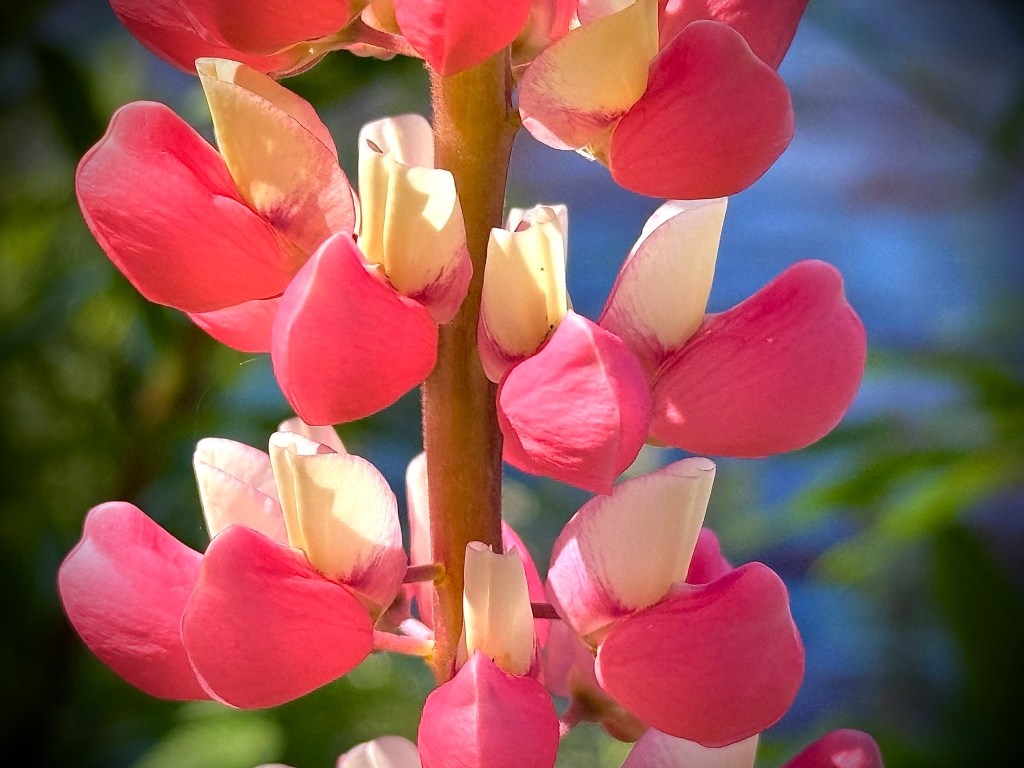
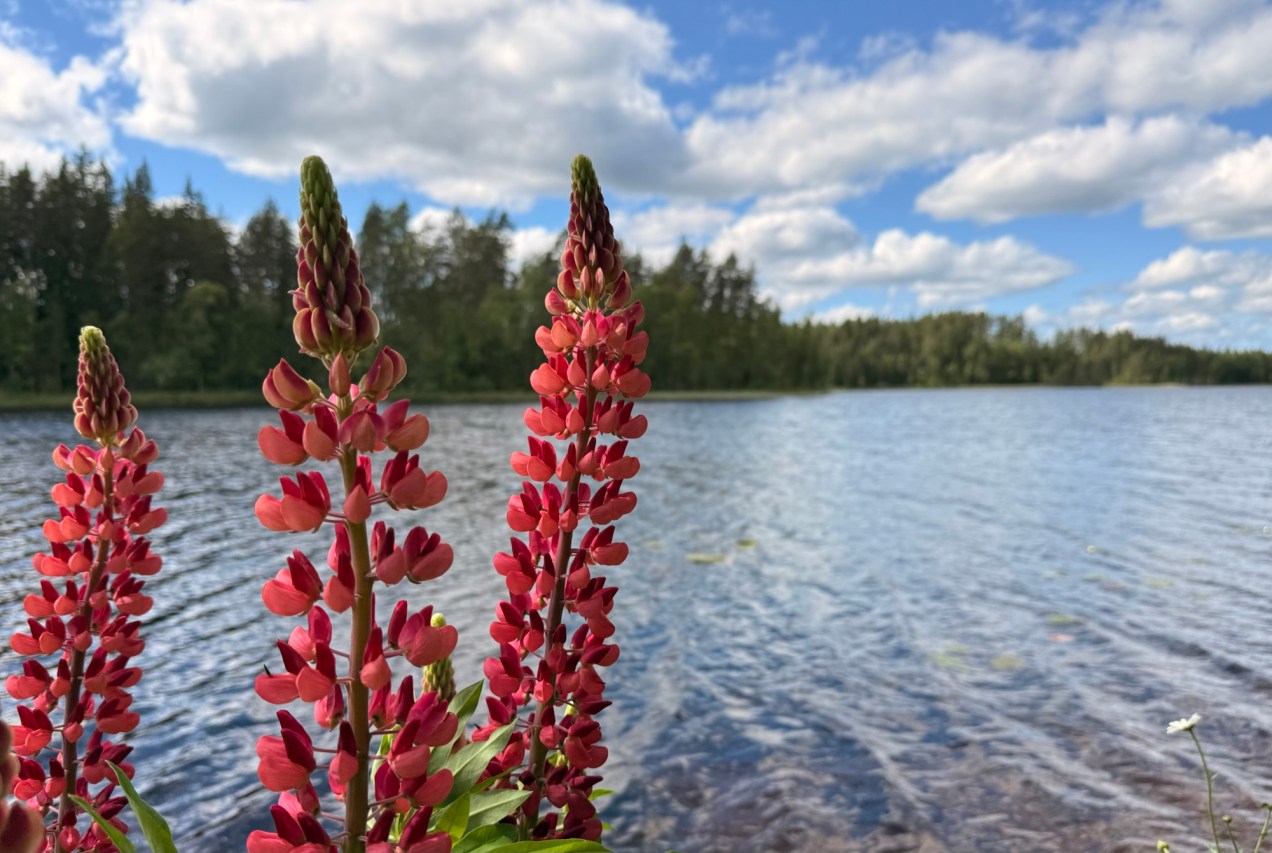
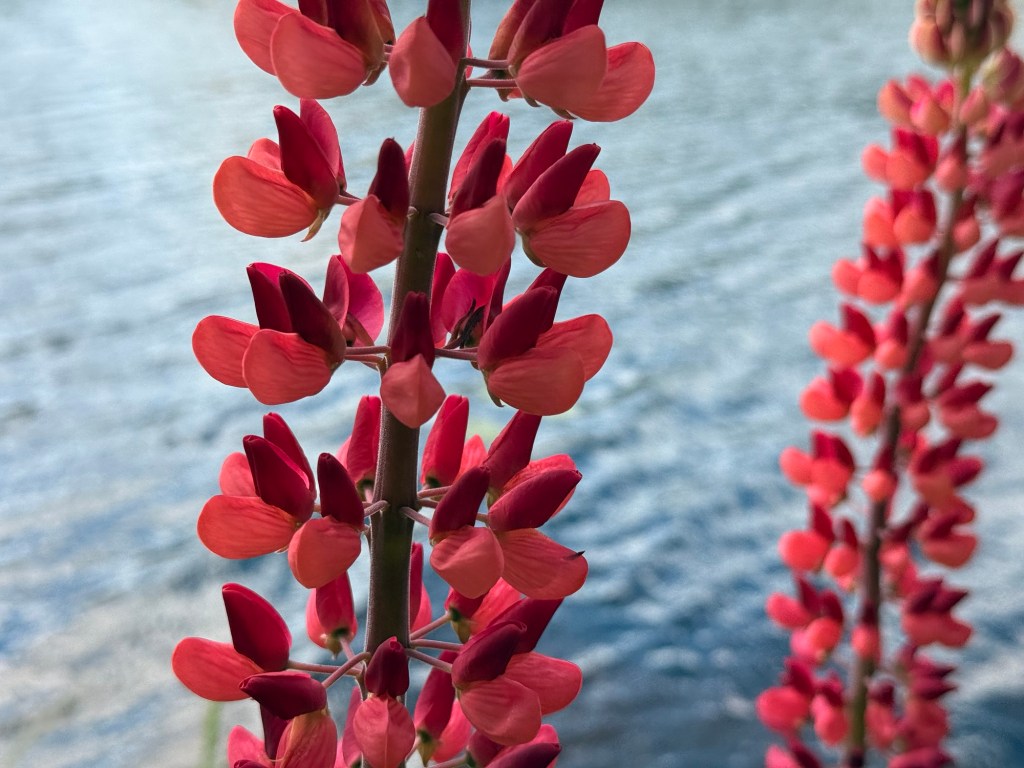
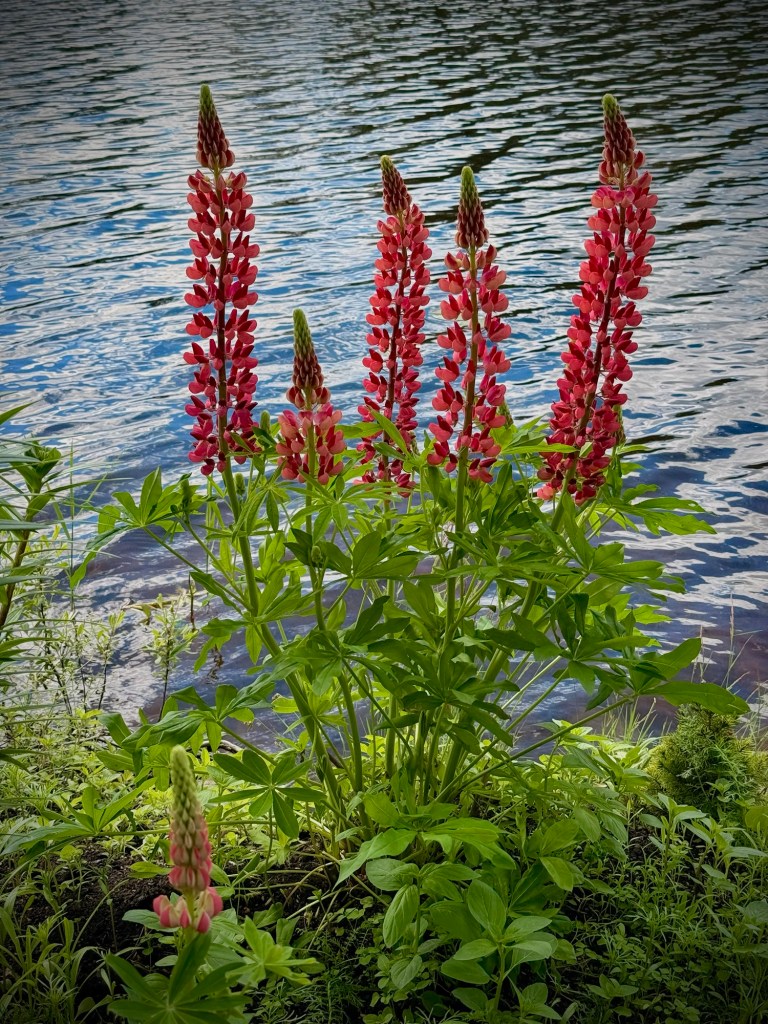
This summer, one of the flowers quietly catching my attention by the lake is the Russell Red lupin. The colour is slightly different from what I expected. It is not just red, but more of a mixture of red and pink, changing a little depending on the light. Sometimes it feels soft, almost faded, and at other times it shows a deeper, warmer tone.


I haven’t really had this colour before, and that is probably why it stands out. Still, it fits naturally into the surroundings. It does not feel too bright or too strong, just somewhere in between.


The Russell varieties are something I have come to appreciate over time. There is something reliable about them. They grow steadily, form their tall spikes, and then bloom in a way that feels generous. Even this red–pink shade, which is new to me, has that same calm presence.


These lupins belong to the Russell group, usually classified as Lupinus × regalis, hybrids originally developed from Lupinus polyphyllus. They are known for their strong vertical growth and wide range of colours, which is probably why every plant feels slightly different.


One thing I like especially is how easy they are. Here in the north, that matters. You cannot expect every plant to survive without some thought. You have to plan where they go. If the place is wrong, they slowly disappear. But when they are happy, they manage well on their own.
This one started blooming early in the season and continues steadily. The flowers open from the bottom upwards, which keeps them going for a long time. Even when I am not here every day, I know they will manage without much attention.


I am still waiting for the others to bloom. With these lupins, there is always a bit of uncertainty. You never fully know what colours will come.
For now, this red and pink mix is enough. It brings a quiet variation to the garden and works beautifully with the open space by the lake. Not perfect, not planned too much—just growing as it happens.

Standard
flower, gardening

Angel

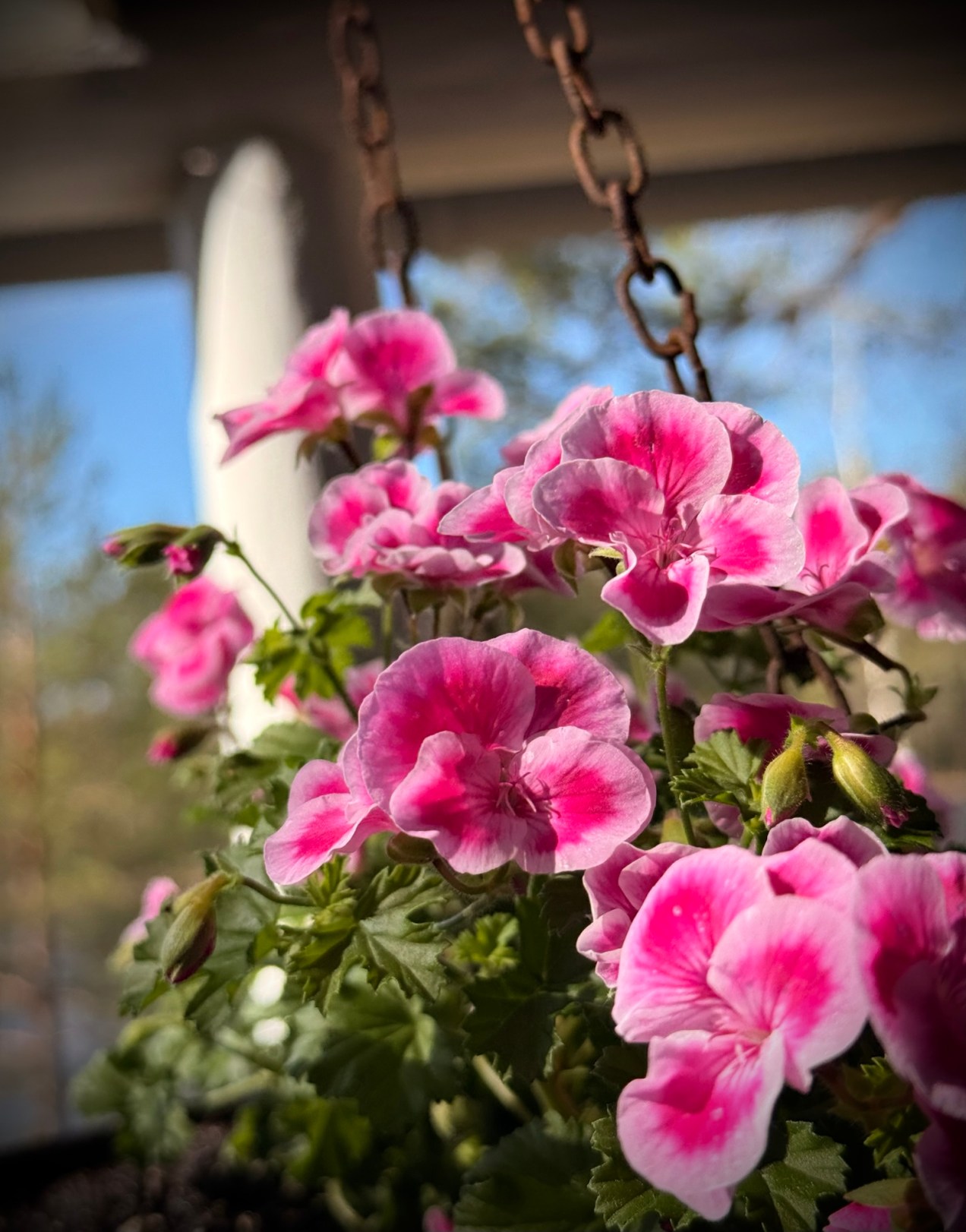
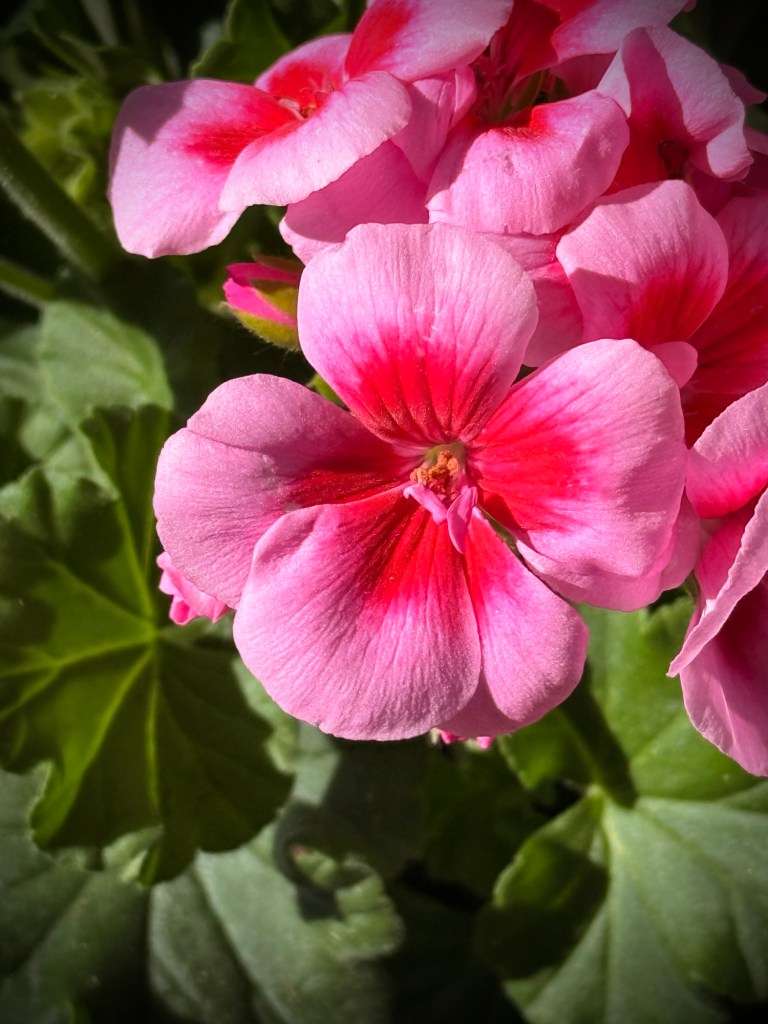
I didn’t plan on buying a geranium that day. I was simply browsing, enjoying a quiet and bright spring moment, when this one stood out. There was something about it that made me stop. That was when I fell in love with Angel. She came home with me without much hesitation.

This is my first time growing this type of geranium, which made the choice feel even more special. Angel has a softer look than many traditional pelargoniums, with a compact growth habit and delicate flowers. At the store, she felt calm and well-balanced, not trying to impress but quietly confident. Sometimes that’s all it takes.

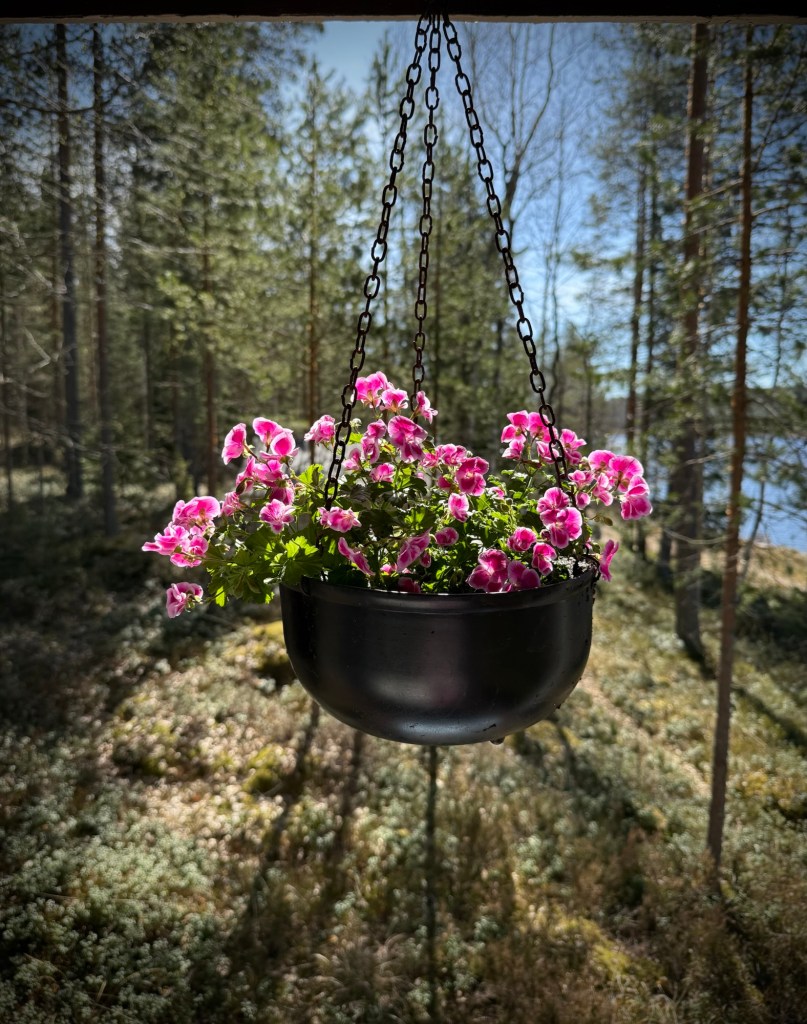
Angel (Geranium ‘Angel’) has now been planted at the summer cottage, where spring arrives slowly and temperatures can still drop unexpectedly. Days may be sunny, but nights often remain cold. Choosing plants for this environment means thinking ahead. From what I understand, this type of geranium is fairly cold-tolerant as long as it’s protected from frost, so Angel should manage just fine in a sheltered spot.

Planting her felt like a true sign that the season has turned, even if the air is still cool. The soil was fresh, the light clear, and the garden just beginning to wake up. Angel was planted into well-draining soil and placed where she can enjoy sunlight without being exposed to strong winds. Sometimes small details make all the difference.

In terms of care, Angel feels refreshingly uncomplicated. Regular watering, good drainage, and gentle feeding during the growing season should be enough to keep her healthy and blooming. She doesn’t ask for much, which suits life at the cottage perfectly.

As spring moves forward, I’m looking forward to seeing how Angel settles in and grows. First-time plants always bring a certain quiet excitement. Angel already feels like she belongs here, and I’m glad I trusted that moment in the store when something simply felt right.

Standard
flower, gardening

Hilma

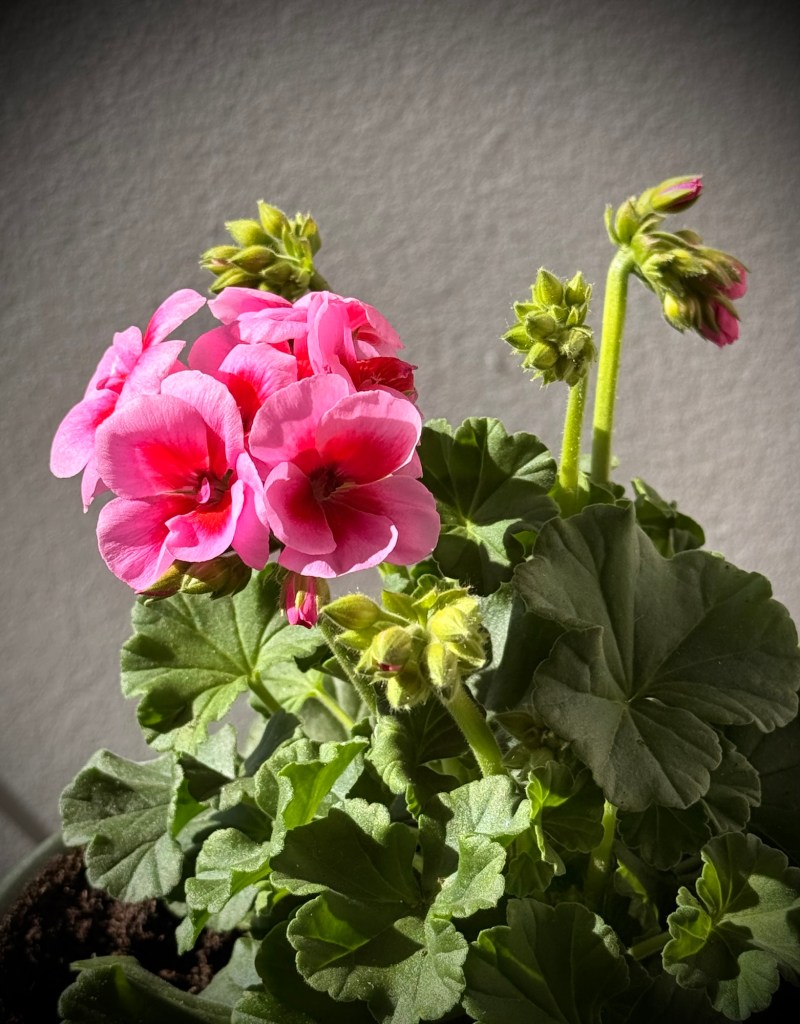
Some plants arrive with a sensible plan behind them, others simply follow the heart. Hilma belongs firmly to the second category. She was not cheap, and I knew that perfectly well while standing there, hesitating just a moment longer than usual. But some colours do that to you. The soft layering, the gentle contrast, the way the petals seem to glow even without direct sunshine — resisting felt pointless. Hilma (Geranium ‘Hilma’) came home with me.

Now she sits on the balcony, where the light shifts slowly through the day. In the mornings, the colours feel cooler and calmer; in the long evenings, they deepen and warm up, almost changing character. This is what I love about geraniums like Hilma — they are never static. They respond to light, temperature, and time in a way that keeps you looking twice.

What draws me to these varieties, again and again, is their reliability. They tolerate cold with remarkable grace, making them ideal companions for northern balconies. Even when nights dip lower and the air feels sharp, they hold on. Six months or more outdoors is not unusual here, and that kind of endurance feels almost generous.

This spring has felt especially full of light. The days stretch endlessly, and even ordinary moments seem brighter for it. Hilma has settled into this rhythm quickly, her foliage healthy and steady, her blooms unhurried but confident. There is no rush — just consistency, day after day.

Sometimes I think that is why I didn’t mind the price after all. Hilma isn’t a fleeting pleasure. She is presence. She stays, she adapts, and she rewards patience. On a northern balcony, surrounded by wind, light, and long evenings, that feels like exactly the kind of plant worth choosing.

Standard
flower, gardening

Chatelaine

I do not know why but I lost half of my lupines last winter which was a surprise because they are usually very hardy.

To my delight The Chatelaine (Lupinus ‘The Chatelaine’) started to bloom in the new spot that it was planted this spring.

I am still trying to find more colors. Lupines are so easy flowers for the summer cottage.

Standard
flower, gardening

Brachyscome

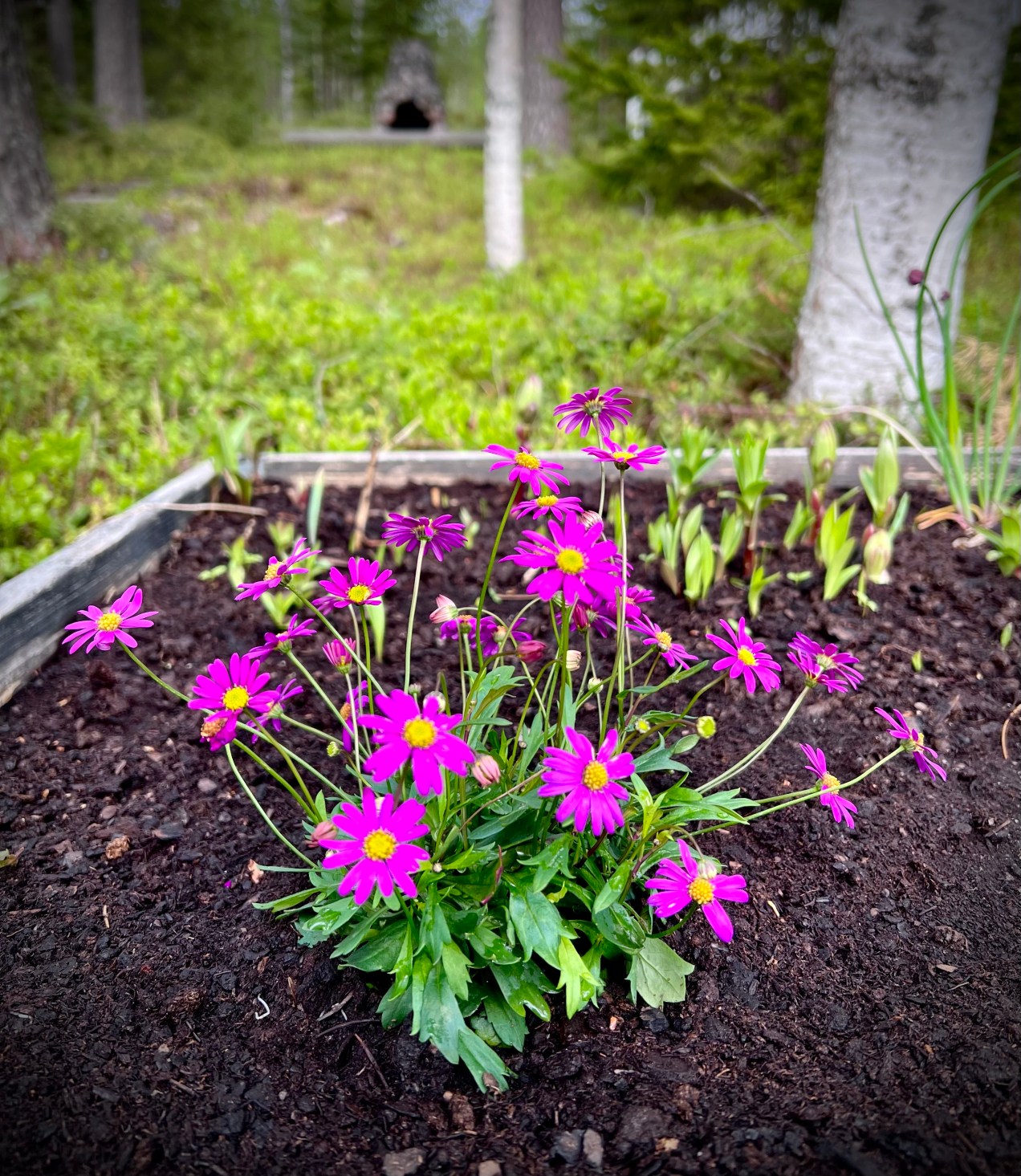
Something new to the garden. Fell in love with the blooms Brachyscome (Brachyscome hybrida) has.

It is a small flower, only about 15 centimeters tall at this point. It should double its hight during the summer.

Placed it to full sun. The only problem is that it requires regular watering when placed like that and I will not be here to do it.

Standard
flower, gardening

Dahlia

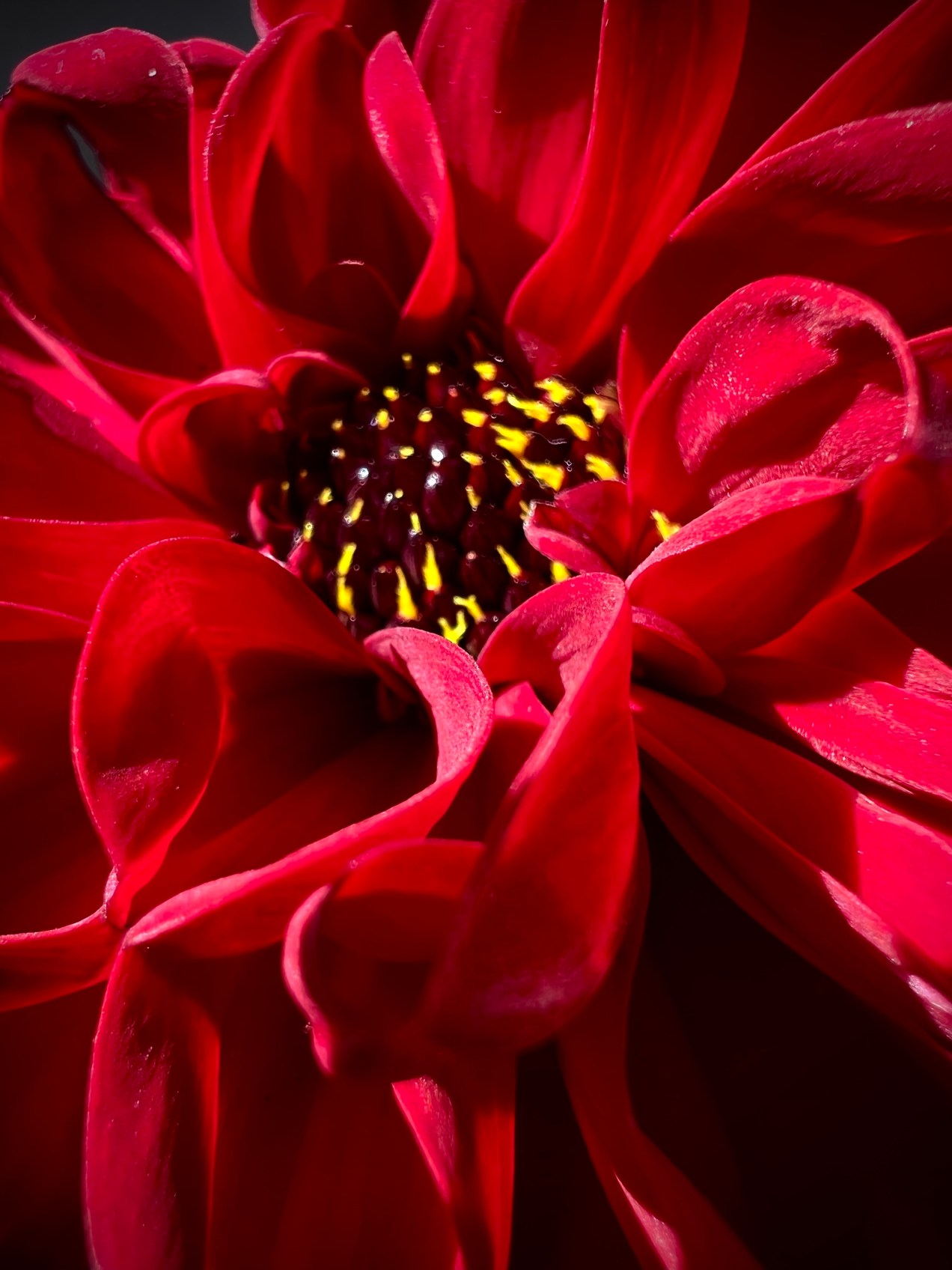
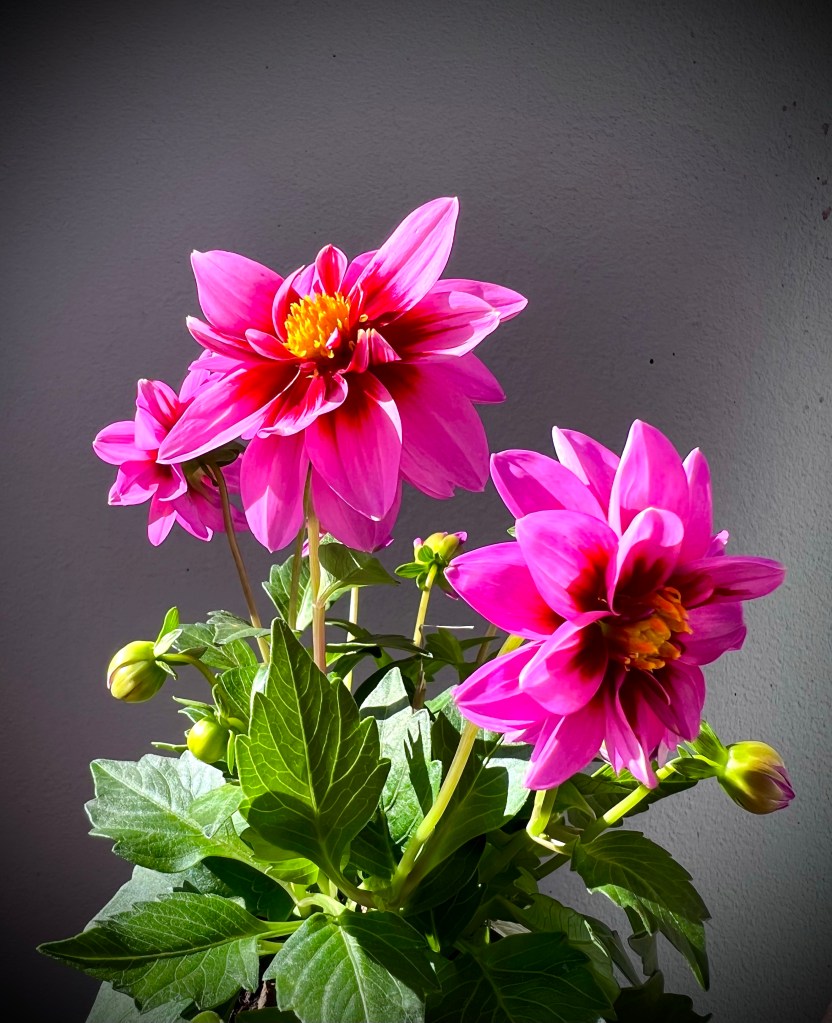
It is always a bit tricky to grow Dahlias (Dahlia) up here in the north. They would need a longer summer to bloom well.

This year I decided to buy ready grown plants instead of trying to grow them by myself. At least this way I am able to be sure that I can see the blooms.

Found two that I liked from the store and brought them to the summer cottage. They are very different from each other but were the ones that caught my eye.

Standard
flower, gardening

Windsor

Phloxes are blooming beautifully at the moment. The Windsor (Phlox paniculata ‘Windsor’) finally started its show and is the last one of the phloxes to open the blooms.

The summer has been a good one for the phloxes even though they have required a lot of watering.

Planning to have more colors and varieties next year.

Standard