flower, gardening

Dahlia

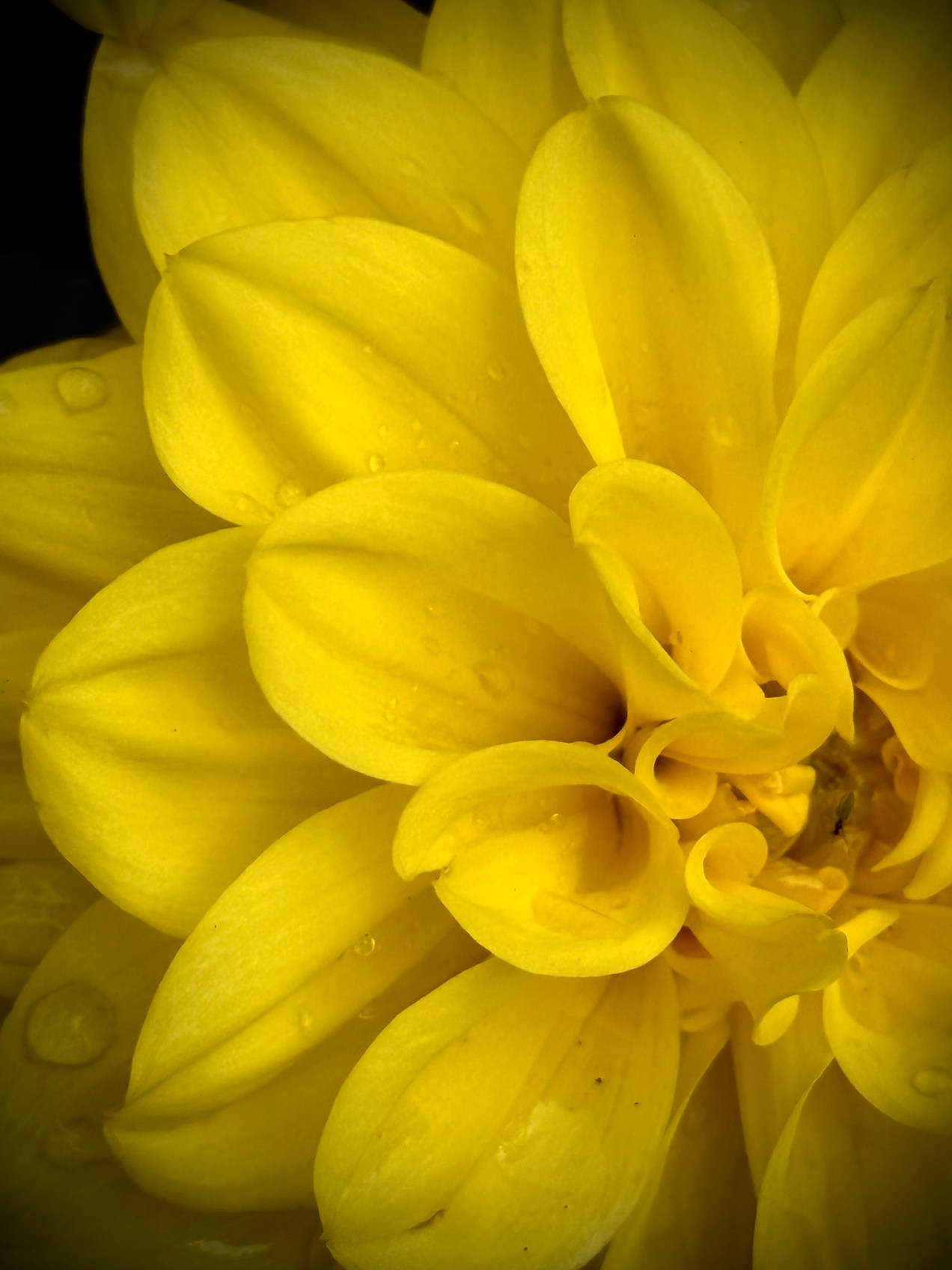
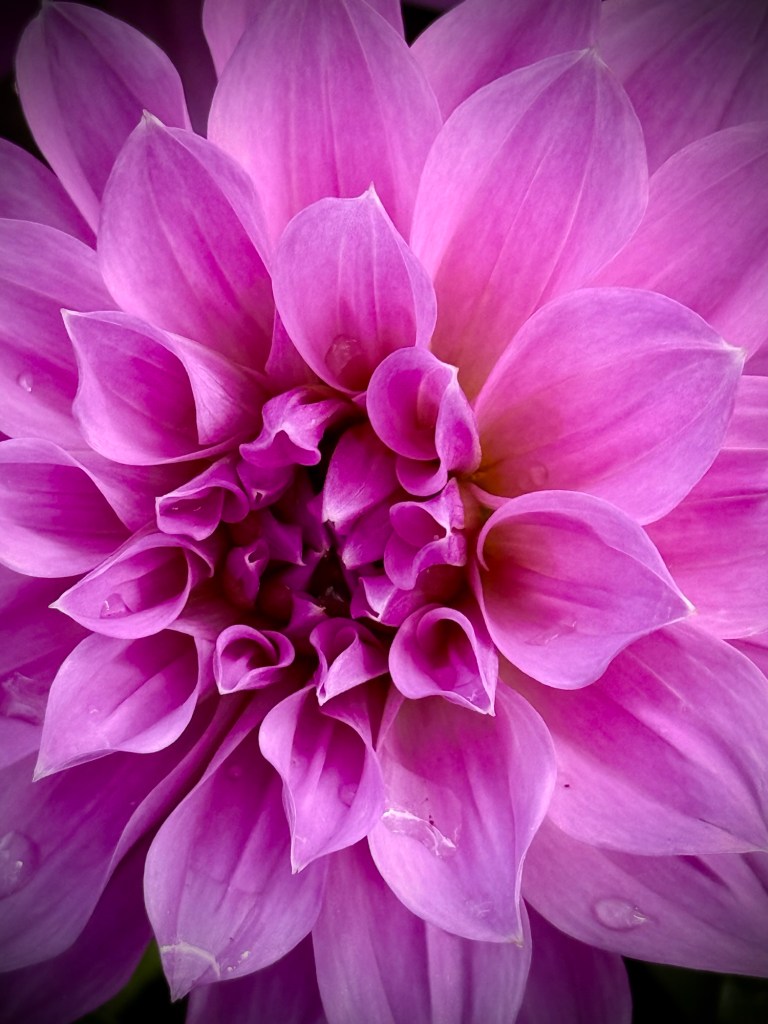
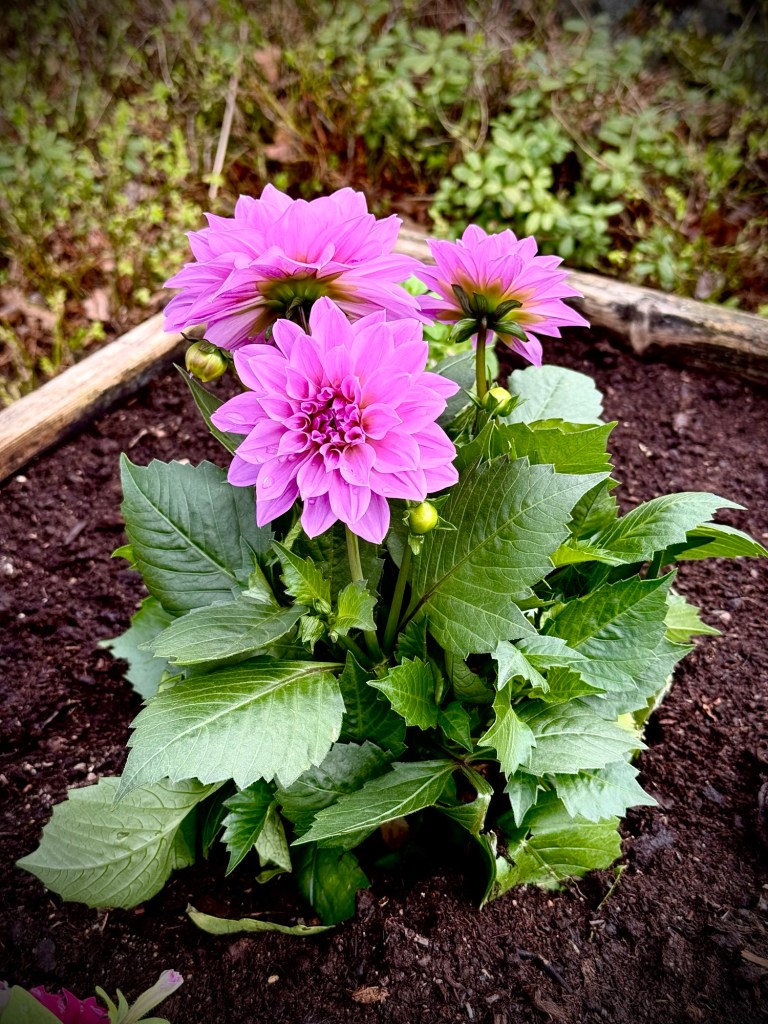
t is far too early for dahlias (dahlia). I know that, and every spring I remind myself of it. Nights can still be cold, the soil barely warmed, and frost is never completely out of the question. And yet, when I saw these two dahlias, already blooming in bright, confident colours, all common sense quietly stepped aside.

They were impossible to ignore. Strong stems, fresh green leaves, and flowers already fully open — a promise of summer standing right there in front of me. I didn’t plan on buying dahlias this early, but plans are easily forgotten when temptation looks this good. So, of course, they came home with me.

Instead of the balcony, I planted them straight at the summer cottage. It felt like the right place for such an early gamble. The days are longer there, the light softer, and even if the nights turn cold, I hope the location will give them a fighting chance. Gardening in the north often feels like a series of small risks taken with crossed fingers. Sometimes they fail, but sometimes they reward you generously.

If all goes well, these two will grow into bright plumes of colour that last all summer. That is the hope, at least. Dahlias are good at rewarding patience — once they get going, they rarely hold back.

ahlias belong to the Asteraceae family and originate from Central America, particularly Mexico. They were originally grown not just for beauty but also for practical uses, long before becoming garden favourites. Today there are thousands of varieties, ranging from small, neat pompons to large, dramatic dinner-plate flowers. Colours cover almost every shade imaginable, from soft pastels to deep, intense reds and purples.

Despite their lush appearance, dahlias are not especially demanding. They like sun, regular watering, and well-drained soil. What they do dislike is frost. In colder climates, tubers usually need to be lifted and stored over winter, making them a seasonal commitment rather than a one-time planting.

That’s part of their charm. Dahlias ask you to be present — to plant, to wait, to protect, and eventually to let go when autumn arrives. For now, though, it’s spring, and optimism comes easily. I’ll keep an eye on the weather forecasts and hope that this early start turns into a long, colourful summer.

Standard
flower, gardening

Hilma

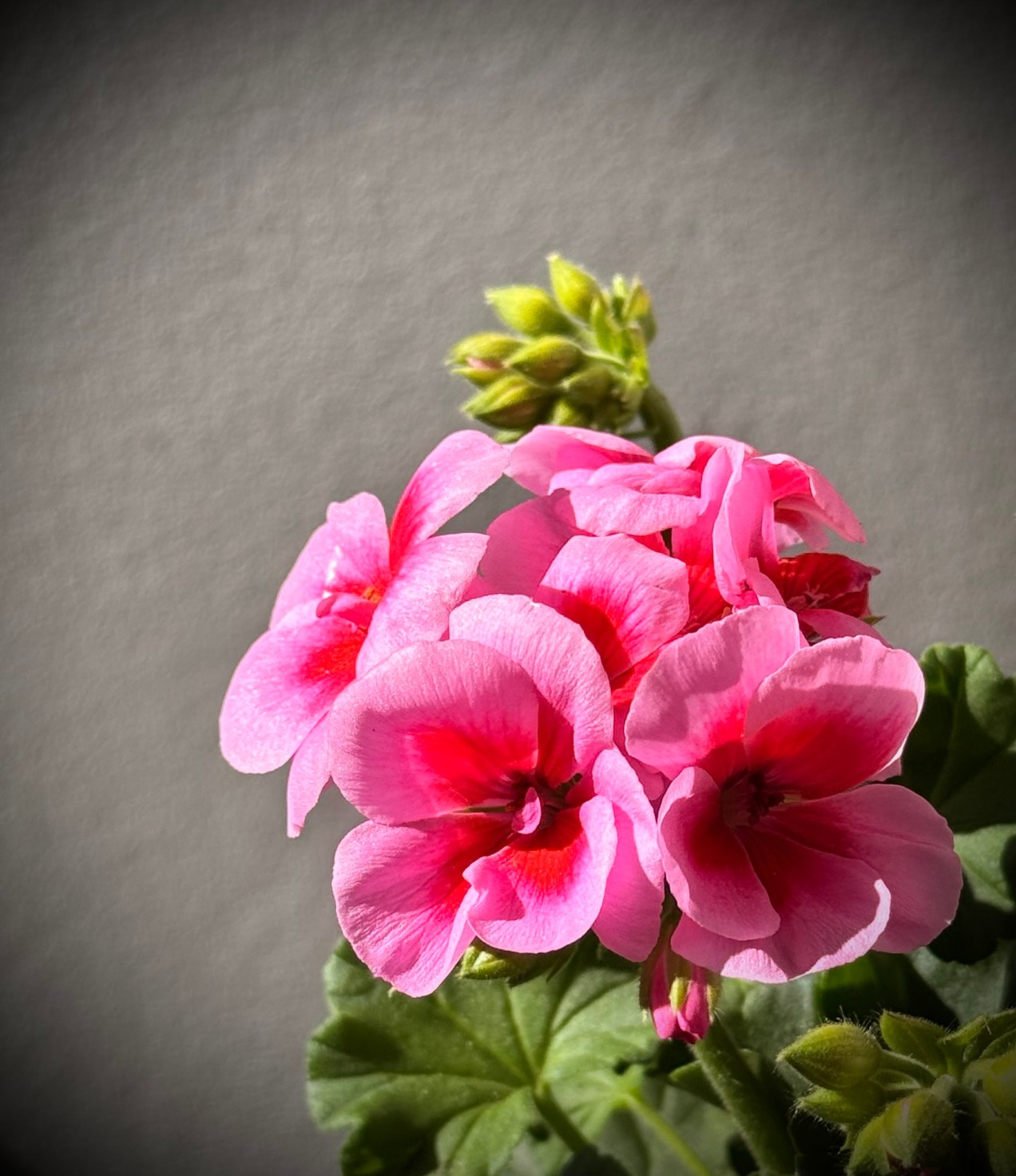
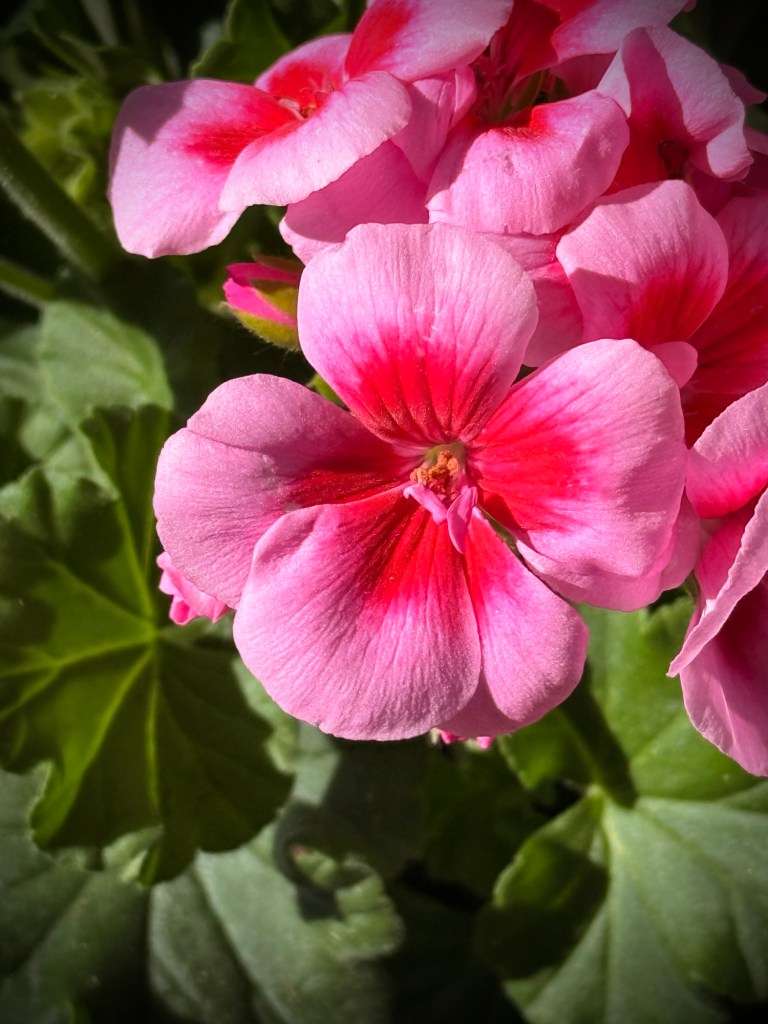
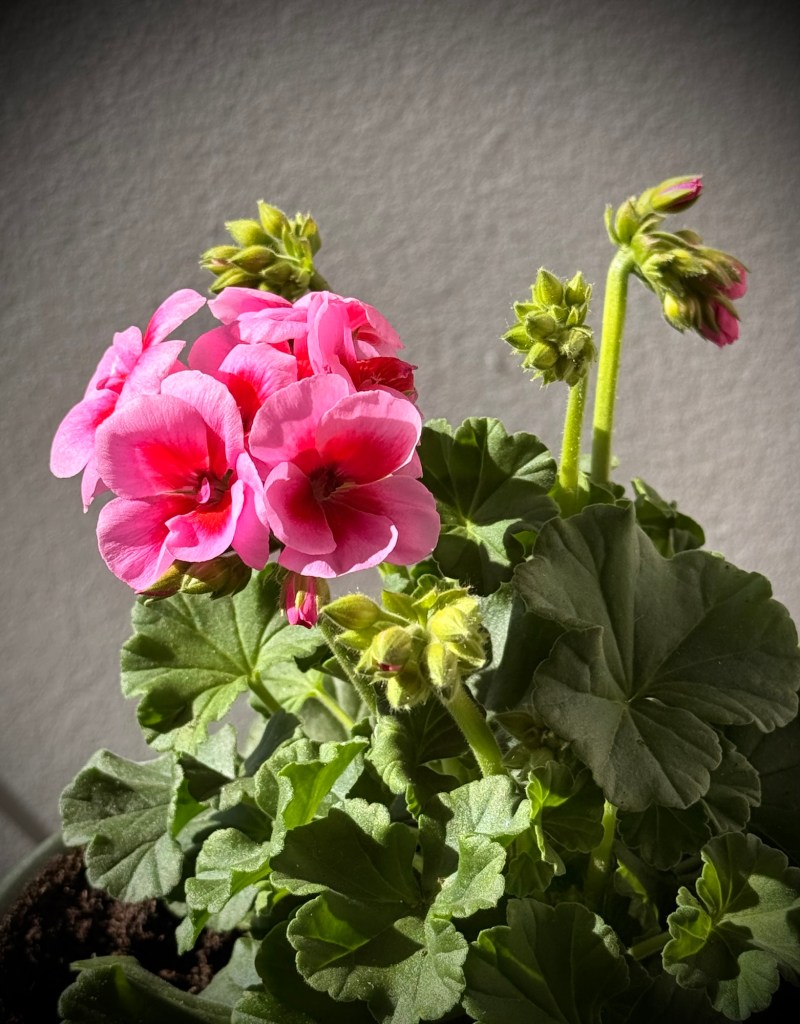
Some plants arrive with a sensible plan behind them, others simply follow the heart. Hilma belongs firmly to the second category. She was not cheap, and I knew that perfectly well while standing there, hesitating just a moment longer than usual. But some colours do that to you. The soft layering, the gentle contrast, the way the petals seem to glow even without direct sunshine — resisting felt pointless. Hilma (Geranium ‘Hilma’) came home with me.

Now she sits on the balcony, where the light shifts slowly through the day. In the mornings, the colours feel cooler and calmer; in the long evenings, they deepen and warm up, almost changing character. This is what I love about geraniums like Hilma — they are never static. They respond to light, temperature, and time in a way that keeps you looking twice.

What draws me to these varieties, again and again, is their reliability. They tolerate cold with remarkable grace, making them ideal companions for northern balconies. Even when nights dip lower and the air feels sharp, they hold on. Six months or more outdoors is not unusual here, and that kind of endurance feels almost generous.

This spring has felt especially full of light. The days stretch endlessly, and even ordinary moments seem brighter for it. Hilma has settled into this rhythm quickly, her foliage healthy and steady, her blooms unhurried but confident. There is no rush — just consistency, day after day.

Sometimes I think that is why I didn’t mind the price after all. Hilma isn’t a fleeting pleasure. She is presence. She stays, she adapts, and she rewards patience. On a northern balcony, surrounded by wind, light, and long evenings, that feels like exactly the kind of plant worth choosing.

Standard
flower, gardening

Sensation

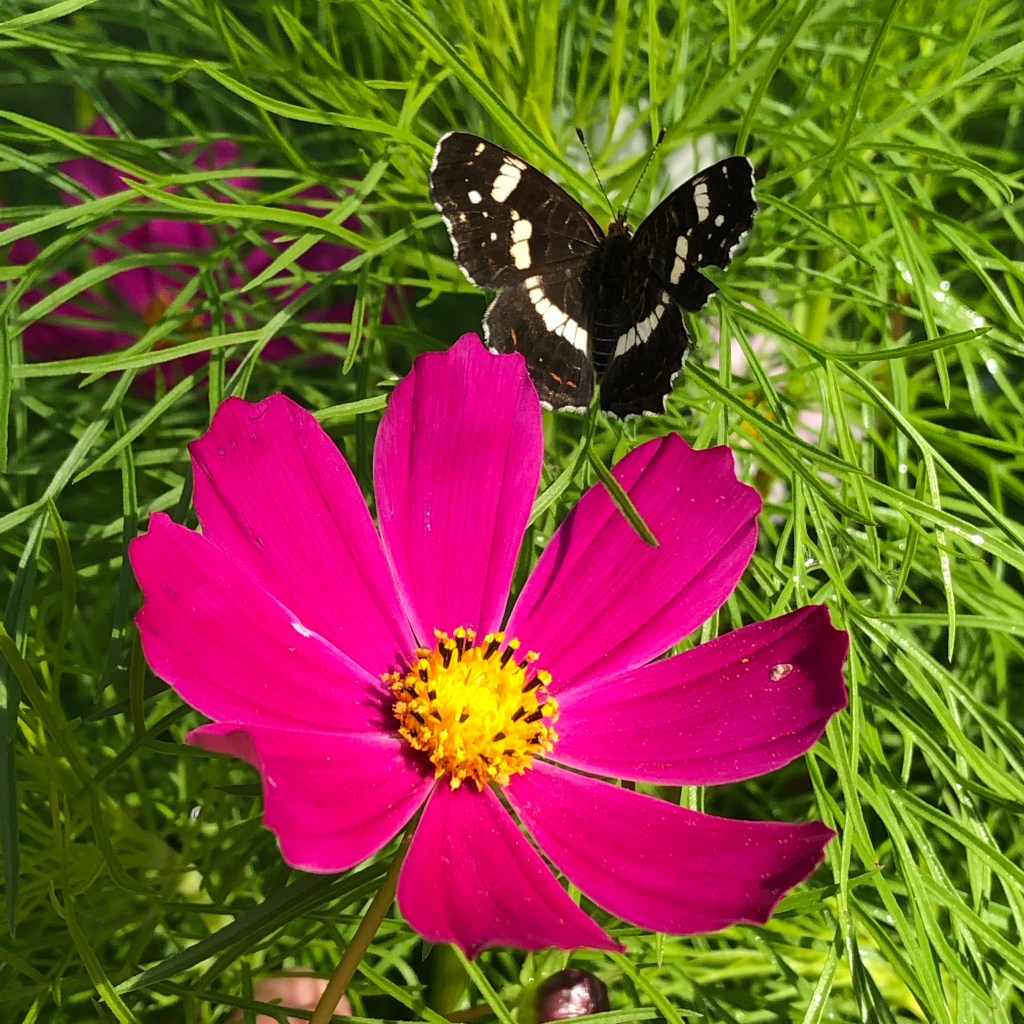
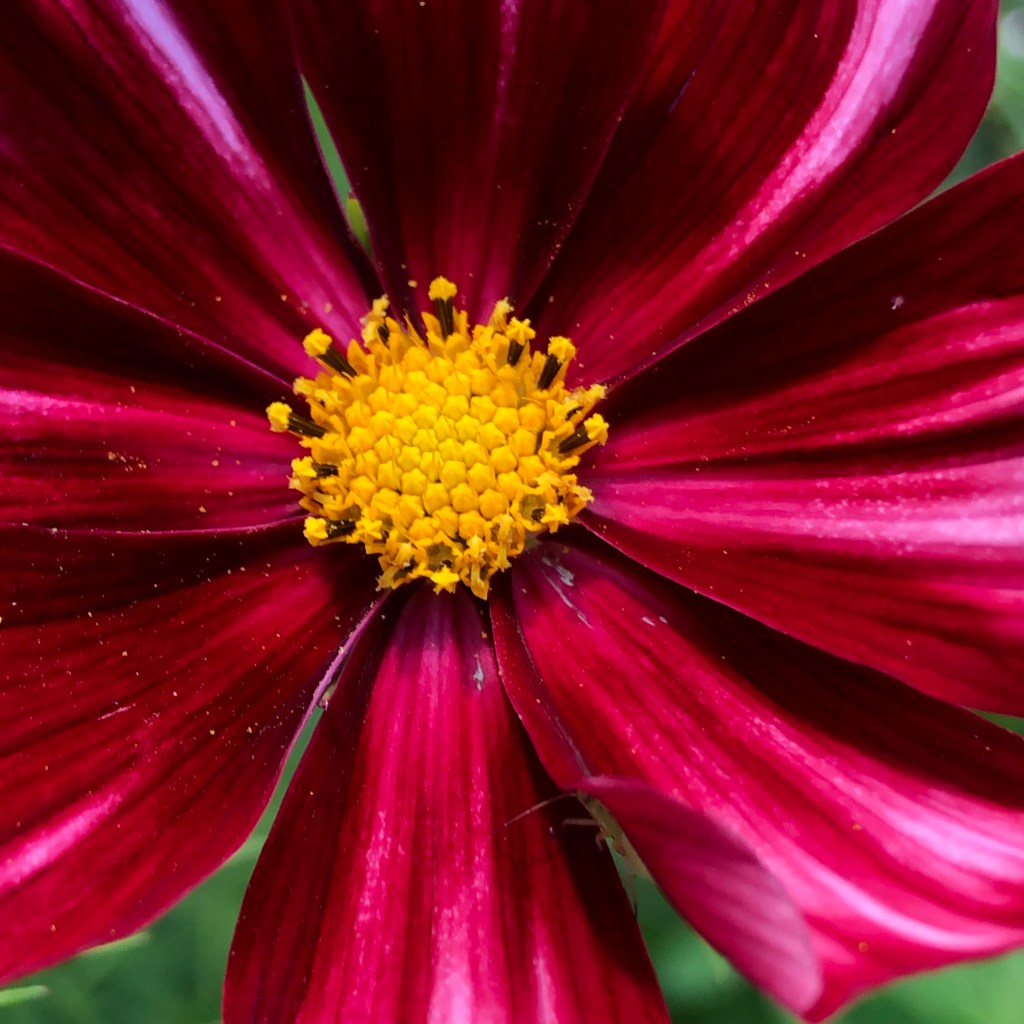
I am usually quite self sufficient when it comes to the Sensation (Cosmos bipinnatus ‘Sensation’) seeds but this spring bought some to ensure that all the color varieties are there.

Cosmos likes the warmth and this summer has been good to them.

Sensation grows and blooms quickly which is good for the short summers we have.

Standard
flower, gardening

Chives

Up here in the north the days are now long. The sun goes down at 11 PM and comes up at half past 3 AM. We are also enjoying a heatwave temperatures reaching 30 degrees Celsius.

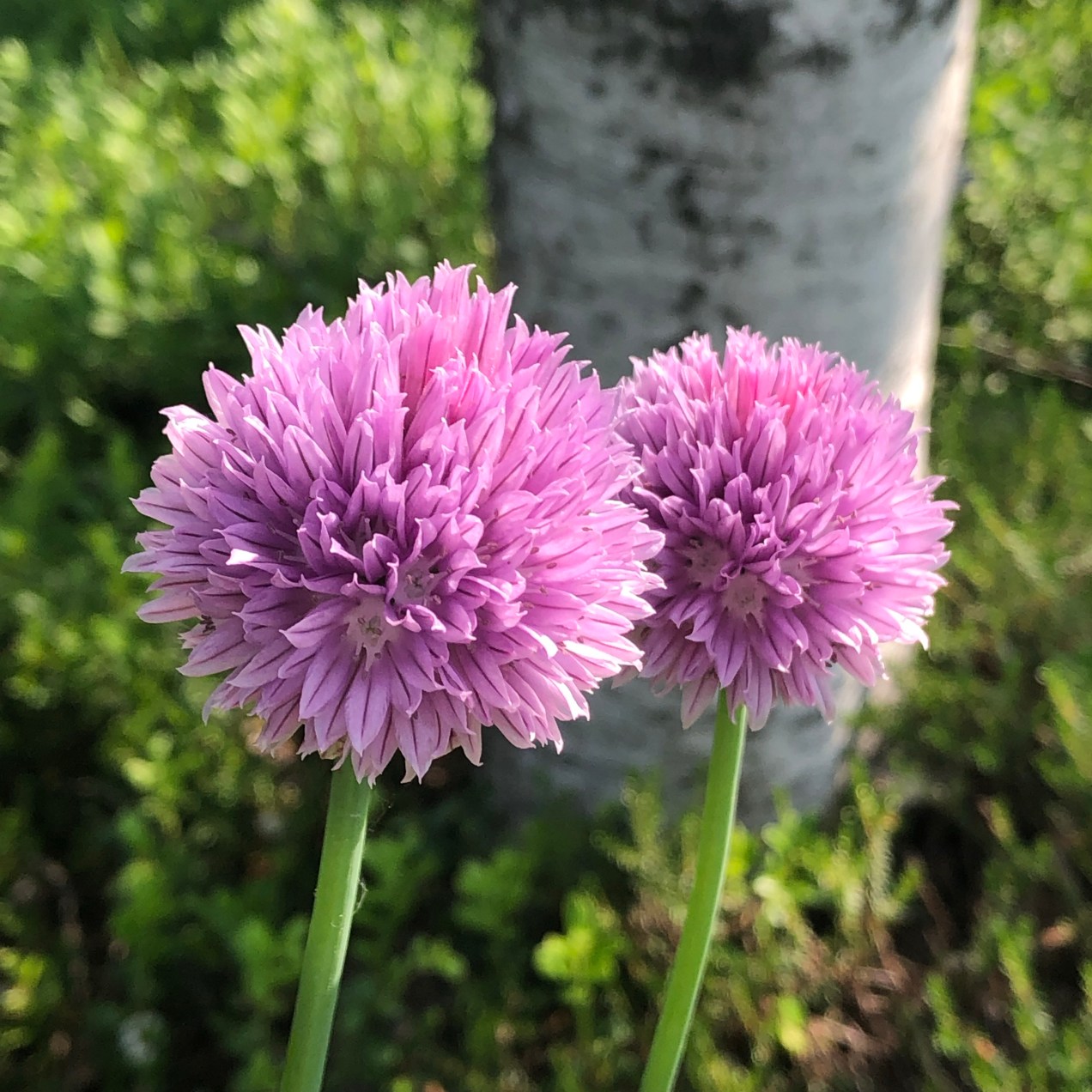
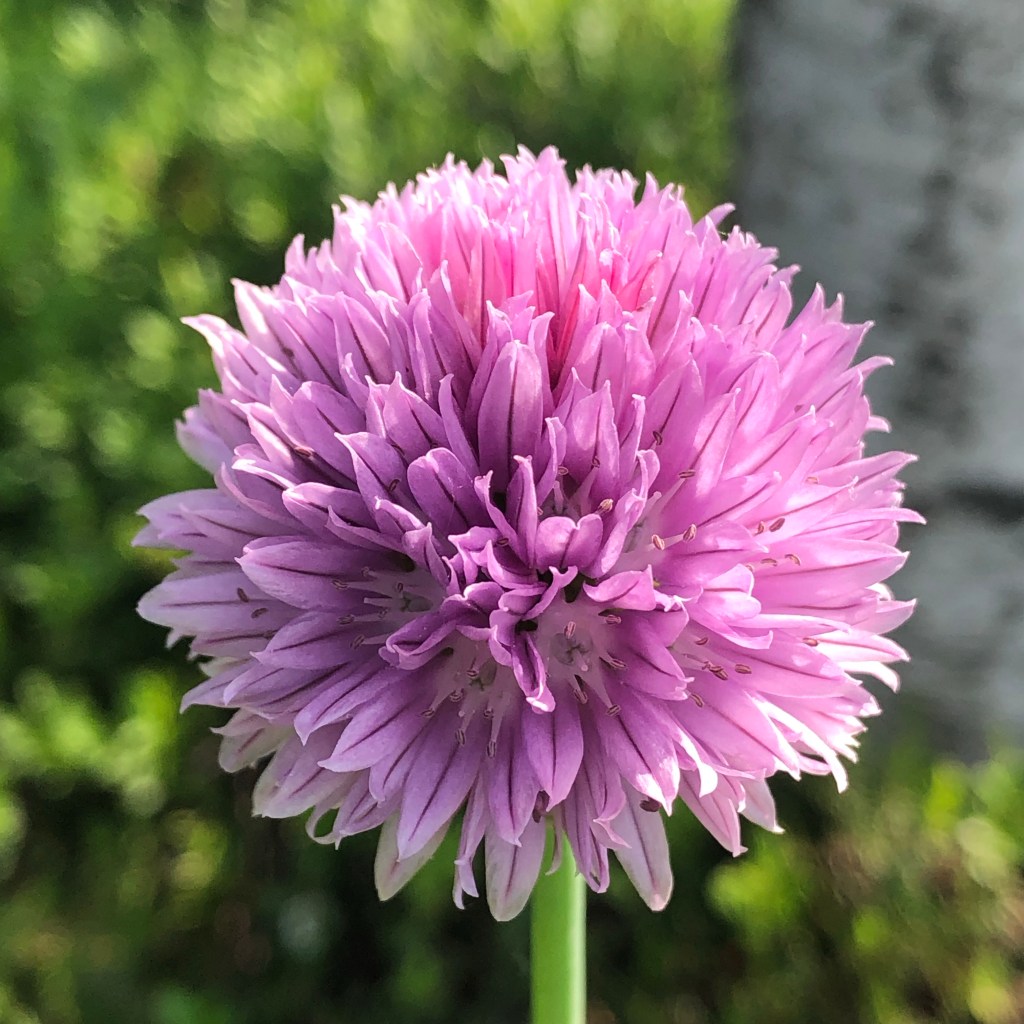
Chives (Allium schoenoprasum) are now blooming beautifully. In May I collected some to the freezer and now I am able to enjoy the blooms.

I treat chives as flowers and have it here and there in the flowerbeds. Like their blooms and the taste as well.

The bumblebees are also big fans of chives blooms. In other words a wonderful plant – edible, blooms nicely and is bee friendly.

Standard
gardening

Nova Zembla

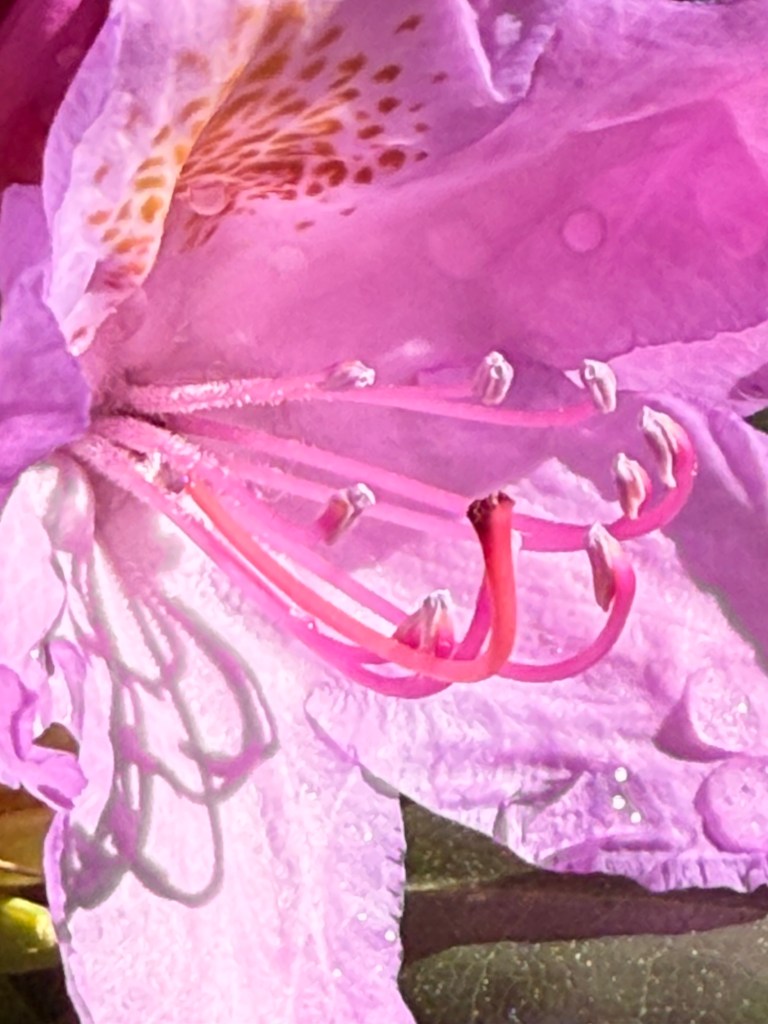
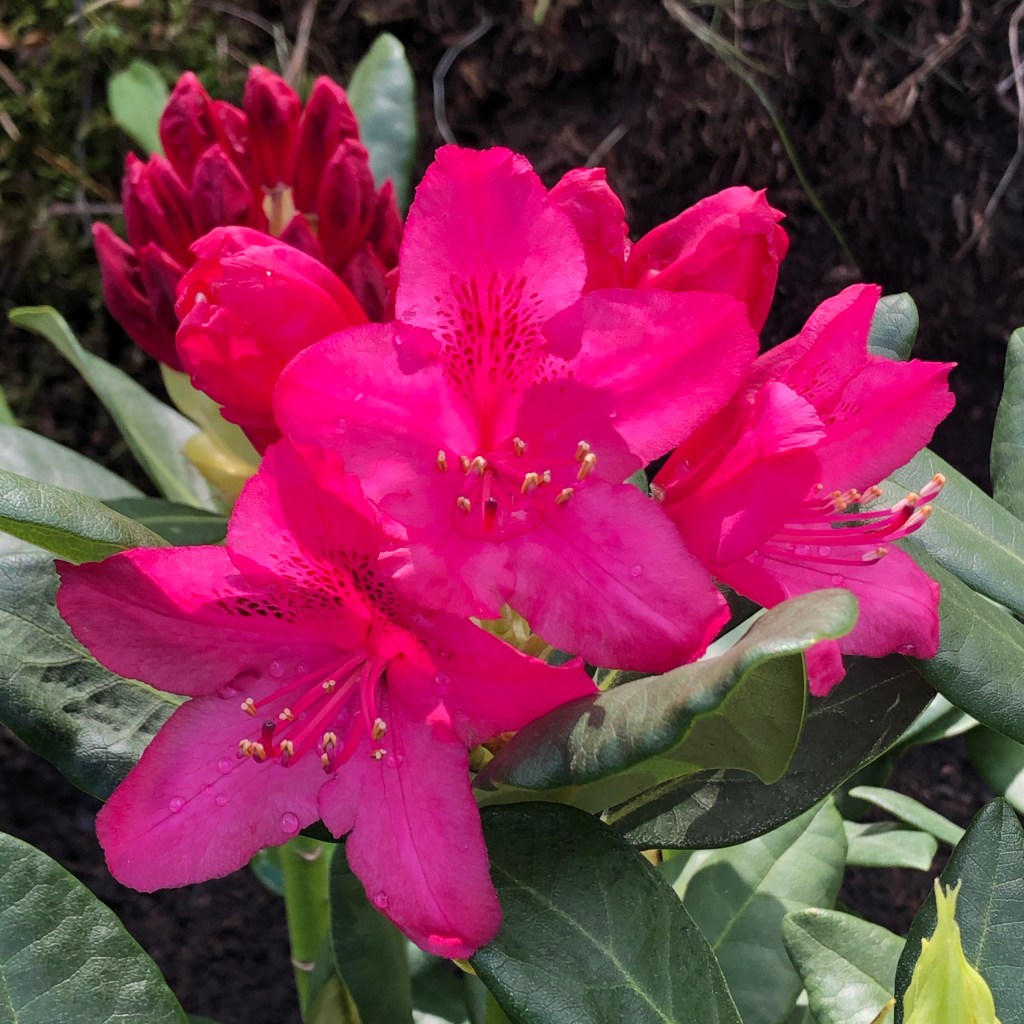
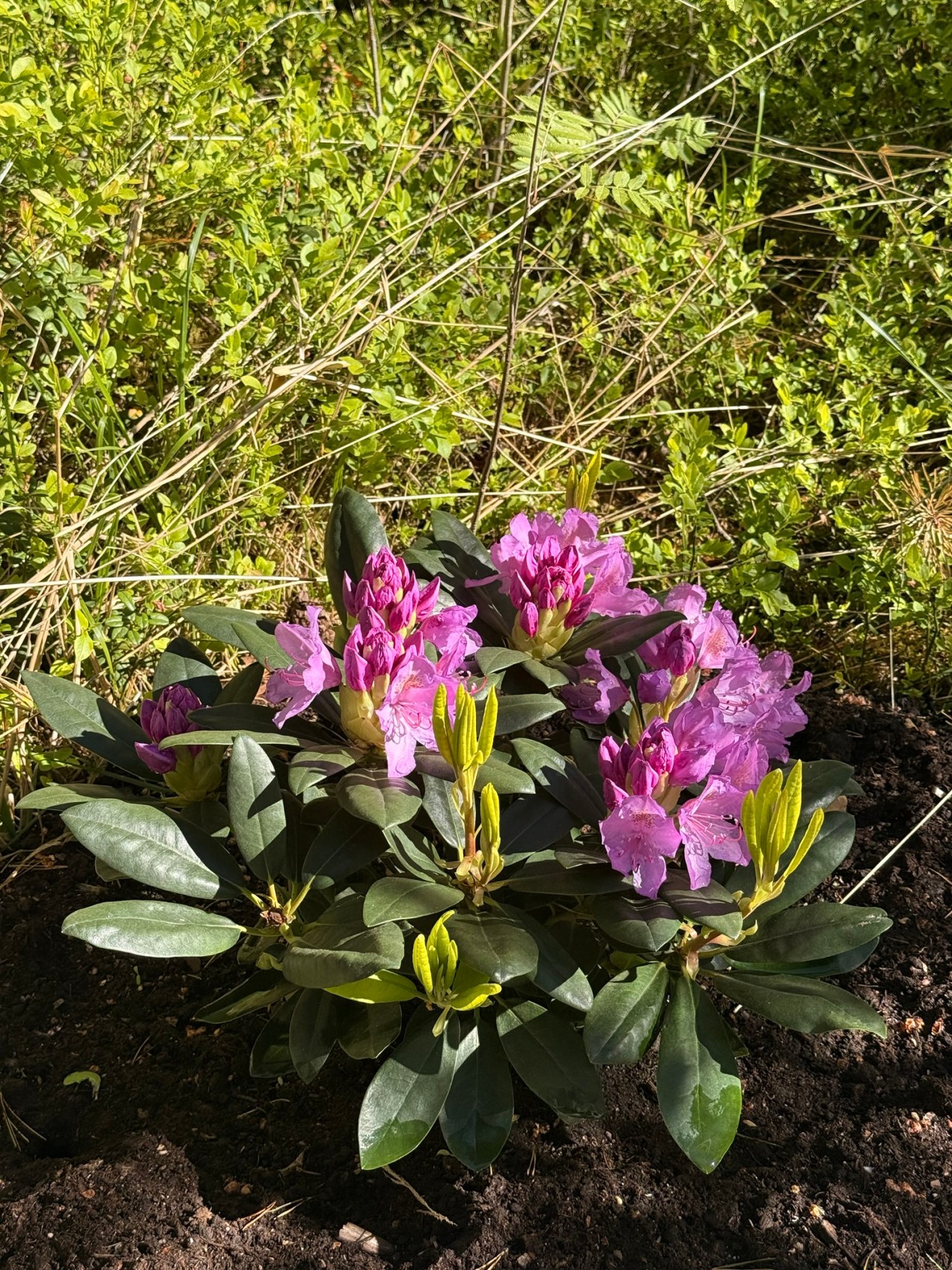
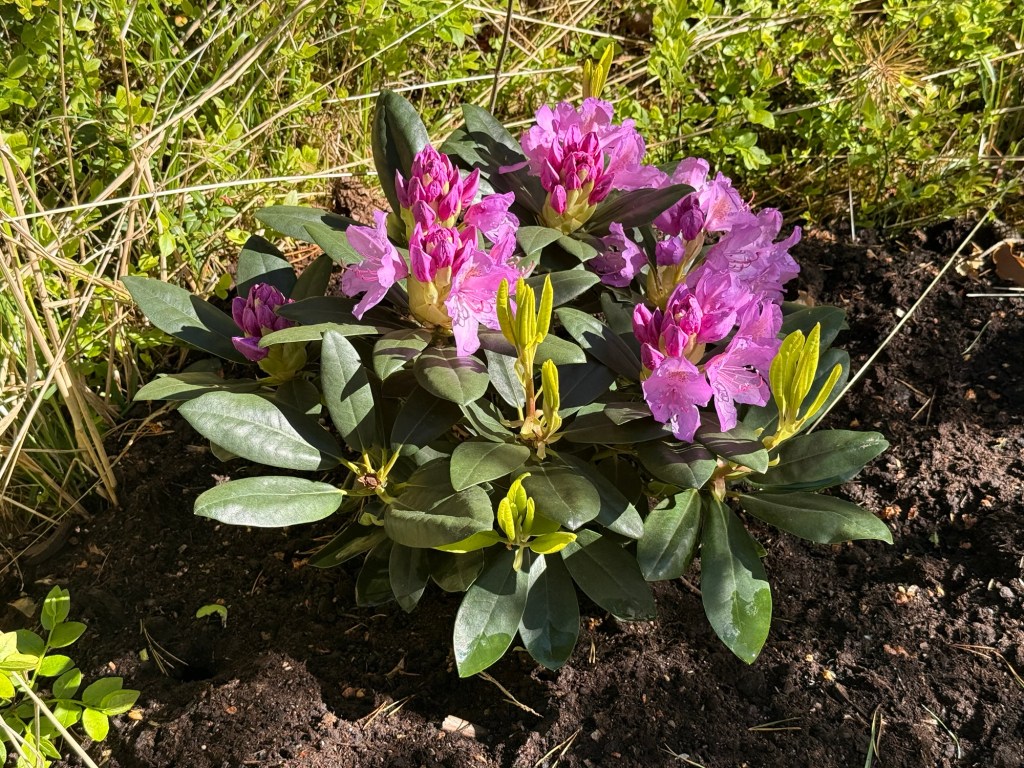
Something new for the garden. Bought two Nova Zemblas (Rhododendron ‘Nova Zembla’) to the summer cottage.

Fell in love with the bright color they have.

The location is a bit too north for them but decided to give it a try. It usually depends on the amount of snow fall how well they do during the winter. Enough snow protects them from the coldness.

Standard
flower, gardening

Flaming Flag

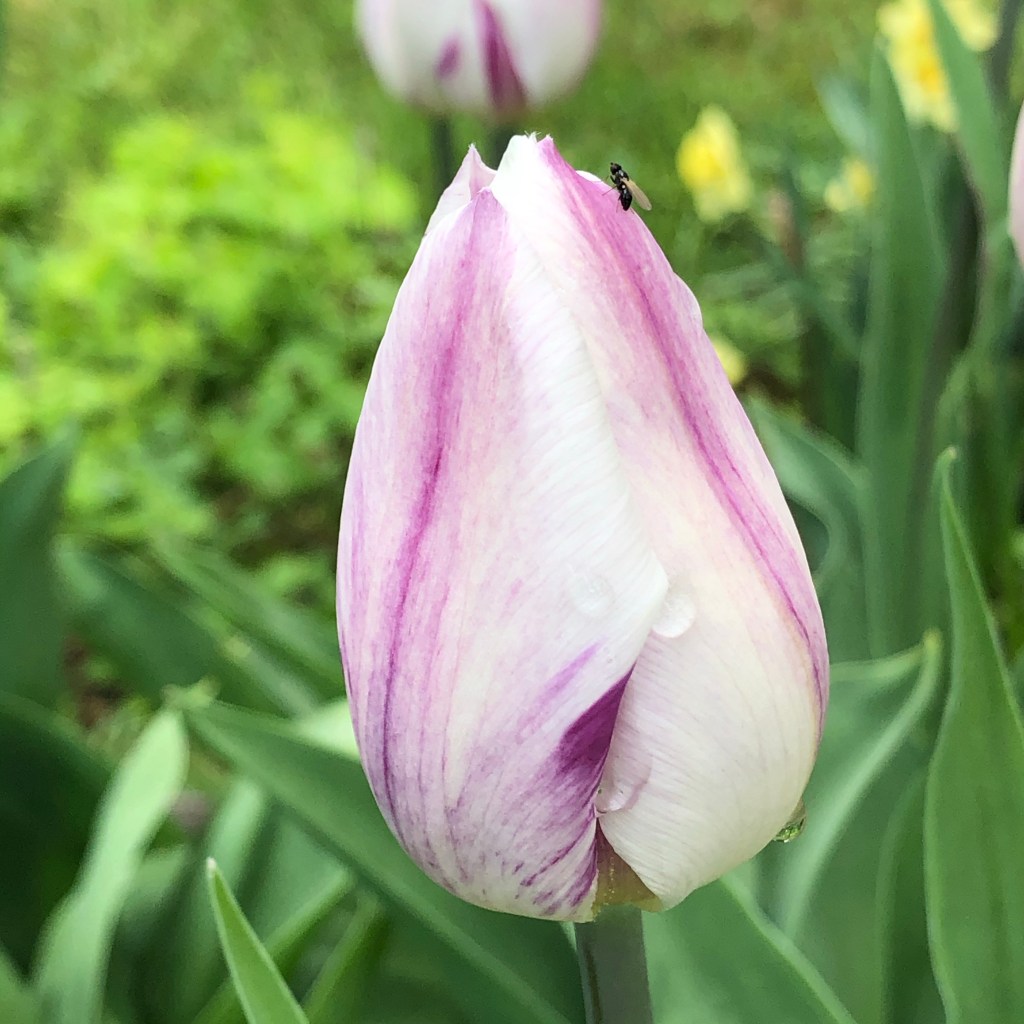
The Flaming flags (Tulipa ‘Flaming flag’) are doing well. This is a third good year in a row for them.

When I bought the bulbs I was not sure how Triumph tulips would do up here in the north but they seem to be just fine.

They are strong and sturdy. Even though the weather has not been ideal for them they still manage to look good and untouched.

Standard
flower, gardening

Olympia

Columbine Olympia (Aquilegia ‘Olympia’) also called Lapland’s Aquilegia is always the one that blooms first. Way too earlier than the other aquilegias.

Even though it is a low growing variety it has big blooms and lots of them.

I only have this one plant and have been trying to grow more from the seeds but without success this far.

Standard