flower, gardening

Violet

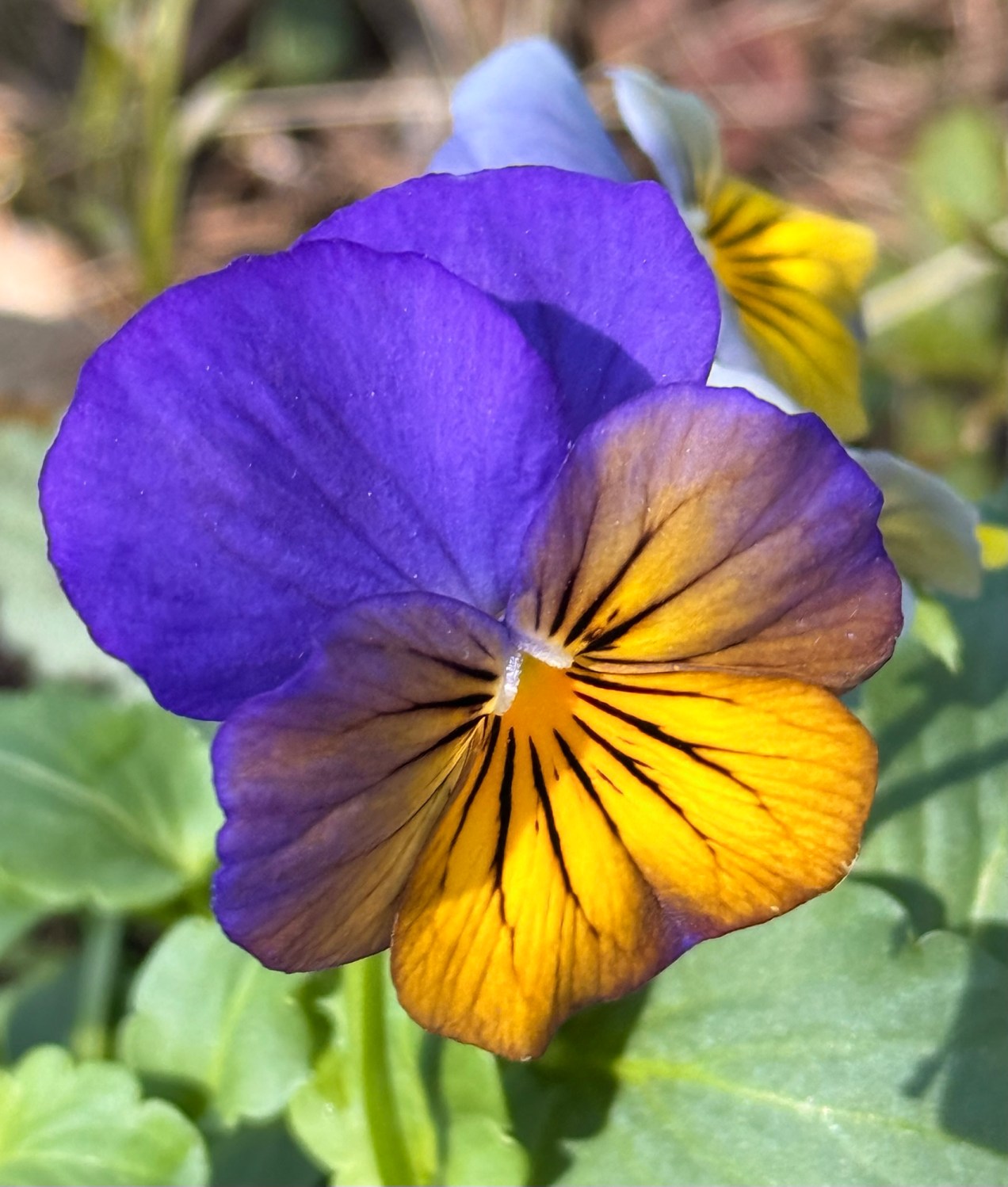
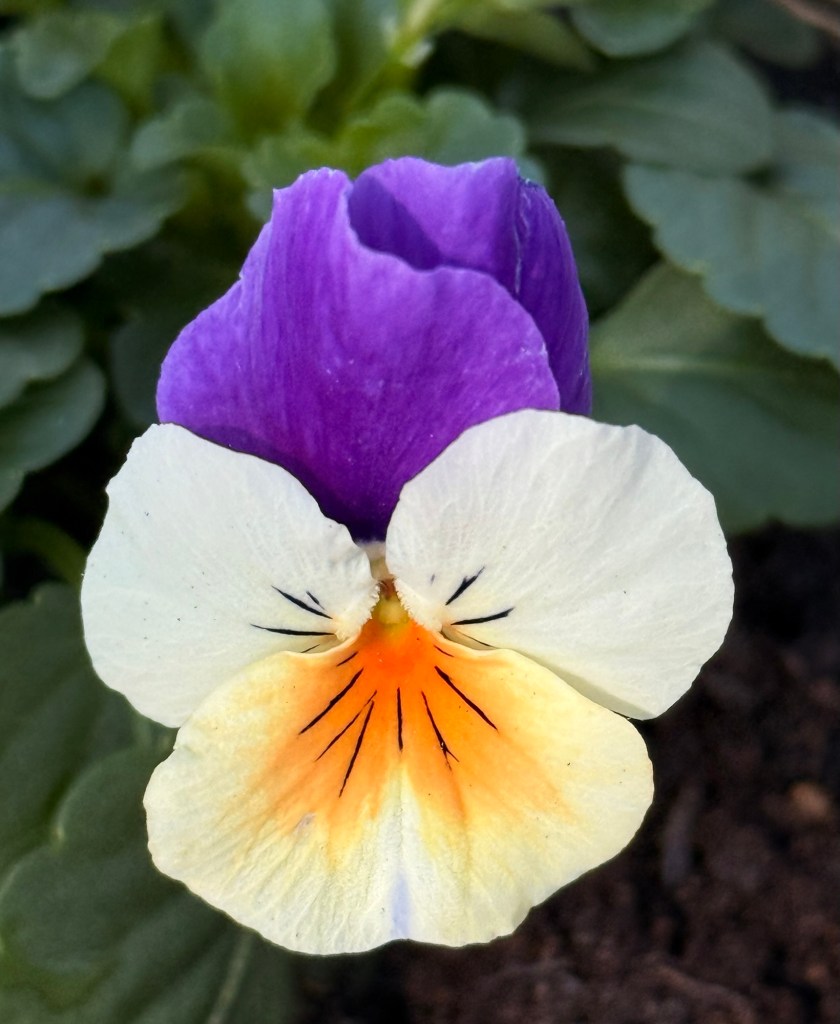
Every spring brings the same quiet but important question: what kind of violets should I choose this year? Violets are often the very first flowers that mark the beginning of the season, and somehow the choice always feels bigger than it should. Small flowers, perhaps, but they carry the whole promise of spring with them.

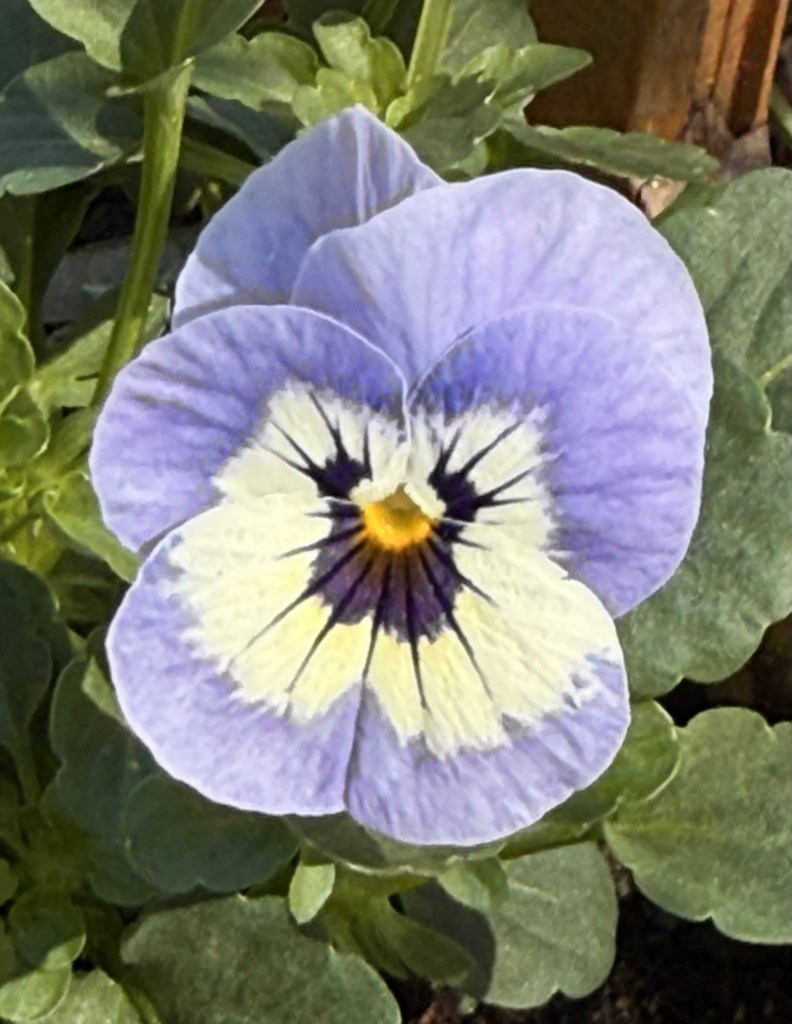
This year, there were so many beautiful options available. The tables were full of familiar faces – deep purples, soft yellows, delicate pastels – but for reasons I can’t fully explain, it was the bluish tones that drew me in. Cool, calm, and slightly muted, they felt right for this spring. I didn’t notice any truly new colors this time, but that wasn’t disappointing. Sometimes it’s comforting to return to shades you already know and trust.

Violets (viola) are not demanding plants. They settle in easily, tolerate cool days, and just keep flowering. Once planted, they seem content to do their own thing, quietly blooming day after day without asking much in return. That reliability makes them ideal spring flowers, especially after a long winter.

Now they are in place at the summer cottage, brightening up the early season when little else is in bloom. It didn’t take long before they were noticed. Bumblebees were the first visitors, heavy and focused, followed soon by butterflies drifting lightly from flower to flower. Seeing life return so naturally always feels reassuring.

Violets may not shout for attention, but they are always present, always working, always blooming. And once again, they have taken their rightful place as the starting point of spring.
Standard
gardening

Borlotto Lingua di Fuoco Nano

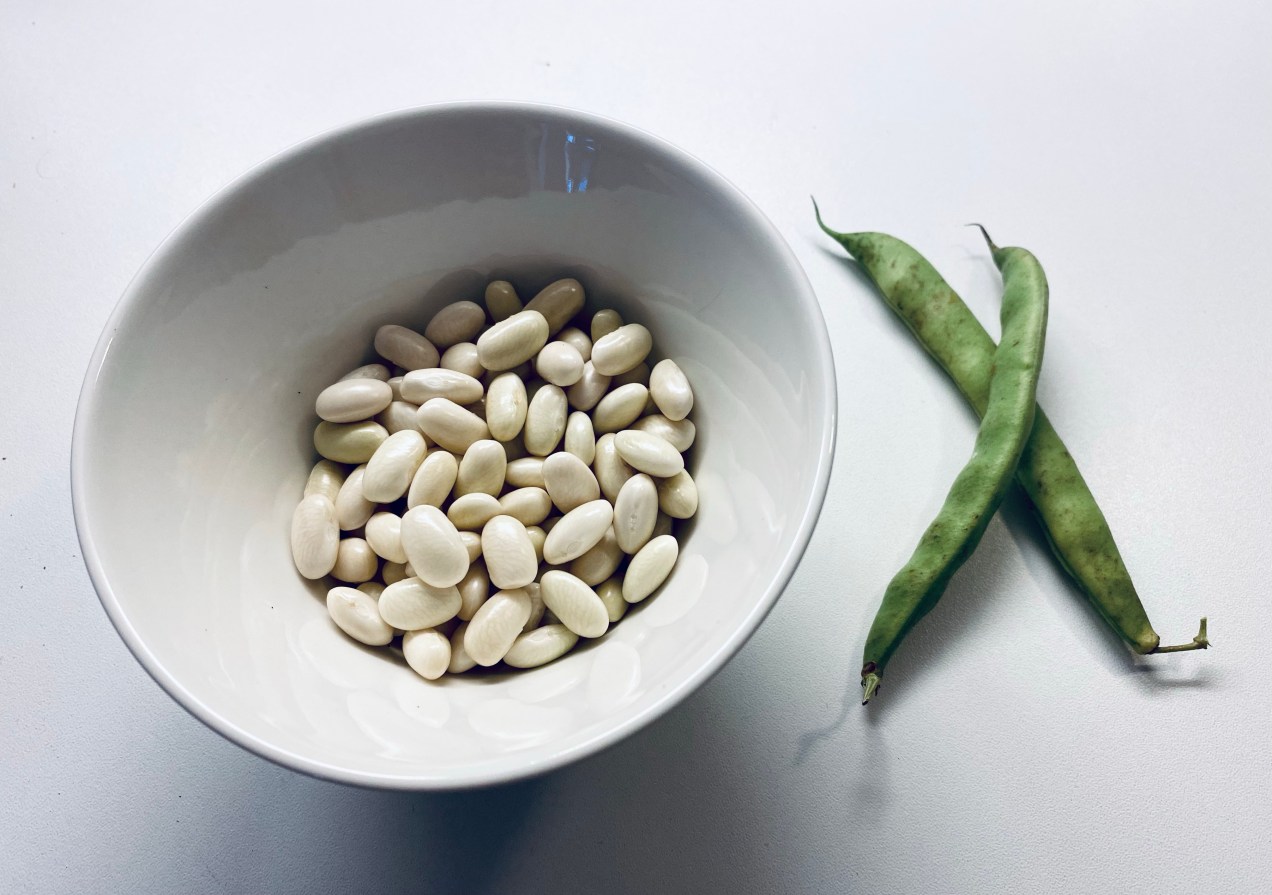
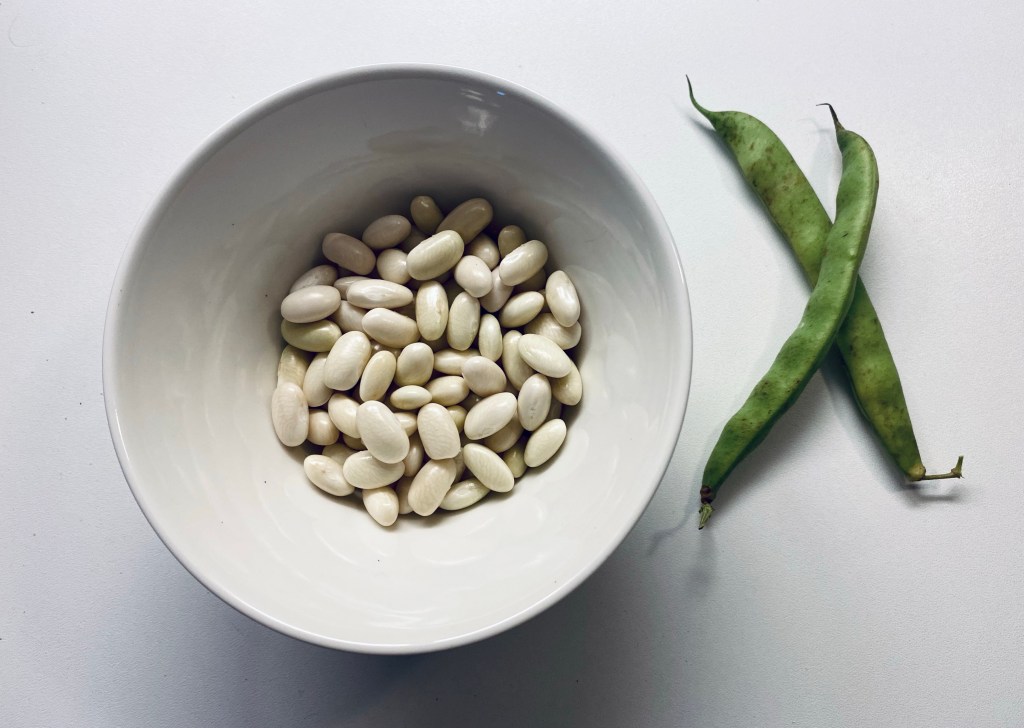
Because of the rapidly cooling nights I was forced to collect the bean harvest a bit earlier than I wished. They could have used two more weeks to ripe.

Borlotto Lingua di Fuoco Nano (Phaseolus vulgaris ‘Borlotto Lingua di Fuoco Nano’) is the other bean variety I tried this year for the first time. They grew well and going to continue to grow them next year as well. I like the way they look and the unique coloring they have.

This variety is also called with the name Tongue of fire. There seem to be several different recipes what to make out of the beans. Cannot wait to try some of them.

Standard
gardening

Prelude

I have never tried to grow beans before. Out of curiosity planted two different varieties in the spring.

It is said that beans are sensitive to cold nights when sewn but despite being put into the ground a bit early they made it.

Prelude (Phaseolus vulgaris ‘Prelude’) made a fair crop in the end and cannot wait to taste them. Though must save some seeds to next year.

Standard
gardening

Golden Chanterelle

We have been enjoying a heatwave which has now already lasted four weeks. Luckily I am having my summer vacation and spending the time in the summer cottage next to a lake.

I, for sure, have spent the time swimming and enjoying the short summer we have up here in the north.

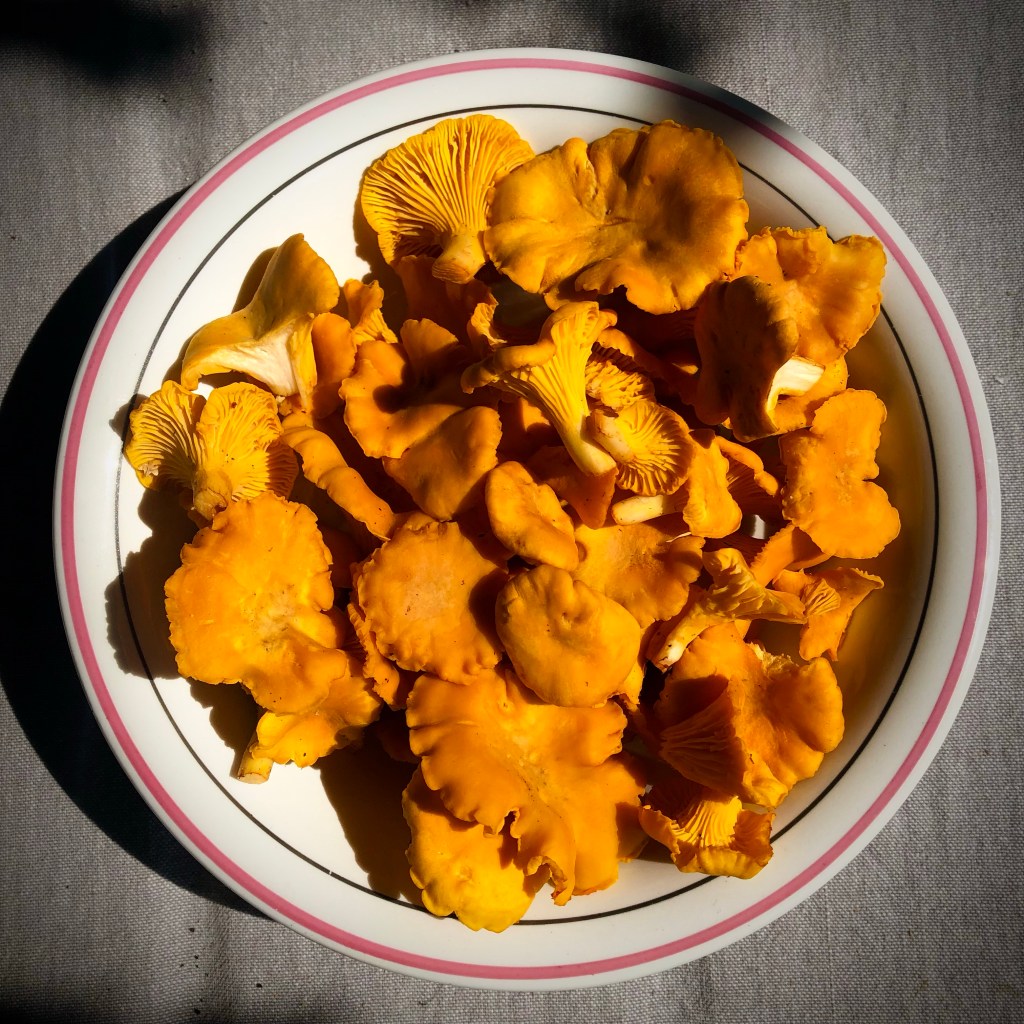
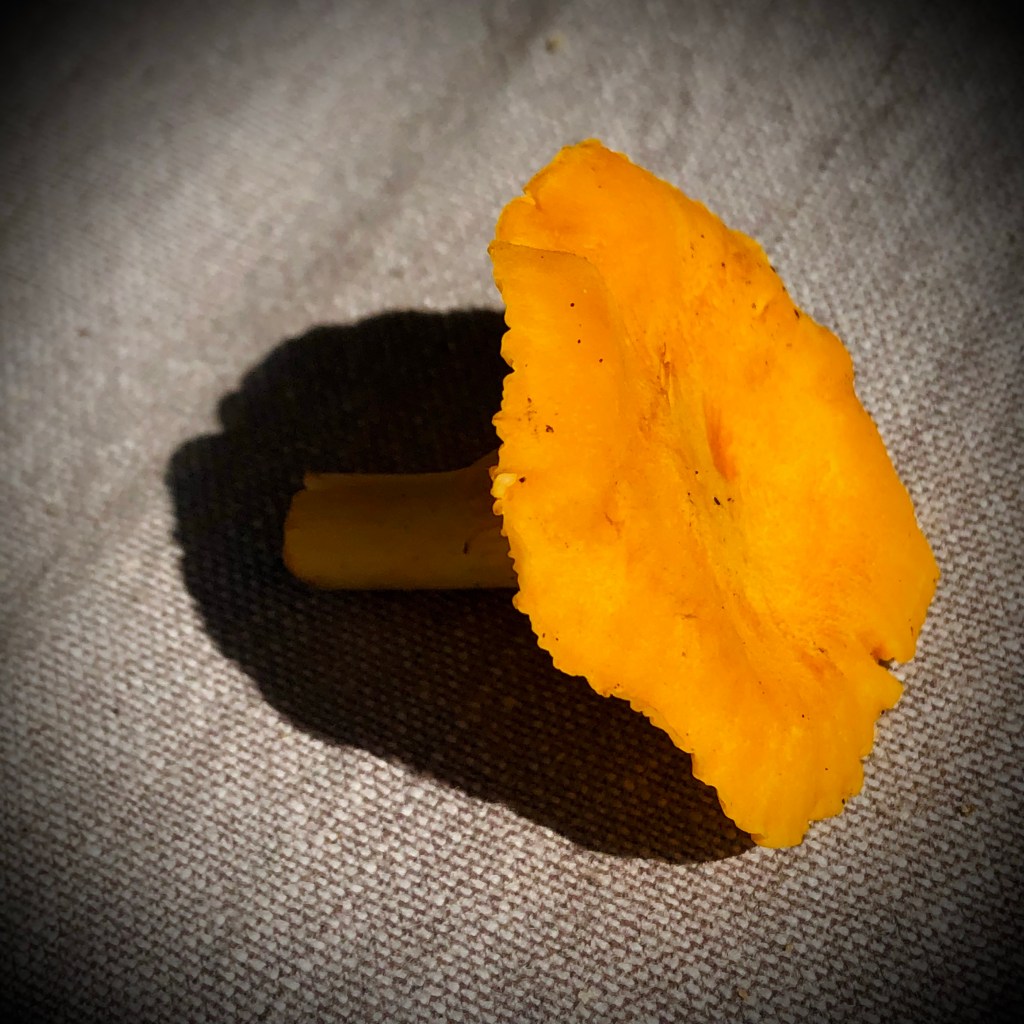
It has been too warm and dry for Chanterelles (Cantharellus cibarius) but I know the place where they usually grow and spend some time watering the area.

Now I am getting my reward, delicious mushrooms to cook.

Standard
flower, gardening

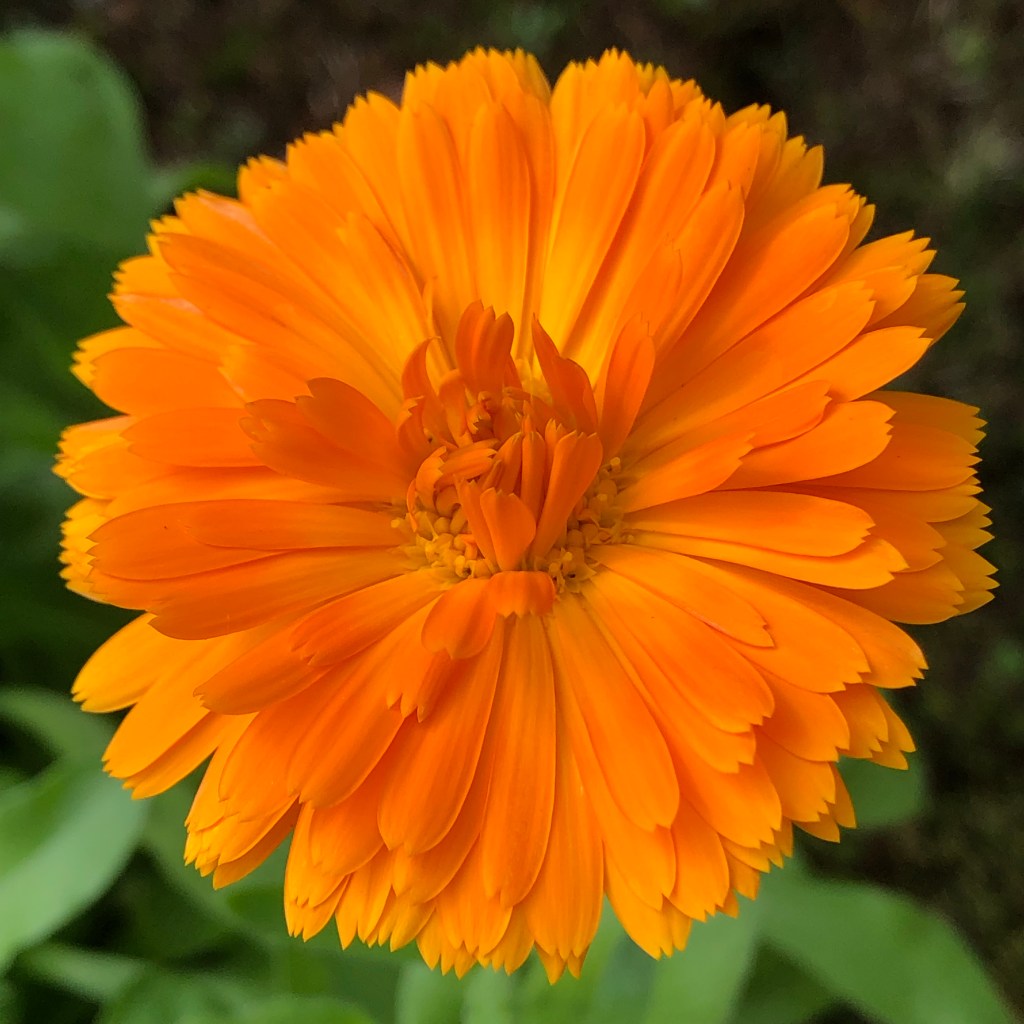
Erfurter Orangefarbige

Erfurter Orangefarbige (Calendula officinalis ‘Erfurter Orangefarbige’) is a variety of calendula bred specifically for its medicinal virtues – astringent, vulnerary and anti-inflammatory. An ancient remedy for dermal wounds and irritation.

This variety of Pot Marigold is easy to grow and blooms early. I have other varieties planted as well but those are not even close to blooming.

My plan is to use the flower pedals for meals, just to bring some color.

Standard
flower, gardening

Blue Pepe

I seldom grow Nasturtiums because they are quite sensitive to frost. This year I made an exception.

Got a pack of edible flower seeds from a friend and it had Blue Pepe (Tropaeolum majus ‘Blue Pepe’) seeds. The seeds ended up to a pot and grew well.

Blue Pepe is a variety bred specifically for culinary use. The name is derived from its steel-blue leaves with purplish undersides.

The taste was a complete surprise to me when I ate the first leave today. I would describe it as peppery and I liked it very much.

I am also fond of the way Blue Pepe grows. It stays small and the leaves have nice color. I think this has just become a must have flower for me.

Standard
flower, gardening

Chives

Up here in the north the days are now long. The sun goes down at 11 PM and comes up at half past 3 AM. We are also enjoying a heatwave temperatures reaching 30 degrees Celsius.

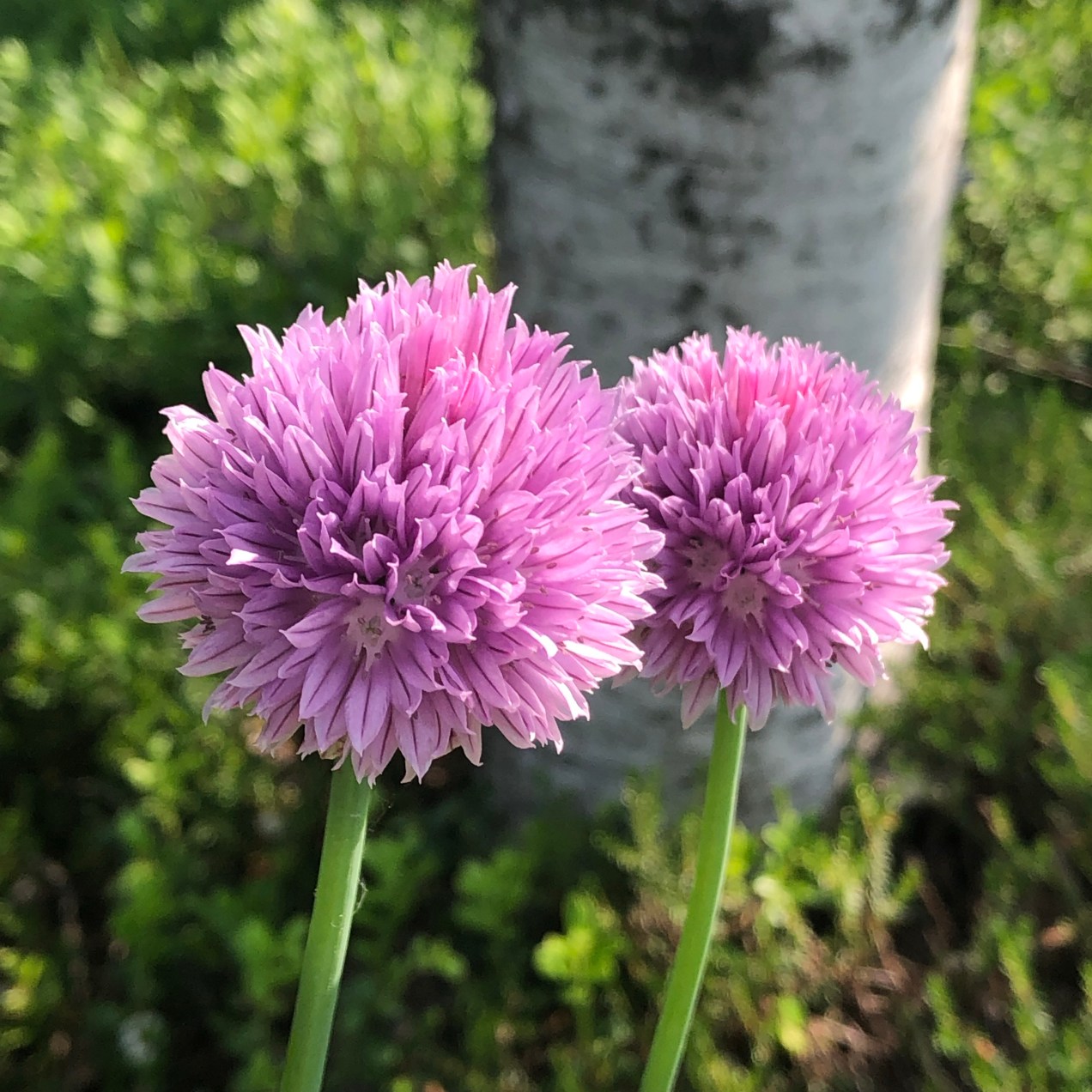
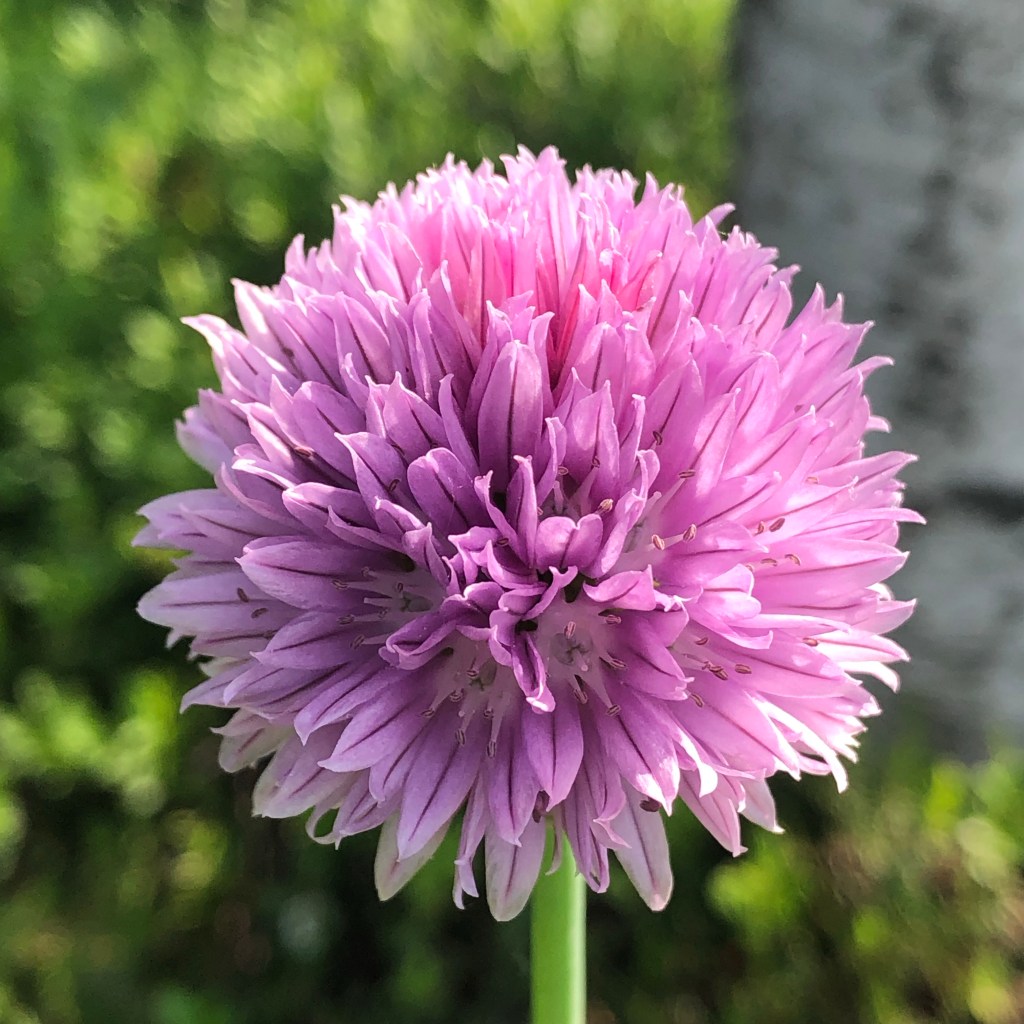
Chives (Allium schoenoprasum) are now blooming beautifully. In May I collected some to the freezer and now I am able to enjoy the blooms.

I treat chives as flowers and have it here and there in the flowerbeds. Like their blooms and the taste as well.

The bumblebees are also big fans of chives blooms. In other words a wonderful plant – edible, blooms nicely and is bee friendly.

Standard