gardening, flower

Sunflower

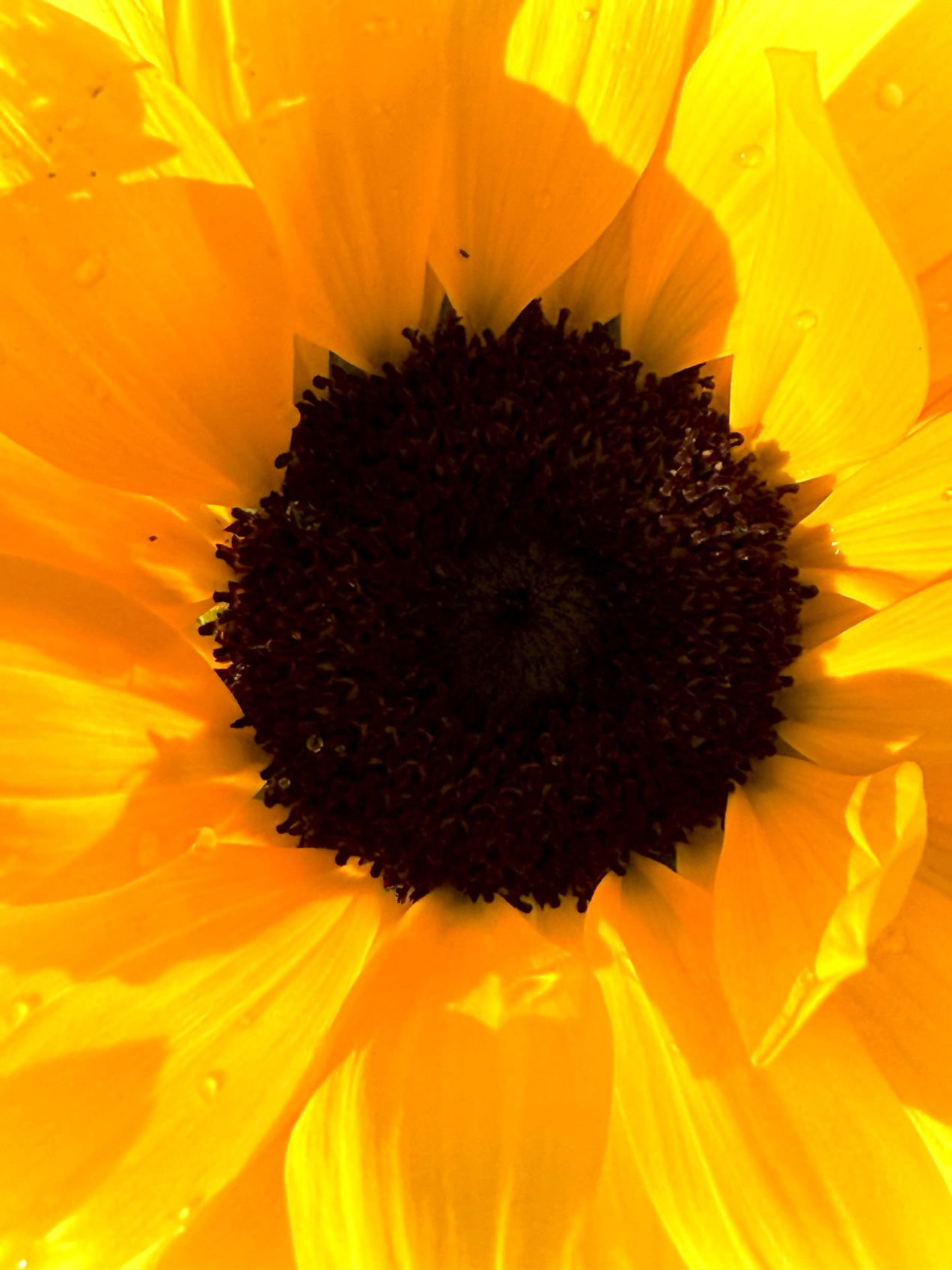
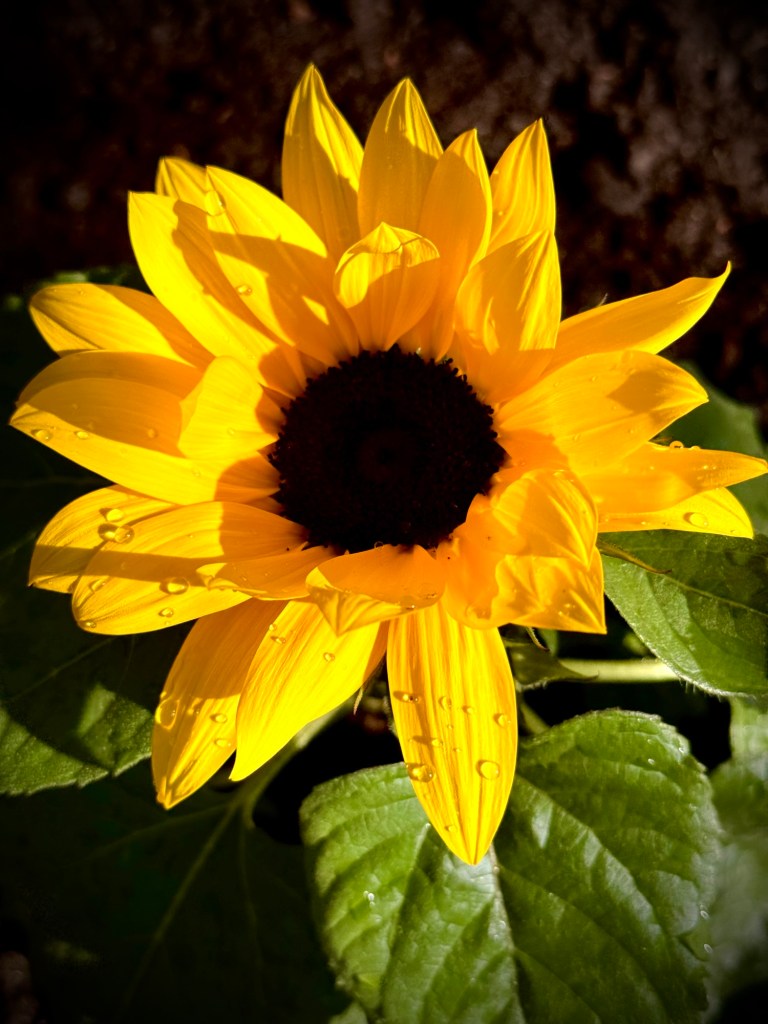
Up here in the north, sunflowers (Helianthus annuus) are not something I buy very often. Not because I don’t like them—quite the opposite—but somehow they feel like a plant made for warmer places, long summers, and endless sunshine. Our season is shorter, more uncertain, and I’ve always wondered if they truly settle in here the way they should.

A few days ago, though, I noticed them at the garden centre. Tall, confident, already in bloom—bright yellow faces turning gently toward the light. They stood there like small pieces of summer itself. I paused, of course. Admired them. But the price tag made the decision easy enough: I walked away.

Or so I thought.

When I returned a few days later, things had changed. The same sunflowers were still there, but now slightly wilder, a little less polished—and marked down. The kind of quiet invitation that is hard to resist. This time I didn’t hesitate for long. I brought home two plants and suddenly I was carrying a bit of that golden warmth.

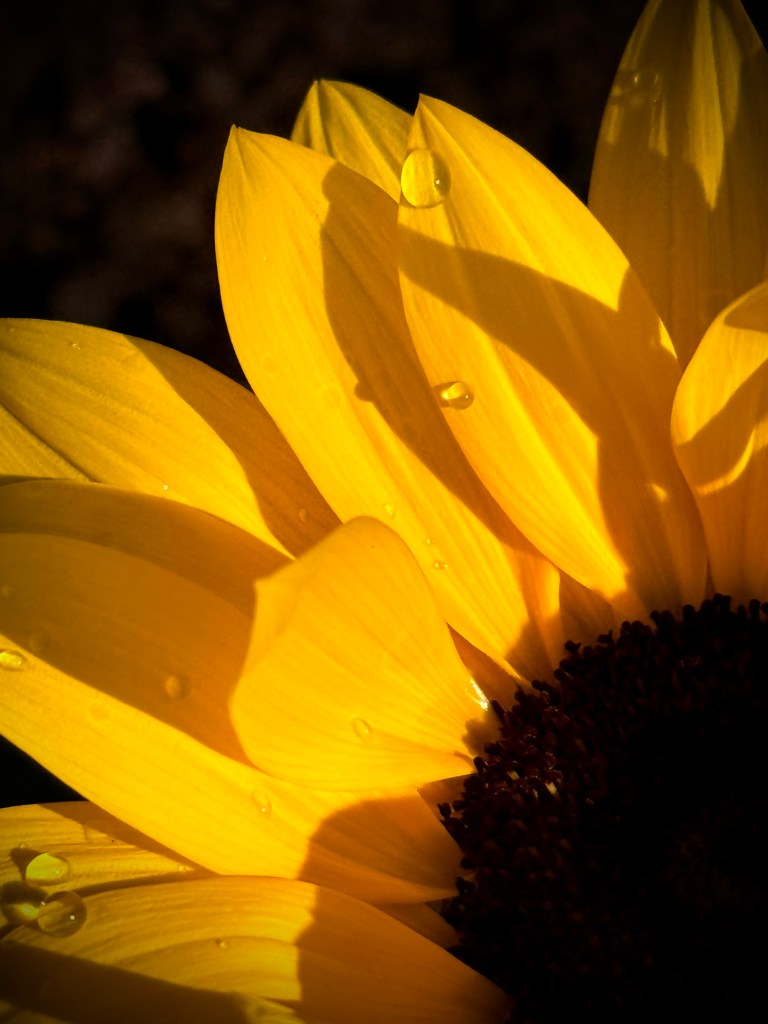
This variety is especially lovely. Instead of a single large flower, it produces many blooms—branching out into smaller, softer “plumes” of yellow. It feels lighter somehow, less formal than the traditional tall sunflower with its bold central disk. There’s something generous about it, the way it flowers again and again.

They’ve now been planted at the summer place, where the light is open and the evenings long. Even in these northern conditions, they already seem at ease, catching the sun whenever it appears and holding onto it.

Sunflowers, in general, are surprisingly adaptable. Although they are often associated with heat, they are fast growers and can manage well if given enough light and a sheltered spot. Their roots run deep, and once established, they carry a certain resilience—something I perhaps underestimate every year.

And there is something else about them too. They bring a different kind of mood into the garden. Not delicate like violets or nostalgic like geraniums, but cheerful, almost bold. They don’t ask quietly for attention—they offer it freely.

So perhaps I will not wait so long next time. Even here, even in the north, there is room for a little more sunlight.

Standard
flower, gardening

Petunia

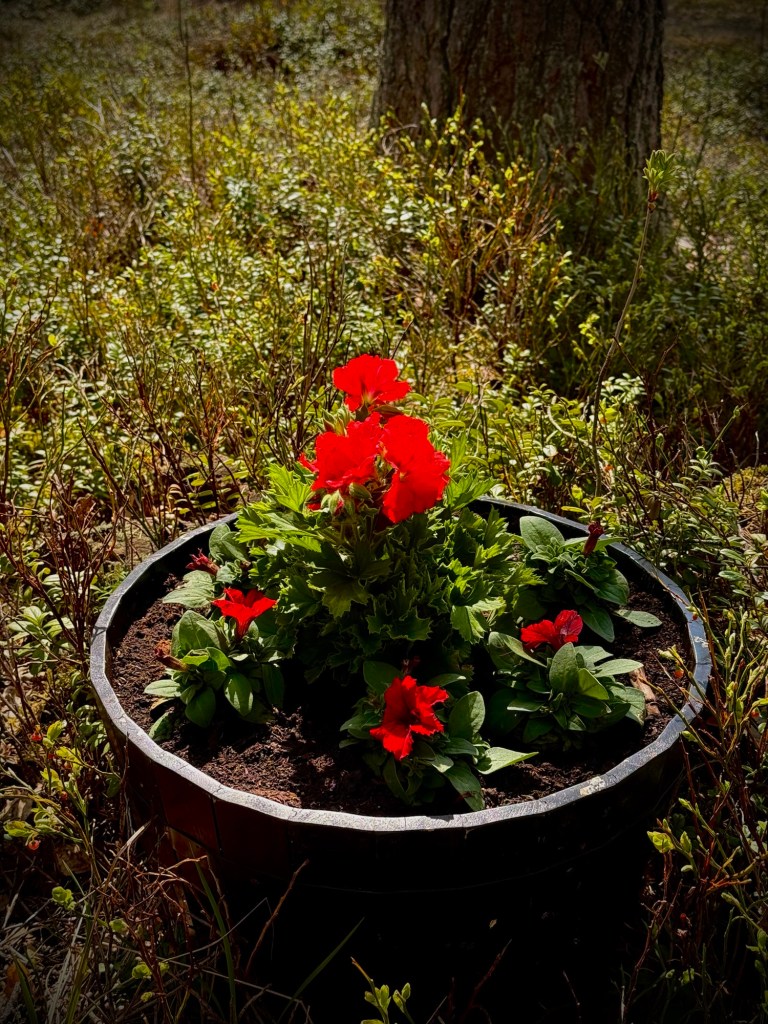
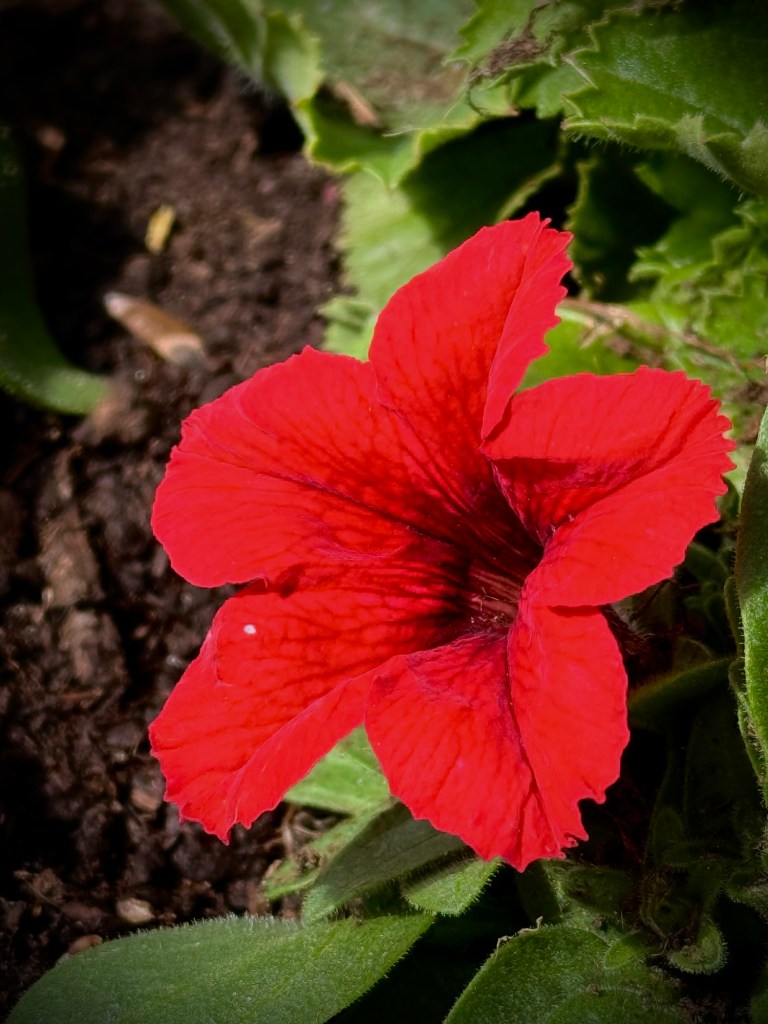
It’s still a little early for petunias (petunia) here, and I know it. The nights can surprise you, and one cold snap is enough to undo all the enthusiasm of a warm afternoon. But after a few genuinely sunny days, I’ve decided to take the risk this year. Sometimes it just feels right to get started.

I spent part of the weekend visiting my mum in the town centre for Mother’s Day. We had a quiet, lovely visit — a walk through familiar streets and, of course, a stop at a flower shop. It’s become a bit of a habit this time of year. I don’t really plan what I’ll buy, but I always seem to come home with something. And more often than not, it’s petunias.

There’s something reassuring about them. With so many plants, I find myself hesitating — will they cope if I’m not there every day, will they need more care than I can give? But petunias are different. They’re reliable in a way that fits perfectly with summer cottage life. When the weather turns warm and dry, they don’t give up easily. They keep flowering, even if watering is a bit irregular.

That’s probably why I return to them year after year. I might try something new each season, but petunias are always part of the mix. They fill the pots quickly, soften the edges of planters, and bring just enough colour without feeling too demanding. And once they settle in, they seem to take care of themselves surprisingly well.

So here I am, a bit ahead of the season, with a few pots already planted. I’ll keep an eye on the forecast and be ready to move them if needed, but I’m choosing not to wait this time. After a long winter, it feels good to start.

And if nothing else, seeing those first petunia blooms outside — even a little too early — is a reminder that summer is on its way.

Standard
flower, gardening

Violet

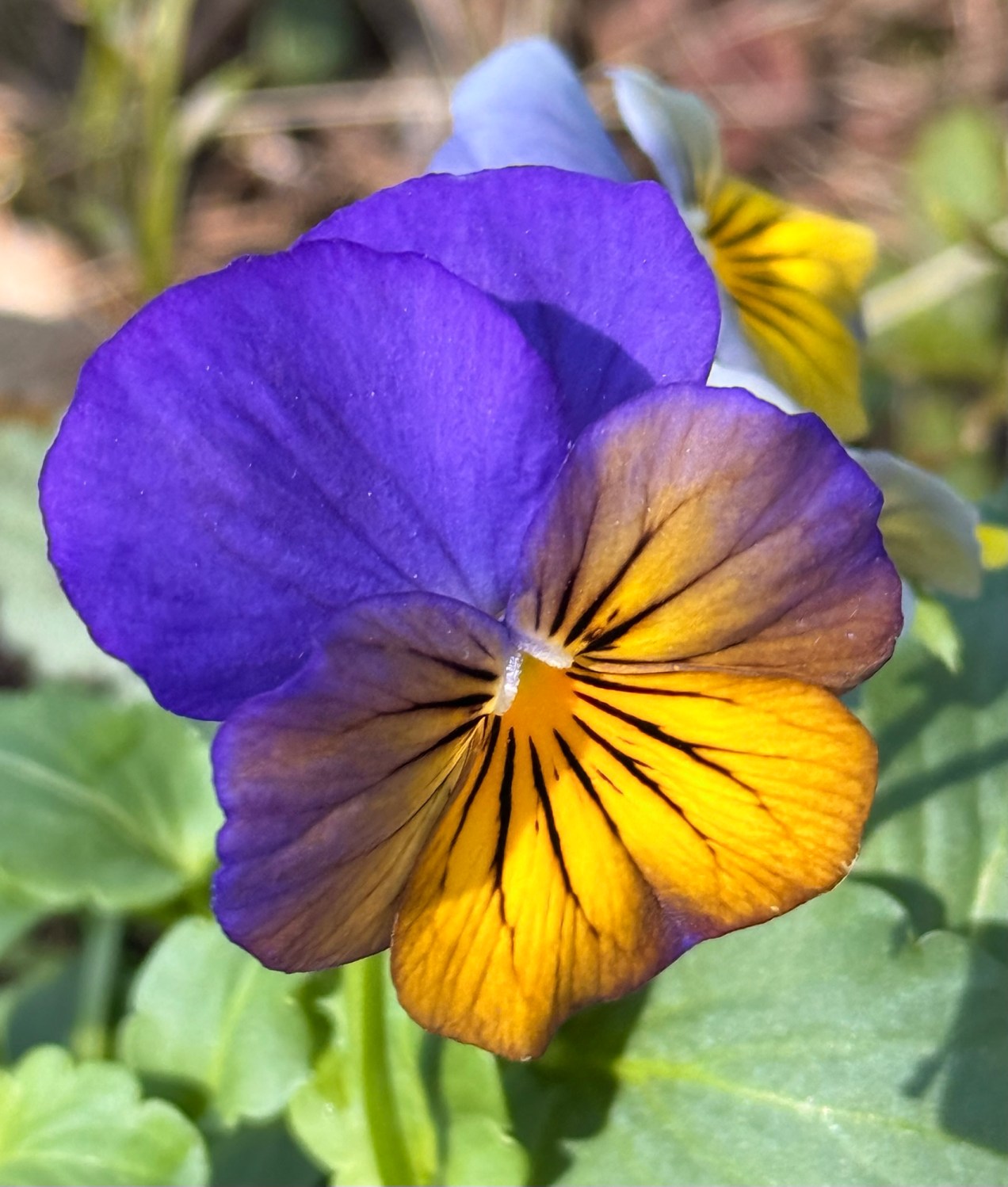
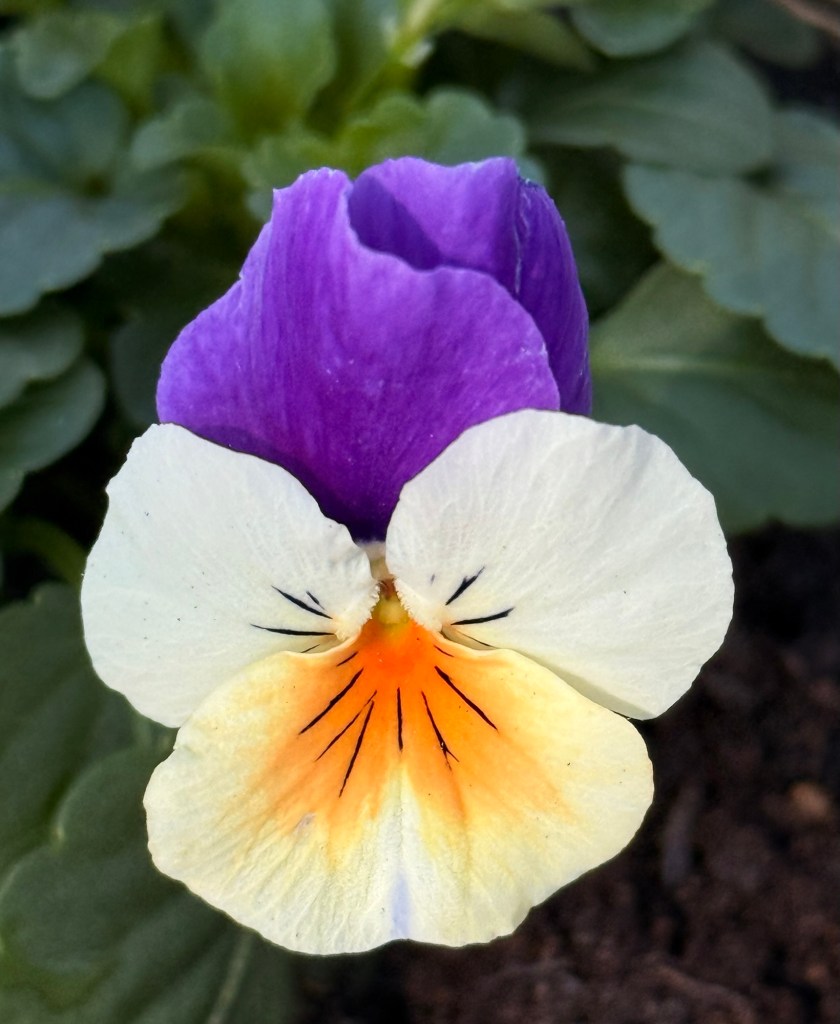
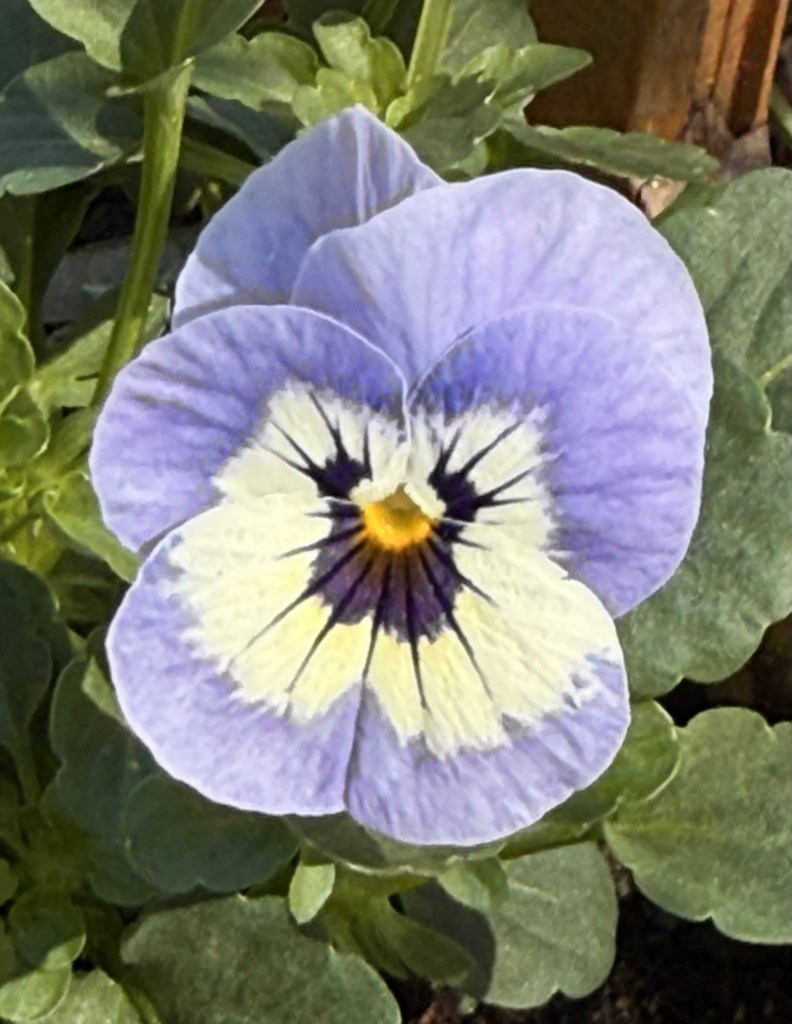
Every spring brings the same quiet but important question: what kind of violets should I choose this year? Violets are often the very first flowers that mark the beginning of the season, and somehow the choice always feels bigger than it should. Small flowers, perhaps, but they carry the whole promise of spring with them.

This year, there were so many beautiful options available. The tables were full of familiar faces – deep purples, soft yellows, delicate pastels – but for reasons I can’t fully explain, it was the bluish tones that drew me in. Cool, calm, and slightly muted, they felt right for this spring. I didn’t notice any truly new colors this time, but that wasn’t disappointing. Sometimes it’s comforting to return to shades you already know and trust.

Violets (viola) are not demanding plants. They settle in easily, tolerate cool days, and just keep flowering. Once planted, they seem content to do their own thing, quietly blooming day after day without asking much in return. That reliability makes them ideal spring flowers, especially after a long winter.

Now they are in place at the summer cottage, brightening up the early season when little else is in bloom. It didn’t take long before they were noticed. Bumblebees were the first visitors, heavy and focused, followed soon by butterflies drifting lightly from flower to flower. Seeing life return so naturally always feels reassuring.

Violets may not shout for attention, but they are always present, always working, always blooming. And once again, they have taken their rightful place as the starting point of spring.

Standard
flower, gardening

Angel

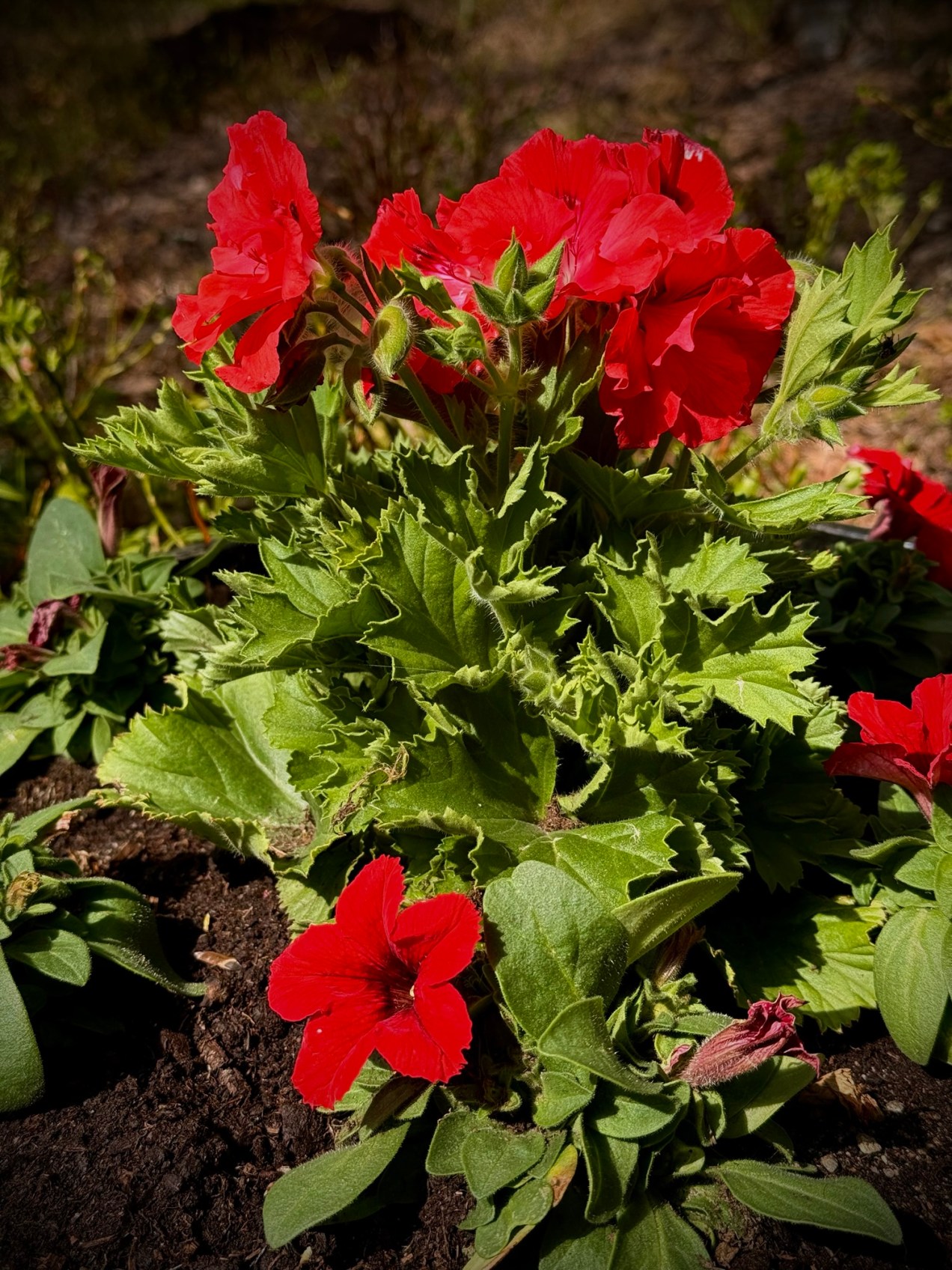
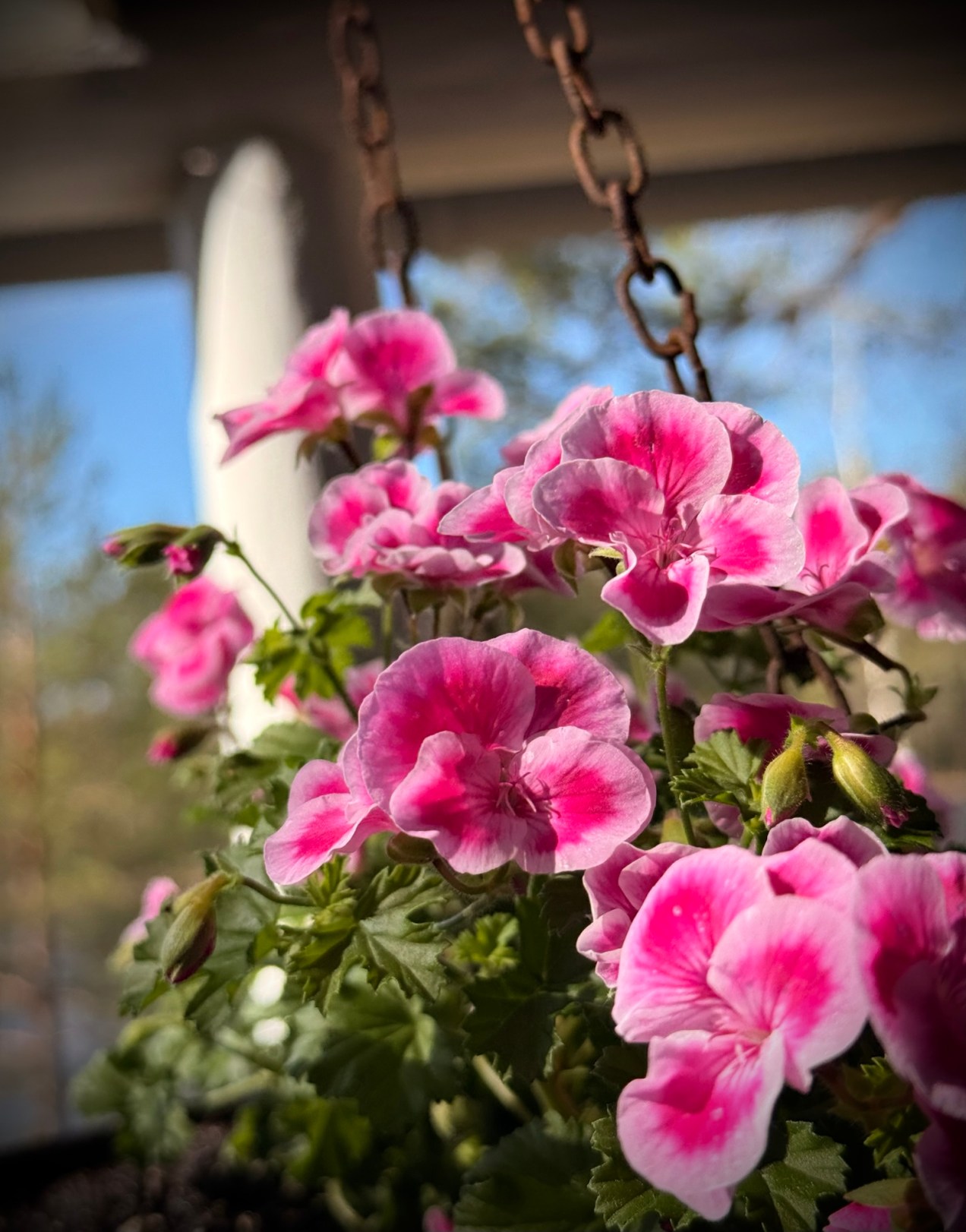
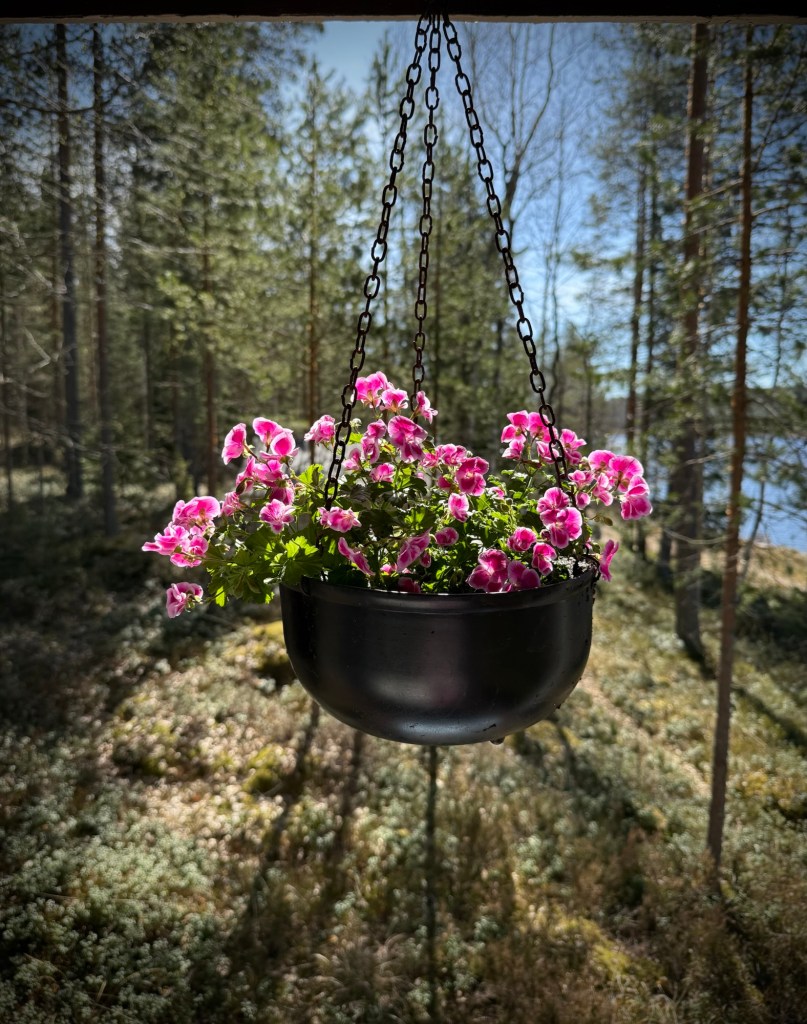
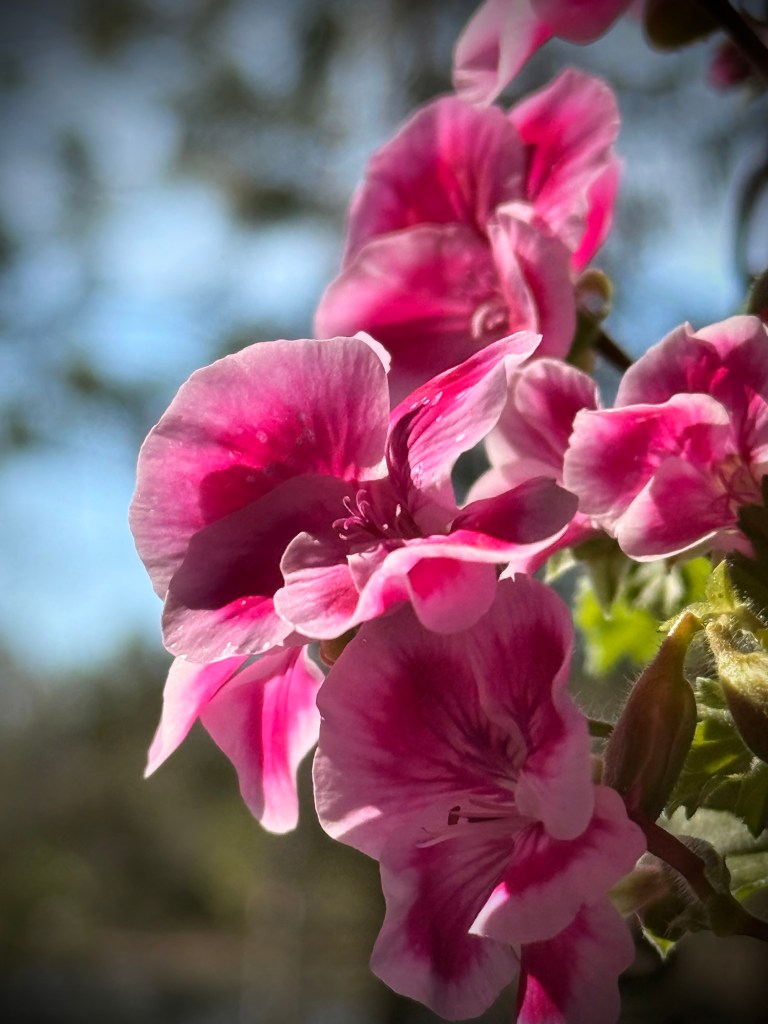
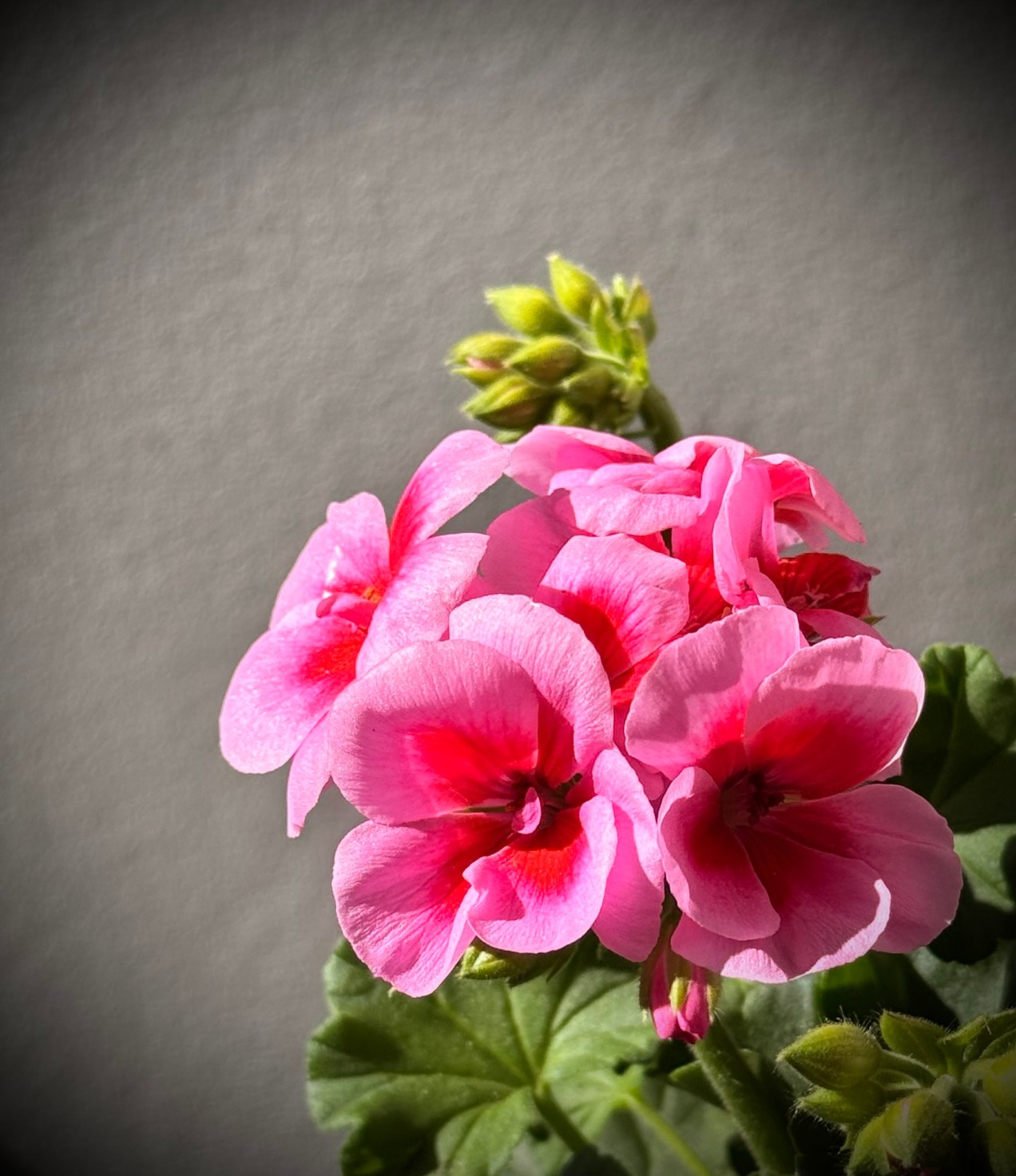
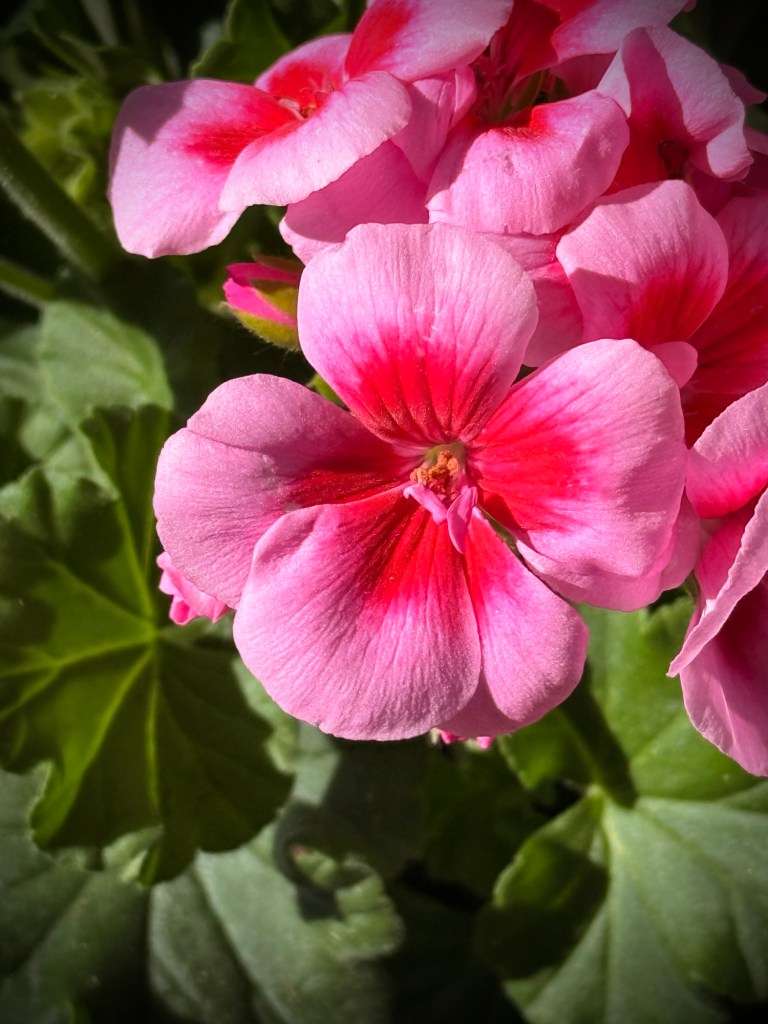
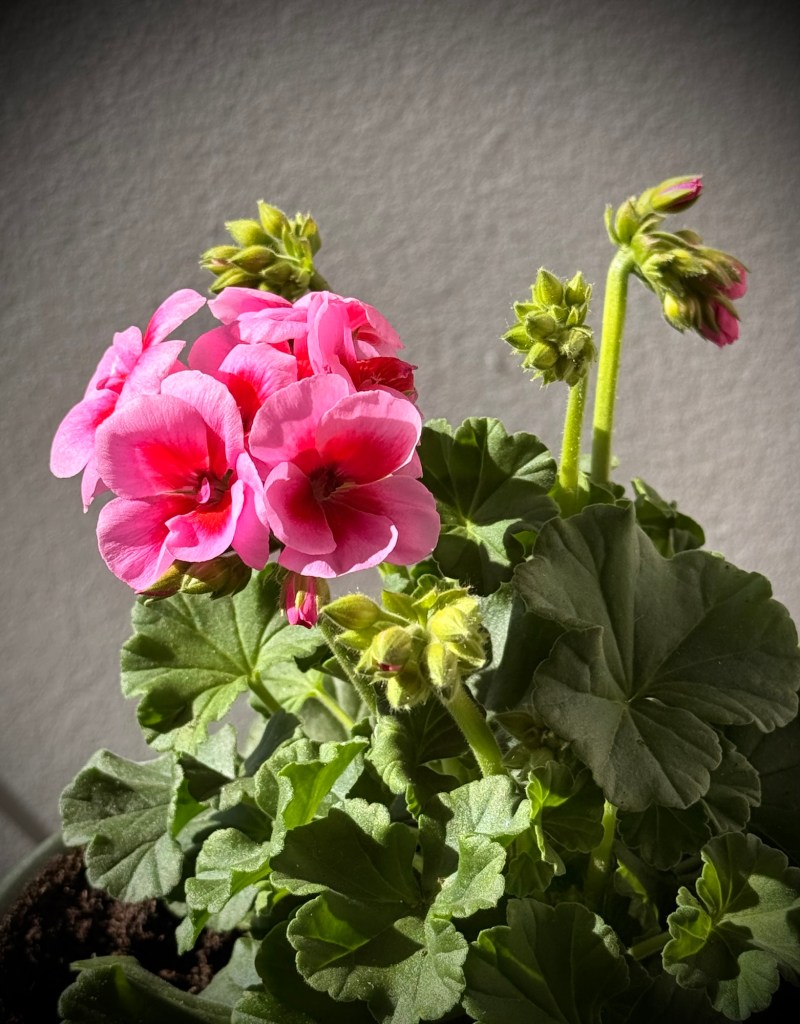
I didn’t plan on buying a geranium that day. I was simply browsing, enjoying a quiet and bright spring moment, when this one stood out. There was something about it that made me stop. That was when I fell in love with Angel. She came home with me without much hesitation.

This is my first time growing this type of geranium, which made the choice feel even more special. Angel has a softer look than many traditional pelargoniums, with a compact growth habit and delicate flowers. At the store, she felt calm and well-balanced, not trying to impress but quietly confident. Sometimes that’s all it takes.

Angel (Geranium ‘Angel’) has now been planted at the summer cottage, where spring arrives slowly and temperatures can still drop unexpectedly. Days may be sunny, but nights often remain cold. Choosing plants for this environment means thinking ahead. From what I understand, this type of geranium is fairly cold-tolerant as long as it’s protected from frost, so Angel should manage just fine in a sheltered spot.

Planting her felt like a true sign that the season has turned, even if the air is still cool. The soil was fresh, the light clear, and the garden just beginning to wake up. Angel was planted into well-draining soil and placed where she can enjoy sunlight without being exposed to strong winds. Sometimes small details make all the difference.

In terms of care, Angel feels refreshingly uncomplicated. Regular watering, good drainage, and gentle feeding during the growing season should be enough to keep her healthy and blooming. She doesn’t ask for much, which suits life at the cottage perfectly.

As spring moves forward, I’m looking forward to seeing how Angel settles in and grows. First-time plants always bring a certain quiet excitement. Angel already feels like she belongs here, and I’m glad I trusted that moment in the store when something simply felt right.

Standard
flower, gardening

Hilma

Some plants arrive with a sensible plan behind them, others simply follow the heart. Hilma belongs firmly to the second category. She was not cheap, and I knew that perfectly well while standing there, hesitating just a moment longer than usual. But some colours do that to you. The soft layering, the gentle contrast, the way the petals seem to glow even without direct sunshine — resisting felt pointless. Hilma (Geranium ‘Hilma’) came home with me.

Now she sits on the balcony, where the light shifts slowly through the day. In the mornings, the colours feel cooler and calmer; in the long evenings, they deepen and warm up, almost changing character. This is what I love about geraniums like Hilma — they are never static. They respond to light, temperature, and time in a way that keeps you looking twice.

What draws me to these varieties, again and again, is their reliability. They tolerate cold with remarkable grace, making them ideal companions for northern balconies. Even when nights dip lower and the air feels sharp, they hold on. Six months or more outdoors is not unusual here, and that kind of endurance feels almost generous.

This spring has felt especially full of light. The days stretch endlessly, and even ordinary moments seem brighter for it. Hilma has settled into this rhythm quickly, her foliage healthy and steady, her blooms unhurried but confident. There is no rush — just consistency, day after day.

Sometimes I think that is why I didn’t mind the price after all. Hilma isn’t a fleeting pleasure. She is presence. She stays, she adapts, and she rewards patience. On a northern balcony, surrounded by wind, light, and long evenings, that feels like exactly the kind of plant worth choosing.

Standard
flower, gardening

Chandelier

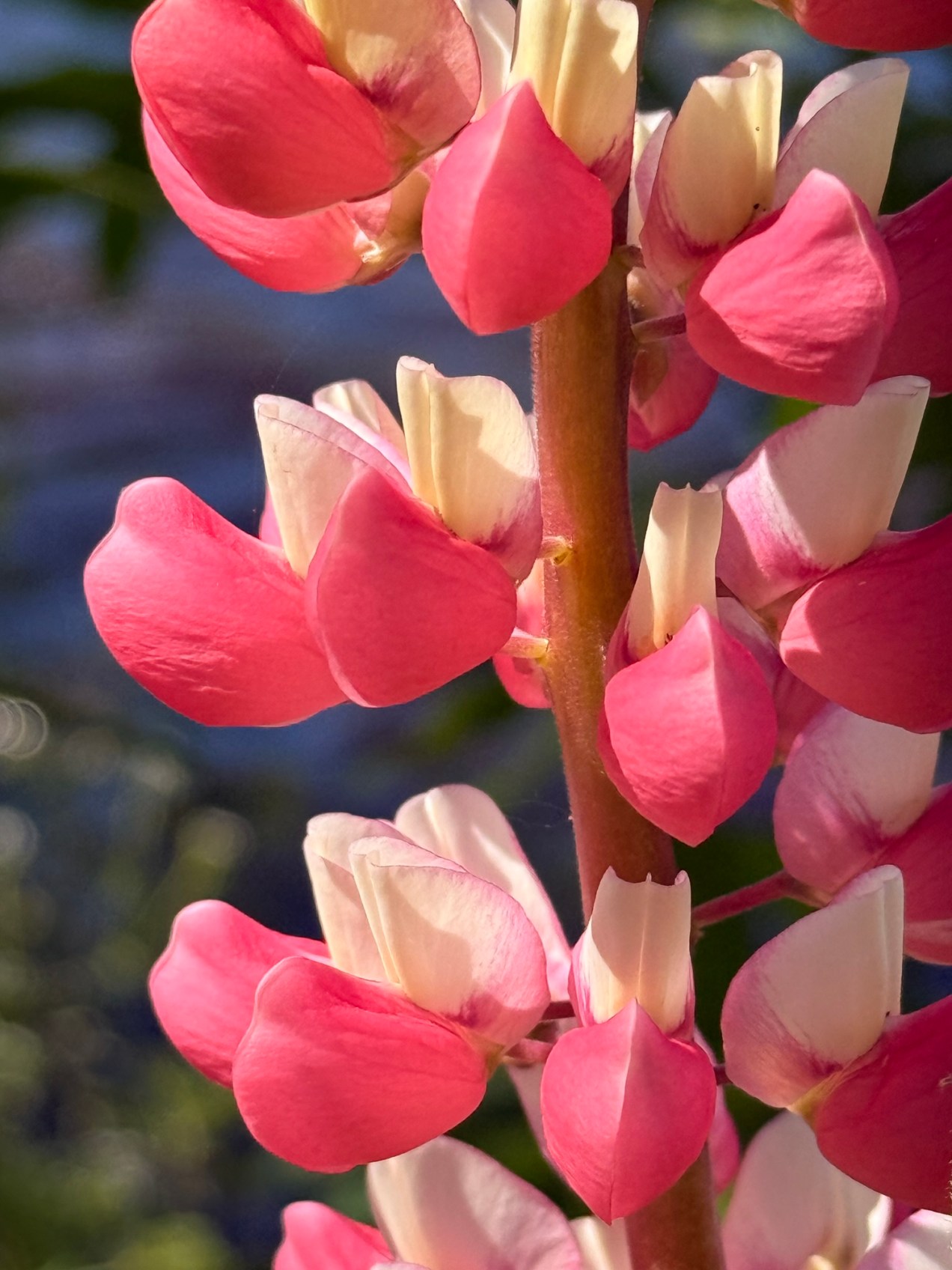
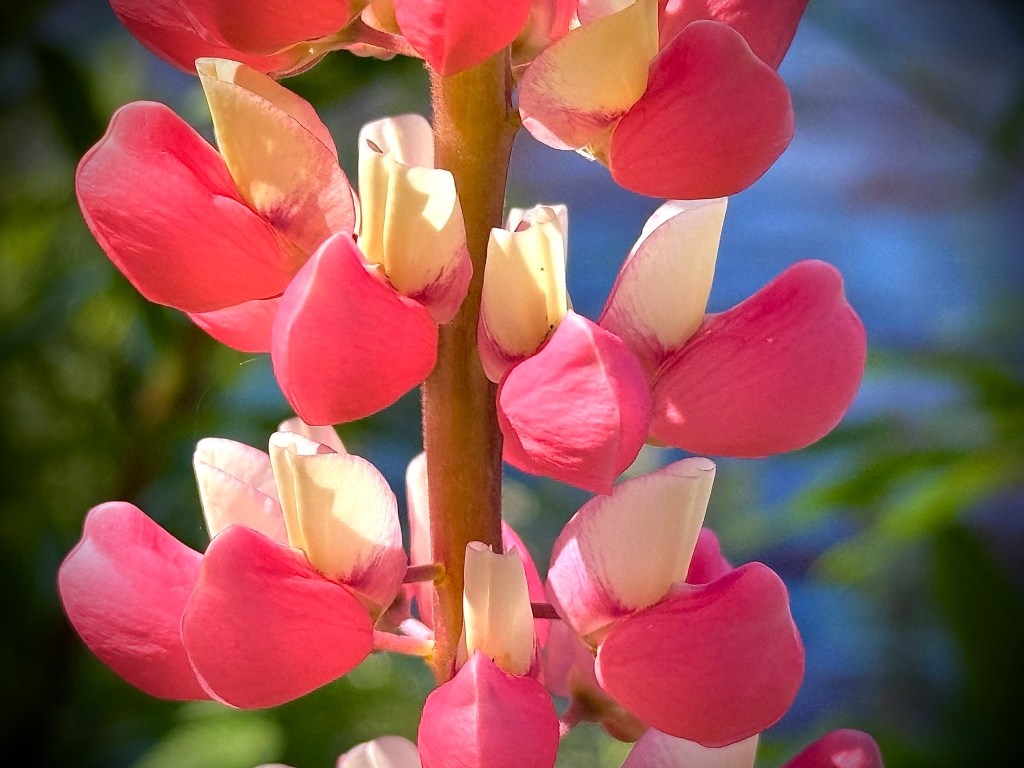
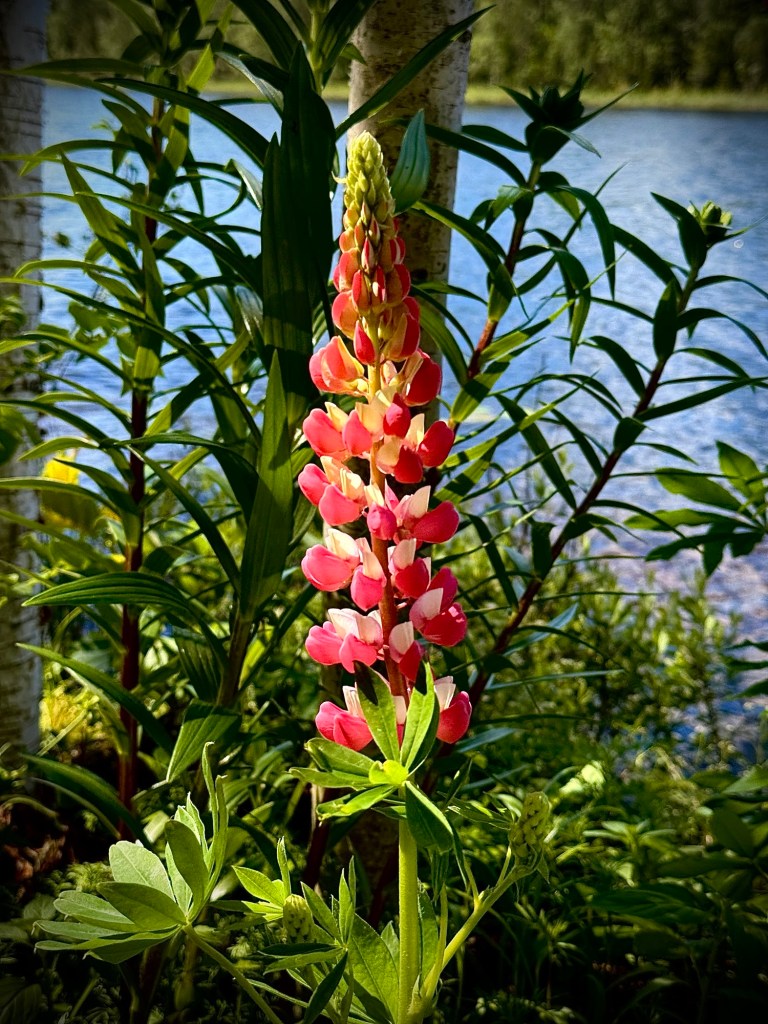
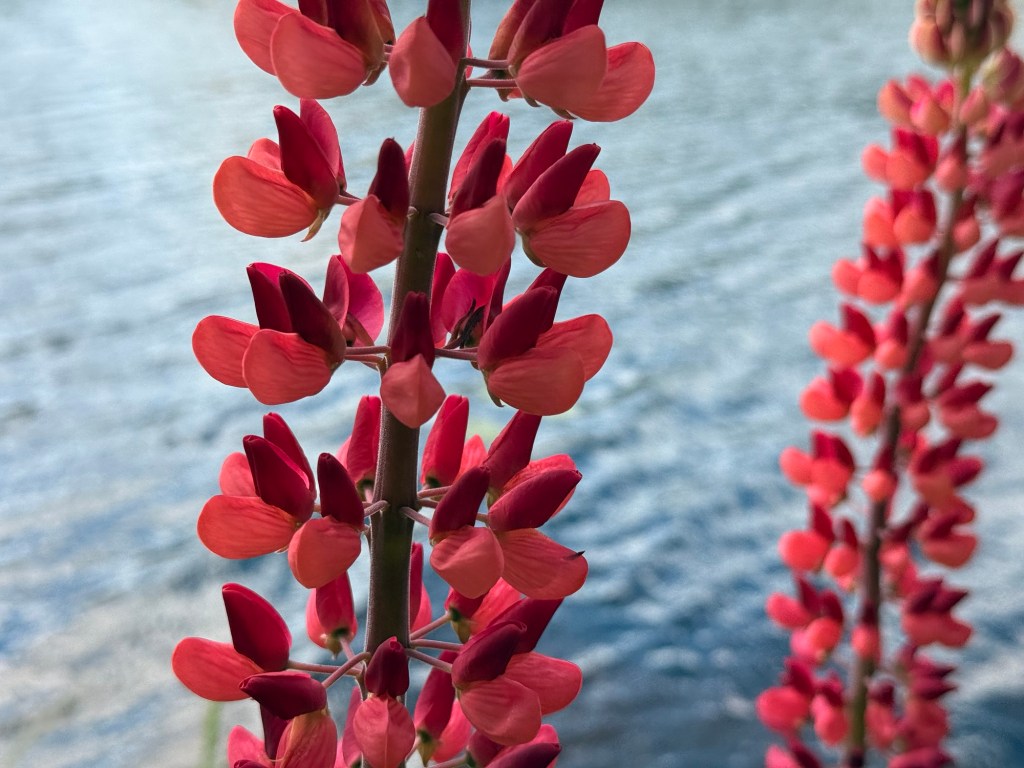
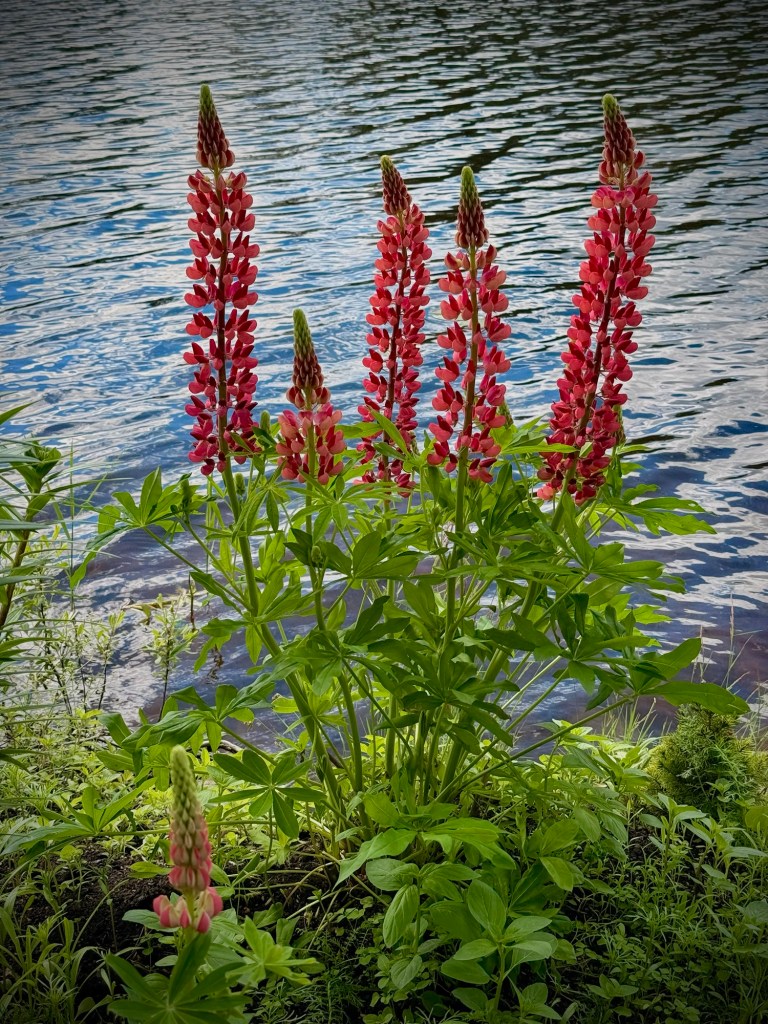
The midsummer is close and the nature is at its best. The weather has been beautiful up here in the north, sunny and warm.

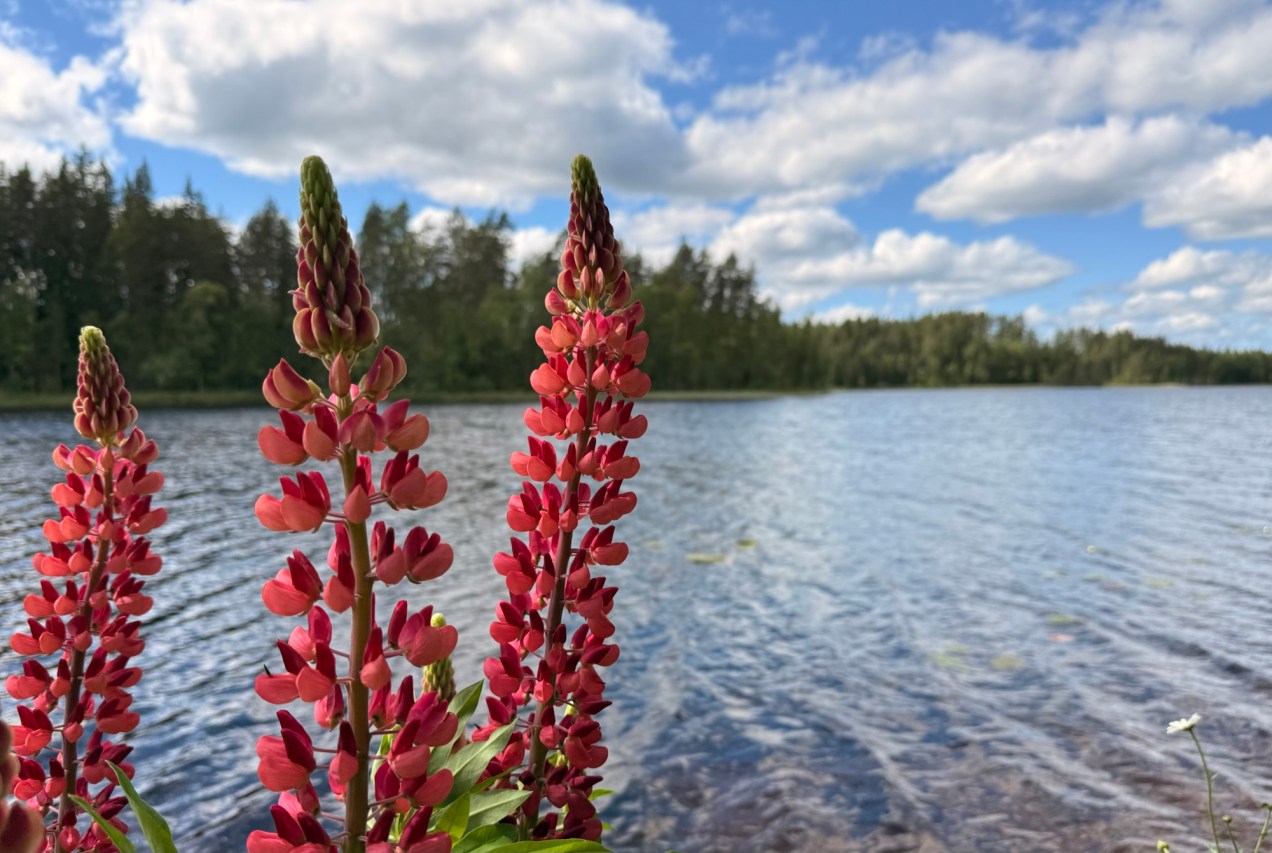
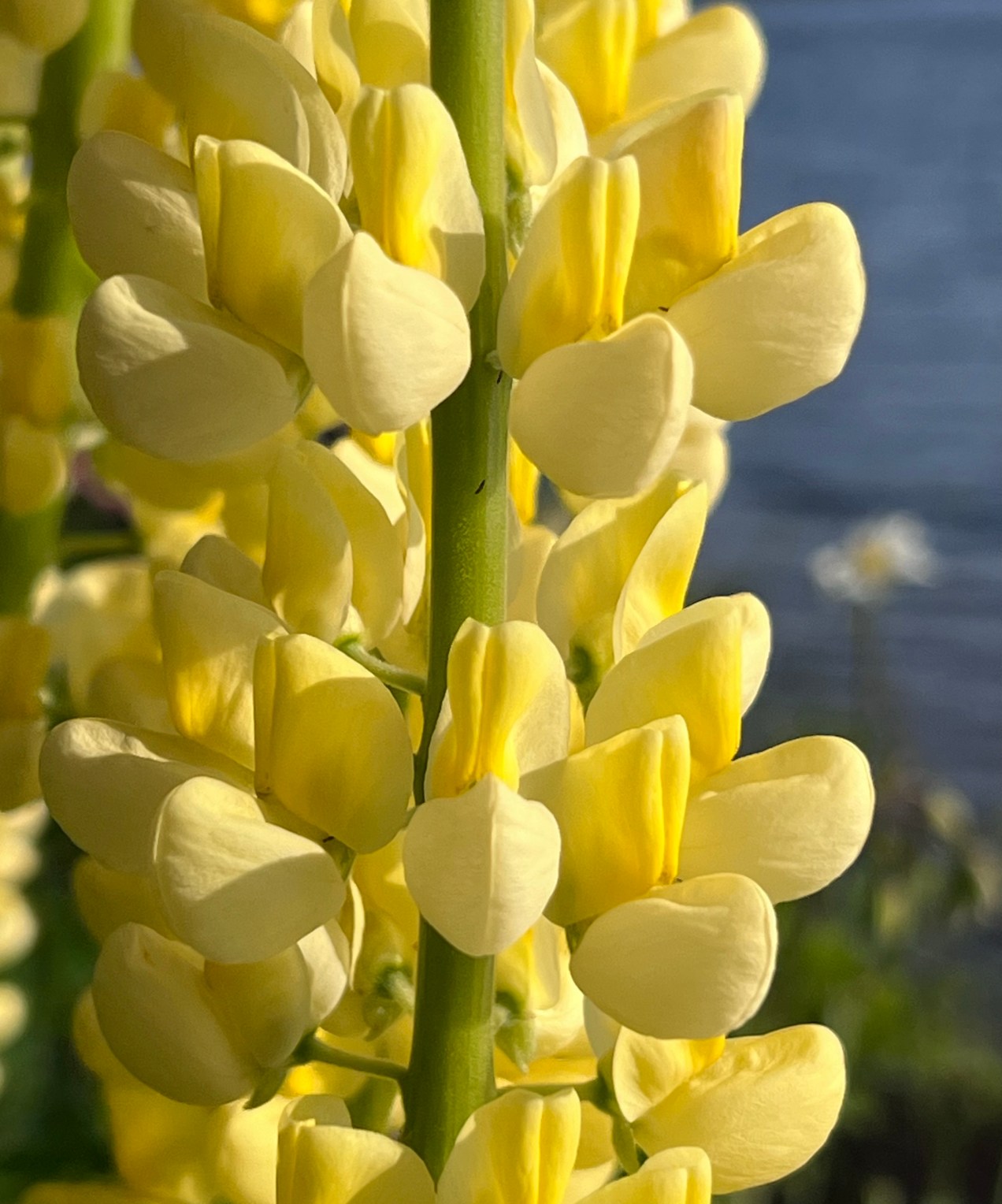
The reliable Chandelier (Lupinus ‘Chandelier’) has started to bloom. It has turned out that it is very suitable for this climate and has found a permanent spot in the flowerbed.

This year I do not have much time to tend the garden and have to rely on the perennials. Sadly ants have managed to find some of the flowerbeds and it has been a dry June, therefore I have few less flowers to enjoy.

Standard
flower, gardening

Autumn Joy

Finally managed to spend a weekend in the summer cottage. We have already had the first frosts during the nights and it is time to prepare for the winter.

Not many flowers left but the Autumn Joy (Sedum spectabile ‘Autumn Joy’) is still blooming.

It is one of those plants that do not require any care and is at its best in the autumn.

Standard
flower, gardening

Verbena

I am getting more and more fond of Common Garden Verbenas (Verbena hortensis). They have so many colors available in the stores nowadays.

The flower is extremely drought tolerant and therefore very suitable for the summer cottage since I am not always there to water.

I planted this individual to the driest and sunniest spot and it still made it blooming beautifully.

Standard
flower, gardening

California Poppy

This year I am not able to spend much time in the summer cottage and therefore needed to select varieties that tolerate neglecting.

California Poppies (Eschscholzia californica ‘Aurantiaca Orange’) are easy to grow and do not need much watering. They are ideal flowers for those who cannot be in the garden all the time.

I planted the seeds by the lake to the full sun and the poppies are doing well. They just started to bloom and survived the two week long heatwave without a blink. Just love the vivid color they have.

Standard
flower, gardening

Origami Red and White

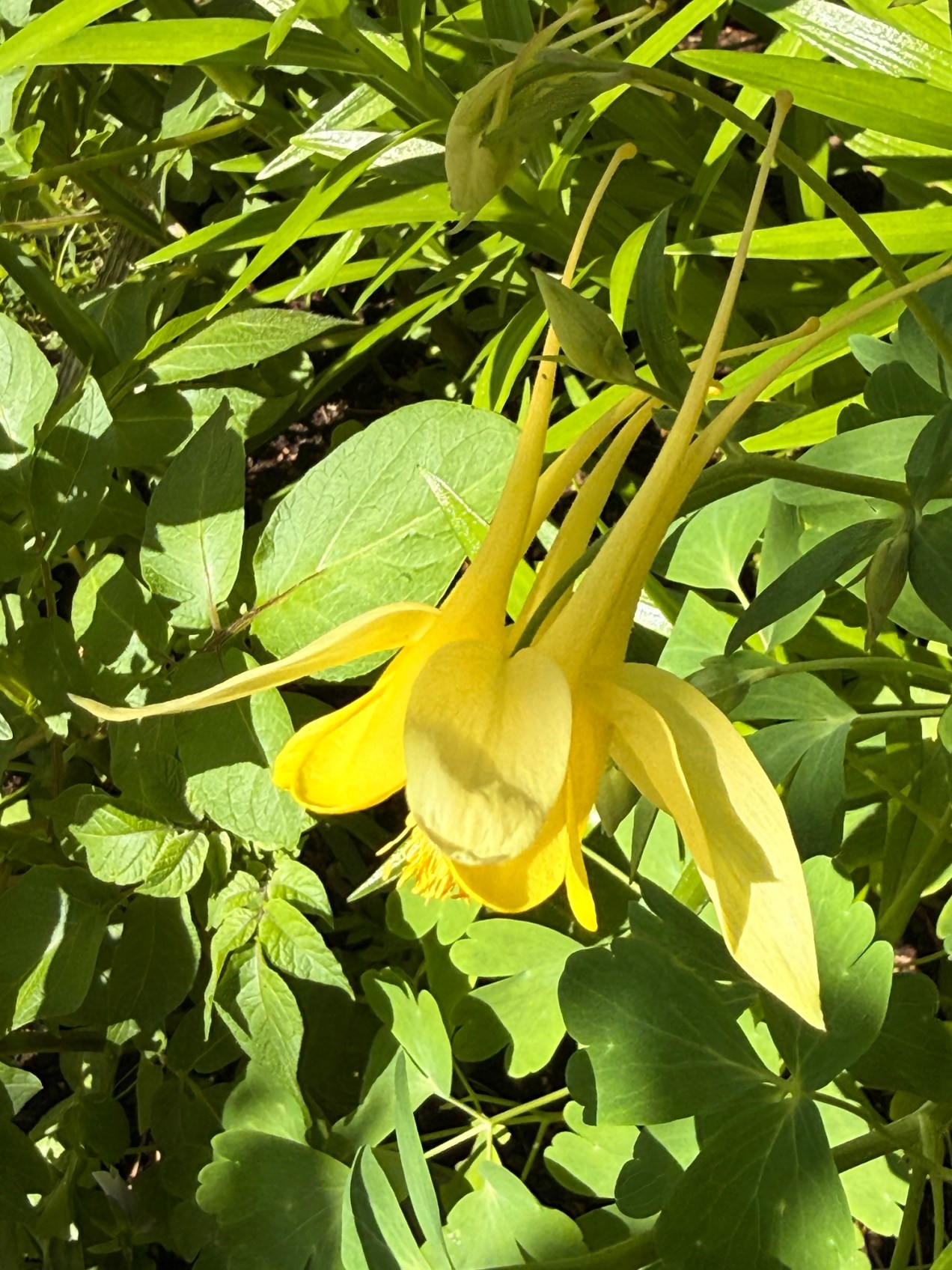
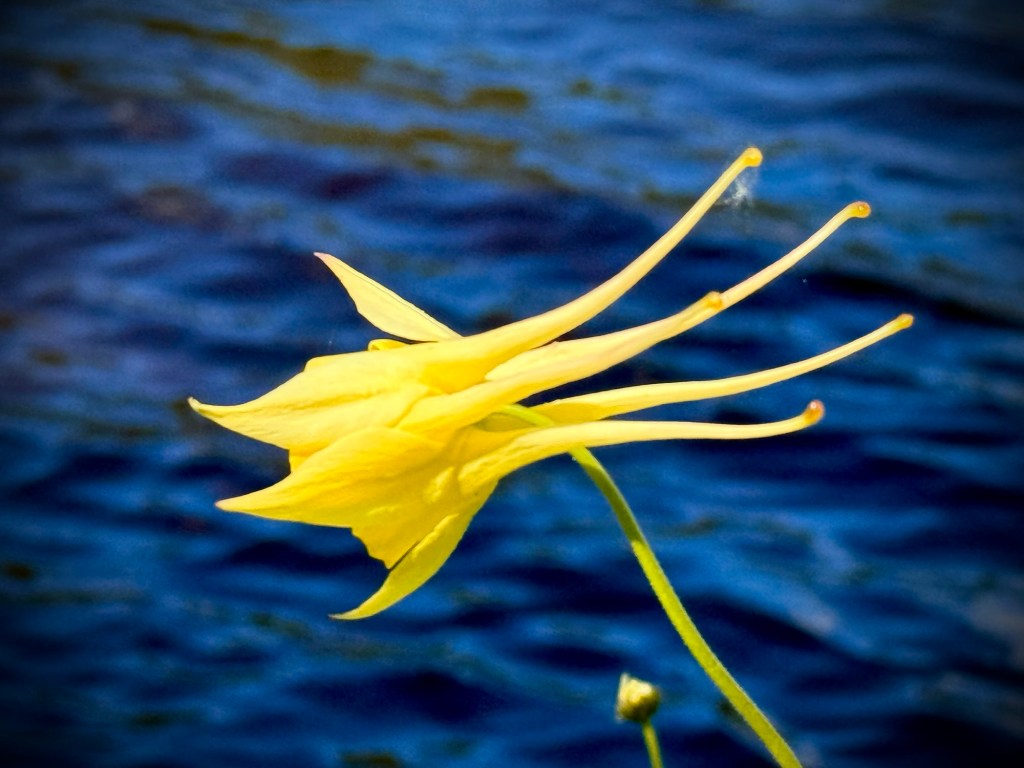
Another good year for the Origami Red and White (Aquilegia caerulea ‘Origami Red and White’).

For some reason the variety seems to like to grow up here in the north.

This year the blooming season for the columbines will be short. After a long period of cool weather a two week heatwave hit us and made the flowers to bloom quickly.

Standard