flower, gardening

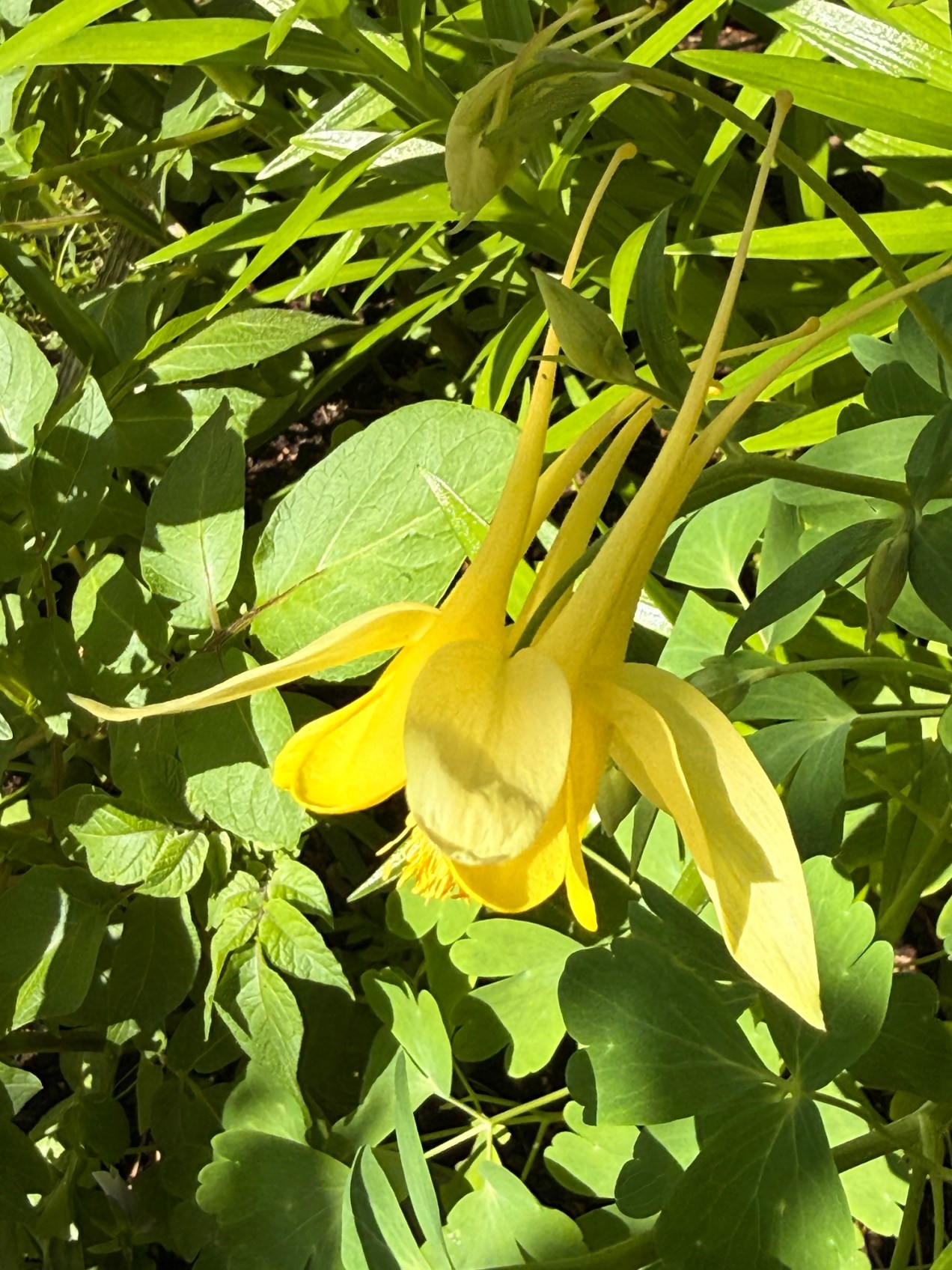
Yellow Queen

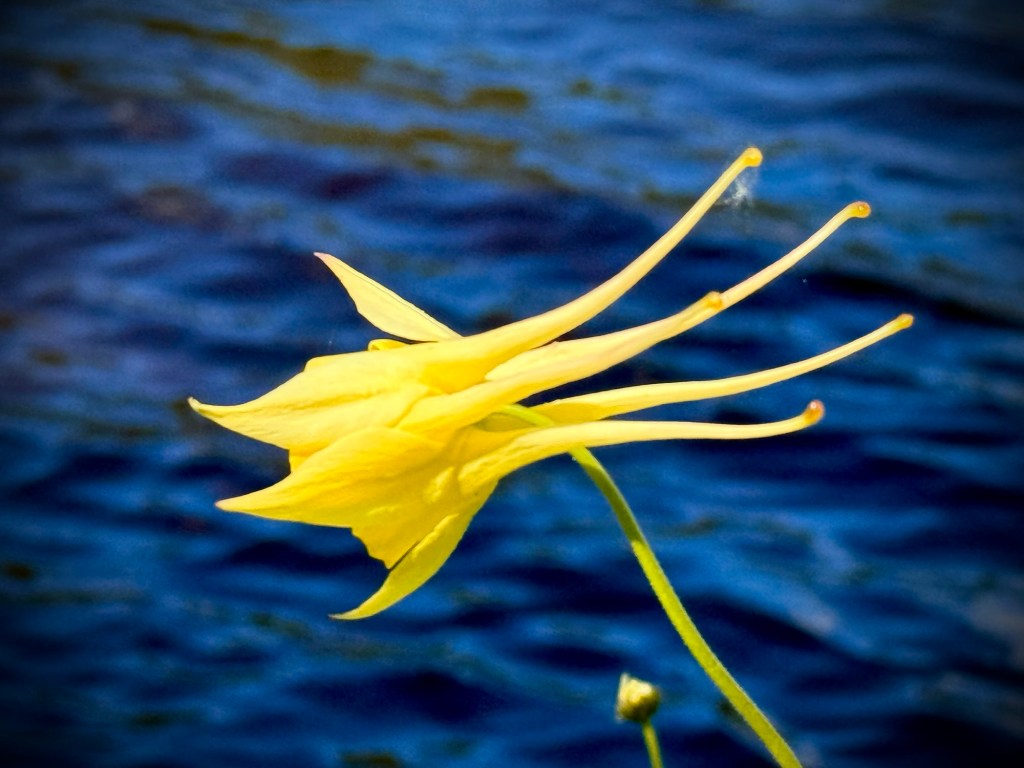
If I had to name the most successful columbine at the summer cottage, it would certainly be Aquilegia chrysantha ‘Yellow Queen’. It has been growing here for nearly eight years now and still seems just as happy as ever. Some plants come and go, while others struggle with the conditions, but Yellow Queen has quietly settled in and made itself at home.

What I especially love about this flower is its shape. The blooms are unlike any other columbine I grow. Their long, elegant spurs give them a graceful appearance, almost as if they are floating above the foliage. The bright yellow colour is cheerful without being overwhelming and stands out beautifully in the gentle light of a northern summer.

For a long time now, Yellow Queen has shared its place with the lilies. Every year they bloom together, creating a combination that I always look forward to seeing. The lilies provide bold structure while the airy flowers of the columbine bring a lighter touch. After all these years they seem perfectly suited to one another.

One reason I appreciate Yellow Queen so much is its reliability. Columbines can sometimes be short-lived, but this variety has proved remarkably persistent. It returns year after year with little fuss, producing plenty of flowers and maintaining its place despite the challenges of cottage conditions. Perhaps that is why it has become one of my favourites.

I have also managed to establish a second plant near the lake. It is still finding its place there, but I hope that in time it will grow as vigorously as the original clump. It would be lovely to see Yellow Queen spread to other corners of the cottage surroundings. The flower is too beautiful to remain in only one spot.

For now, though, I am simply happy that the old plant continues to thrive. Each summer it reminds me that some garden companions are worth waiting for. Year after year, Yellow Queen returns with its golden flowers, as dependable and beautiful as ever.
Standard
flower, gardening

Columbine

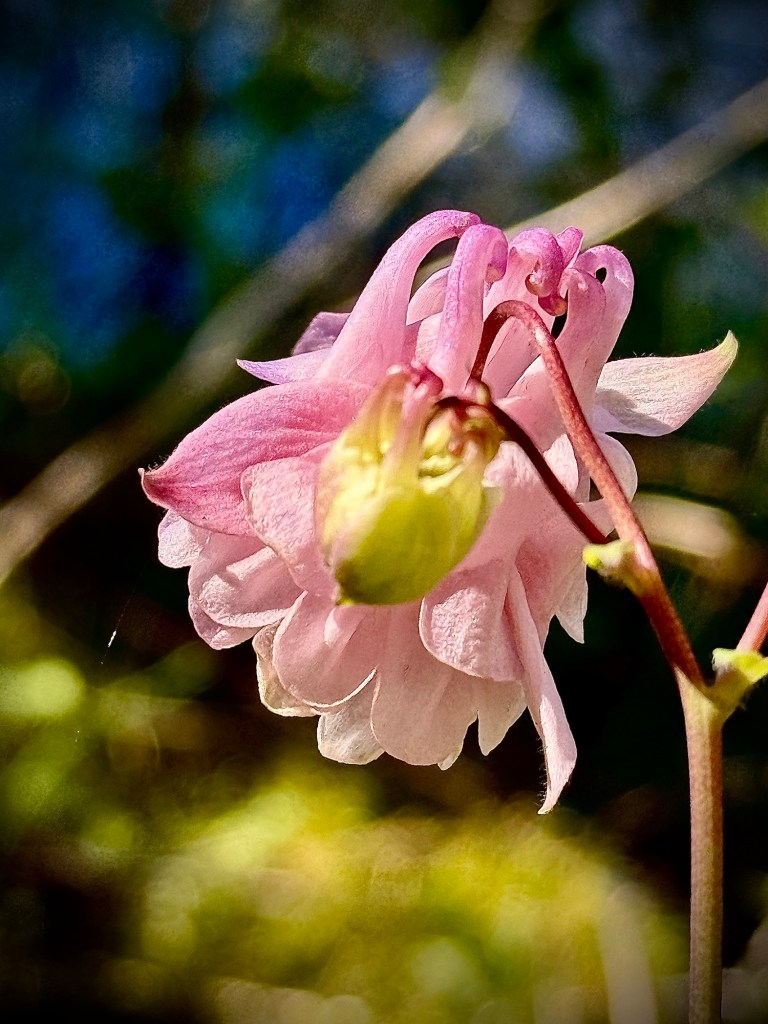
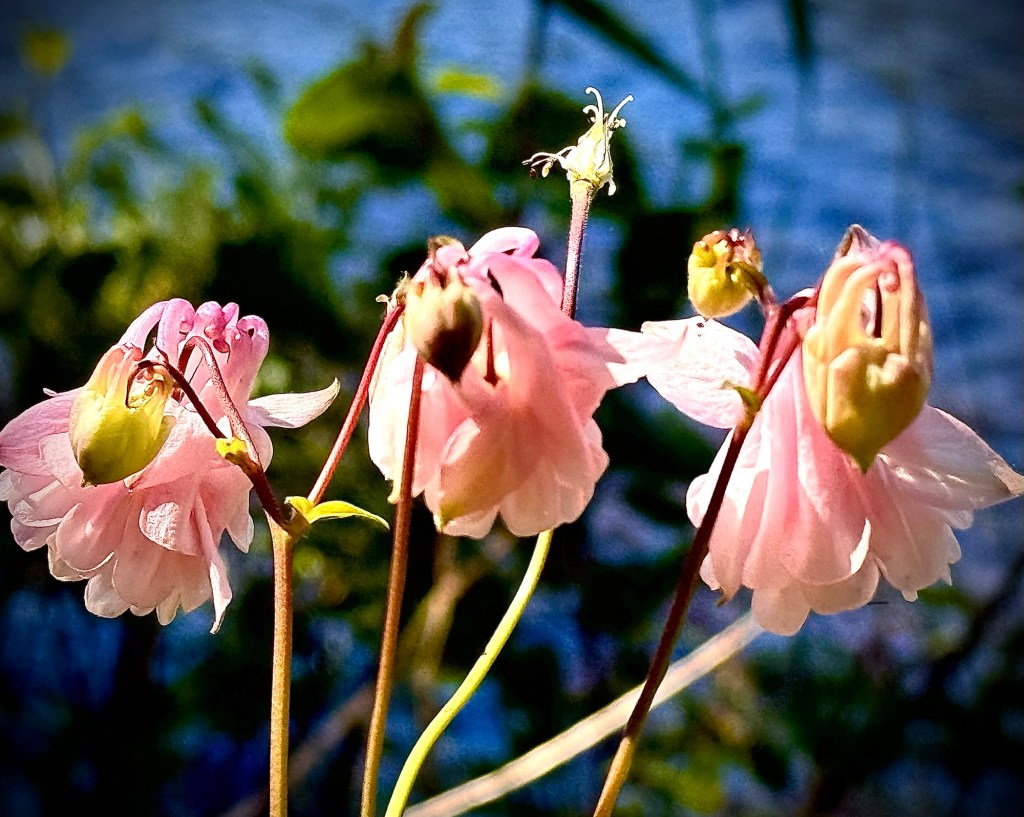
If I had to choose just one flower, it would definitely be columbine.


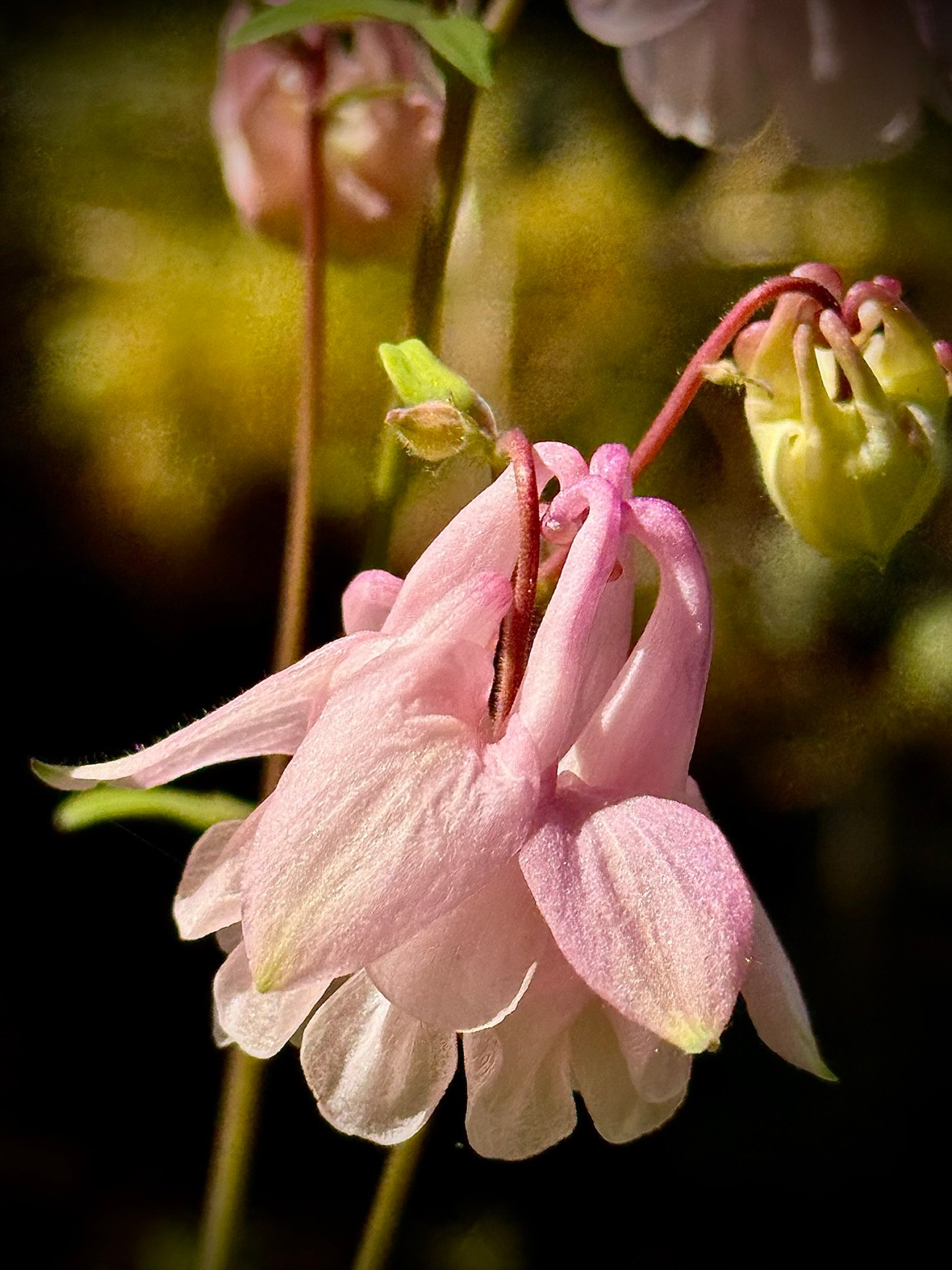
Aquilegia, as it’s known in Latin, is not the most showy plant, nor the rarest, but for me it carries something no catalogue variety ever could. It has been here for as long as I can remember – and long before that. This is the same old variety my grandma once had growing in her garden, and it has now been part of this place for more than eighty years.


There is something quite special about that thought. Plants come and go, borders change, and new varieties arrive every year, but this one has simply stayed. Or perhaps more accurately, it has quietly moved.


Columbine is not a plant that stays politely where you put it. Individual plants only bloom for a few years in one spot before fading away, but the plant continues by setting seed and starting again somewhere new. One spring you notice it in one corner, and a few years later it appears in another. It disappears, and then returns as if nothing ever happened. It finds its own place.


That is exactly how mine behaves. It never really leaves the garden, but it never fully stays still either.


My earliest gardening memories are tied to this plant. As a child, I used to collect the seeds and scatter them around the garden without much thought. I planted them wherever I felt like it – along the paths, between other plants, sometimes even in places where nothing else seemed to grow. And very often, they did.


There is something generous about columbine. It doesn’t expect perfection. It grows in sun or light shade, finds small gaps, and quietly settles in. It fills that early summer moment in the garden, after the spring bulbs have faded and before the stronger summer flowers take over. The blooms are light and slightly nodding, with their distinctive spurs, delicate but never fragile.


Over time, the plants have changed a little. The colours are not always exactly the same from year to year. That is part of their charm. New seedlings appear with small variations, different shades or slightly altered shapes. But the original feeling of the plant remains – something familiar, something continuous.


The name Aquilegia comes from the Latin word aquila, meaning eagle, referring to the shape of the flower spurs. It’s an interesting detail, but for me the plant has always been something softer. I still think of it as my grandma’s flower.


Every year, when the first blooms open, it feels like a quiet return. Nothing dramatic, nothing demanding attention. Just a simple reminder that something has continued, through seasons and years, without needing much care from me.


These days, I don’t try to control where it grows. I let it decide. It always finds a place that works.
And maybe that is exactly why it has lasted this long. Not because it was carefully planned or protected, but because it has been allowed to move, to change, and to belong in its own way.


I’m just glad it’s still here.

Standard
flower, gardening

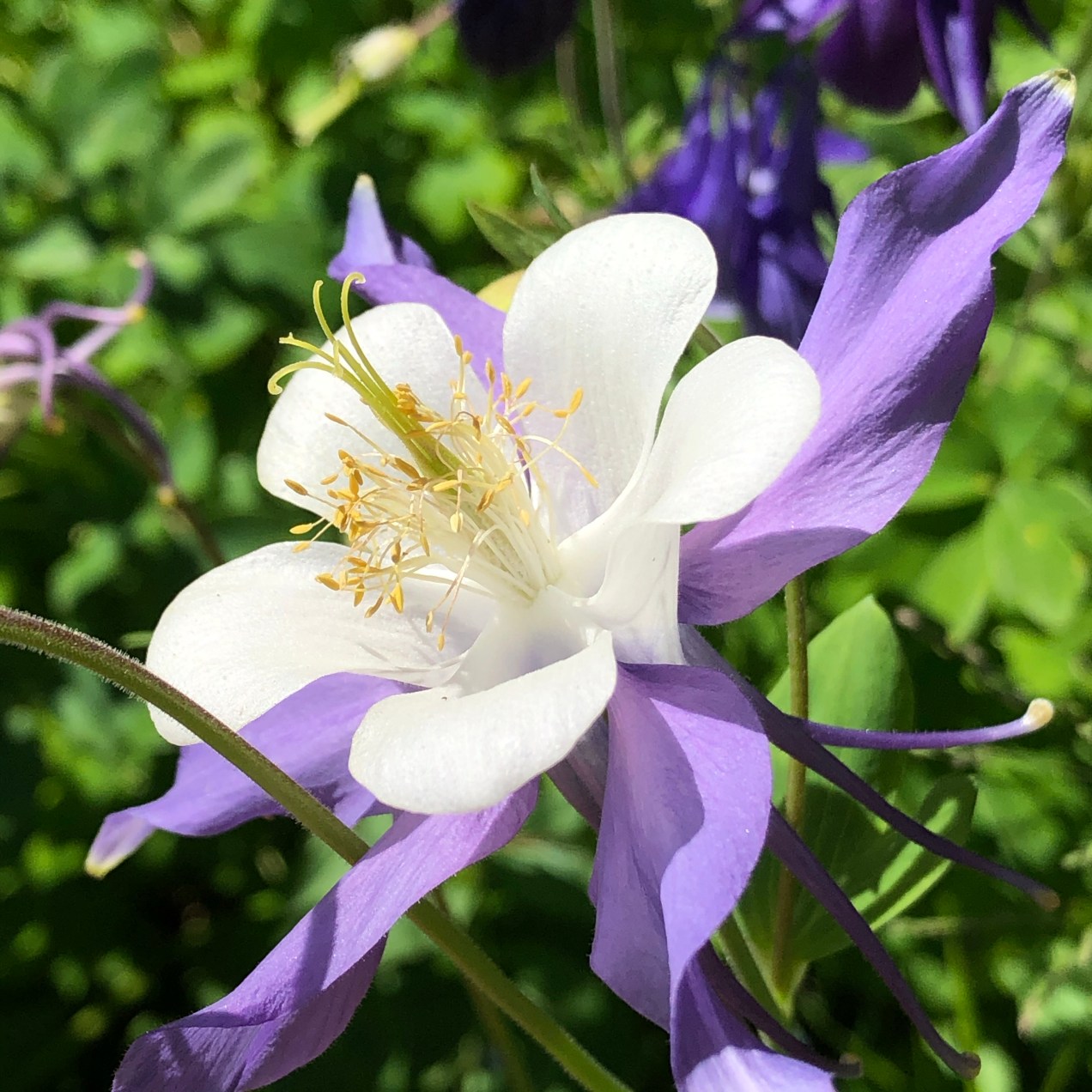
Origami Red and White

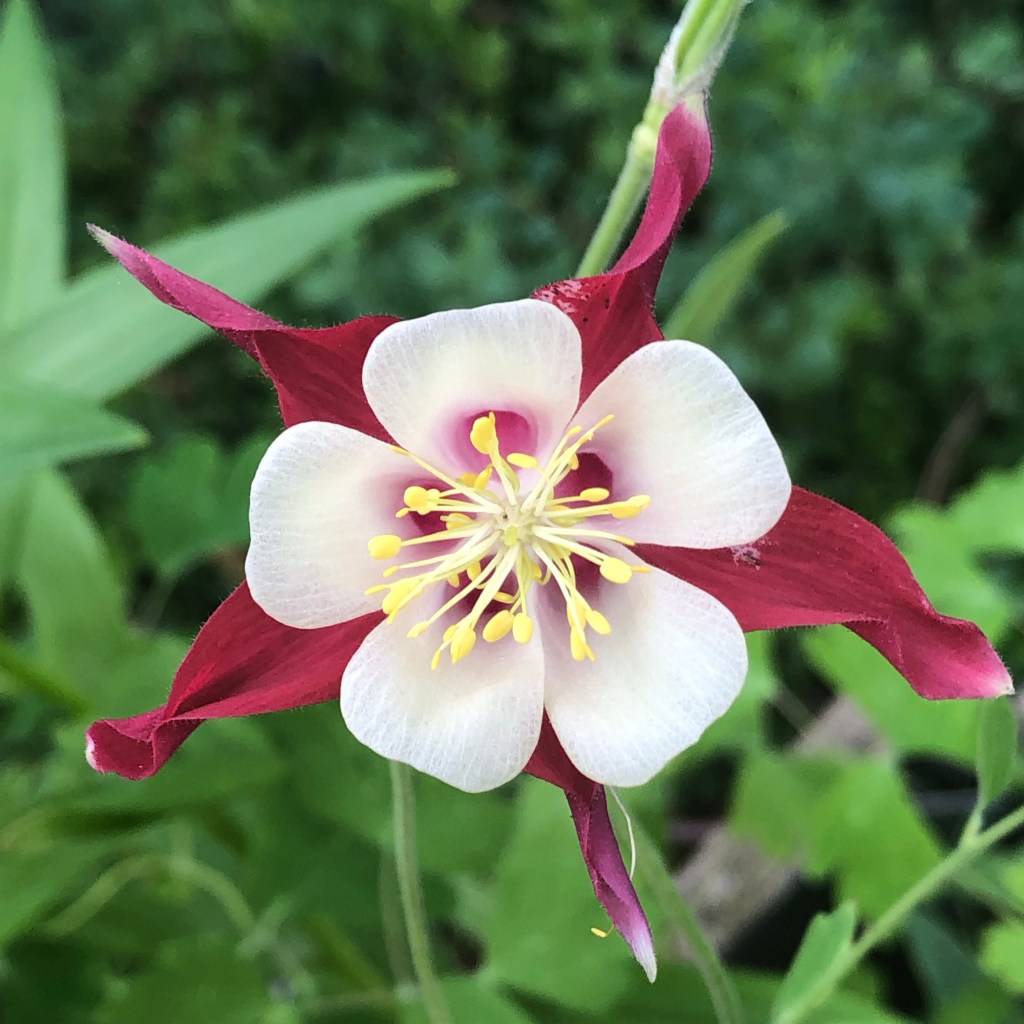
Another good year for the Origami Red and White (Aquilegia caerulea ‘Origami Red and White’).

For some reason the variety seems to like to grow up here in the north.

This year the blooming season for the columbines will be short. After a long period of cool weather a two week heatwave hit us and made the flowers to bloom quickly.

Standard
flower, gardening

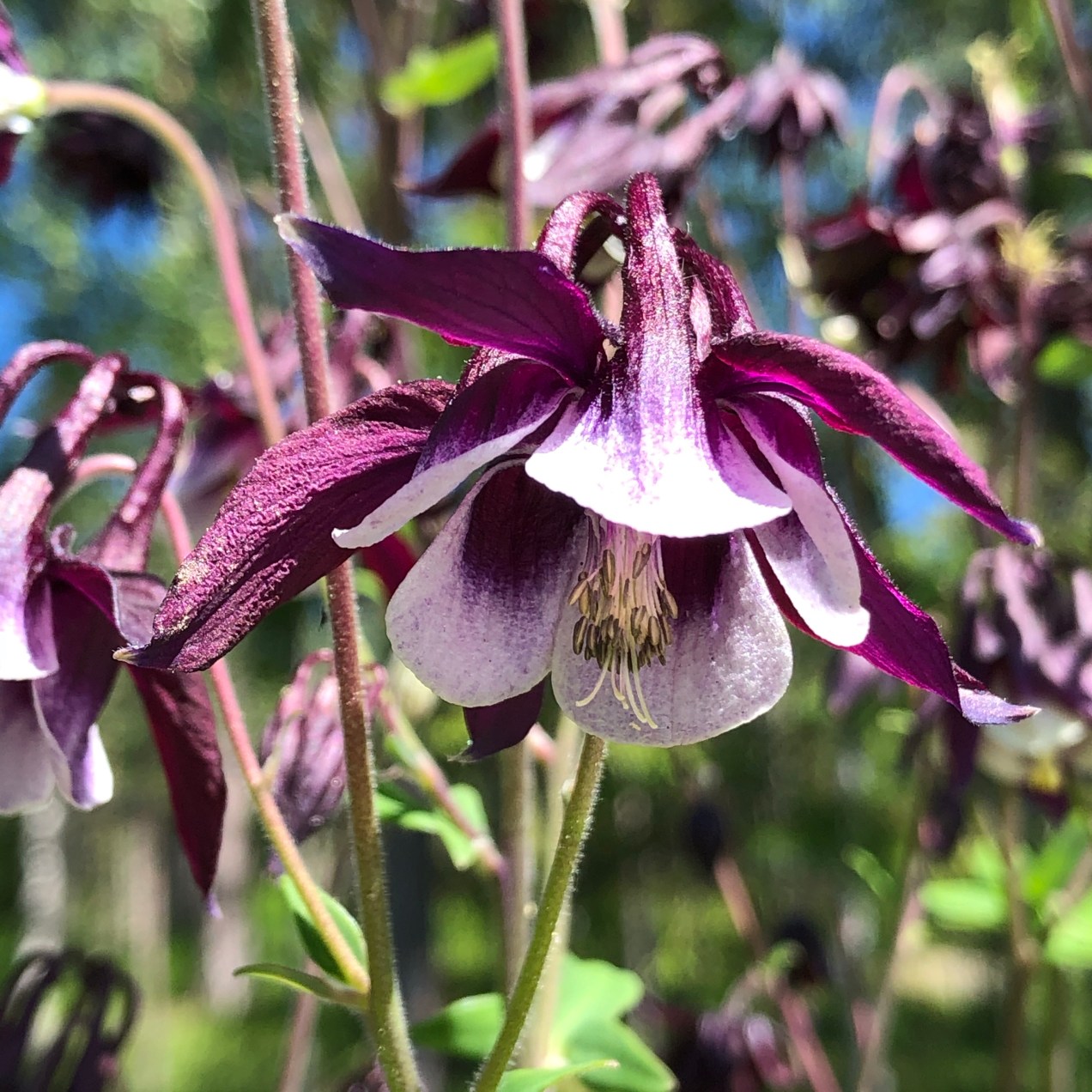
Bordeaux Barlow

The aquilegia season is here. Most of the varieties are at their best and blooming beautifully.

It took me several years to grow the Bordeaux Barlow (Aquilegia vulgaris var. stellata ‘Bordeaux Barlow’) from the seeds but now I have many of them.

Up here in the north it usually takes three years before this variety starts to bloom. Most of the other varieties already bloom during the second season.

Standard
flower, gardening

Origami Red and White

I had completely forgotten that I planted Origami Red and White (Aquilegia caerulea ‘Origami Red and White’) seeds last year.

The blooms were a nice surprise and lasted long.

Now the flowering season for columbines is over but it is time to collect the seeds. This surely was a variety that I want to see more in my garden.

Standard
flower, gardening

Yellow Queen

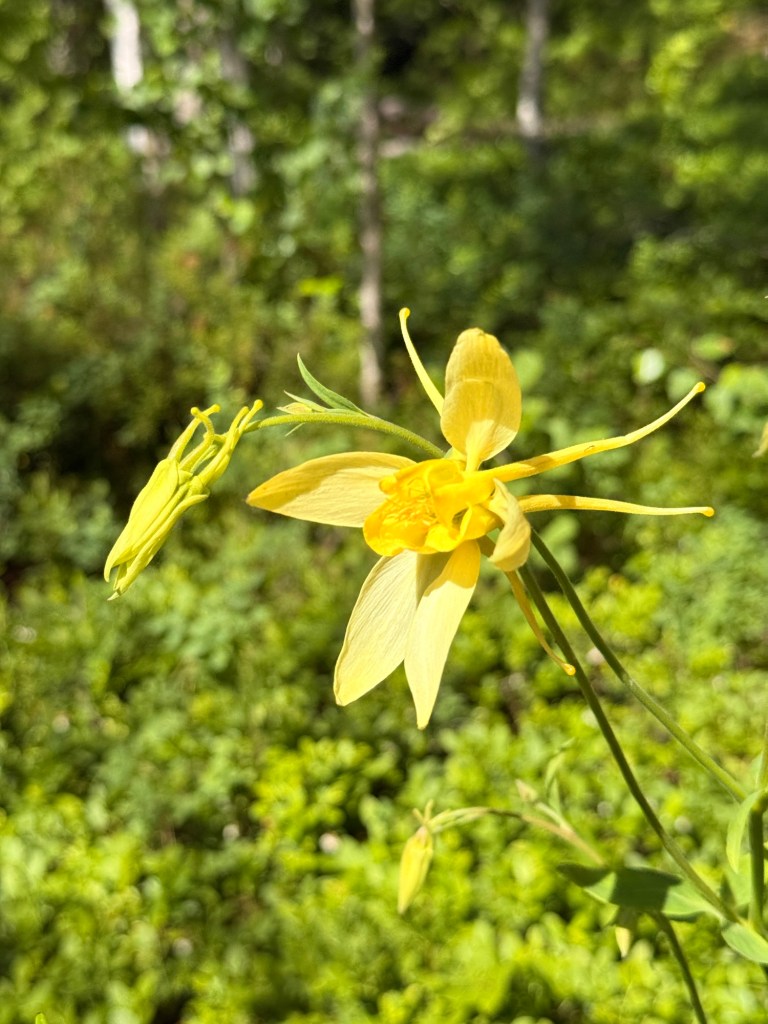
I have had Yellow Queen (Aquilegia chrysantha ‘Yellow Queen’) in the garden for few years now but never blooming this well.

Finally found a spot this columbine likes. Moderate shade and well drained soil seems to be the best place for it.

The Yellow Queen is quite tall but surprisingly survived the thunderstorm we had yesterday which was a surprise for me.

Must collect the seeds next month and plant more in the spring.

Standard
flower, gardening

Olympia

Columbine Olympia (Aquilegia ‘Olympia’) also called Lapland’s Aquilegia is always the one that blooms first. Way too earlier than the other aquilegias.

Even though it is a low growing variety it has big blooms and lots of them.

I only have this one plant and have been trying to grow more from the seeds but without success this far.

Standard
flower, gardening

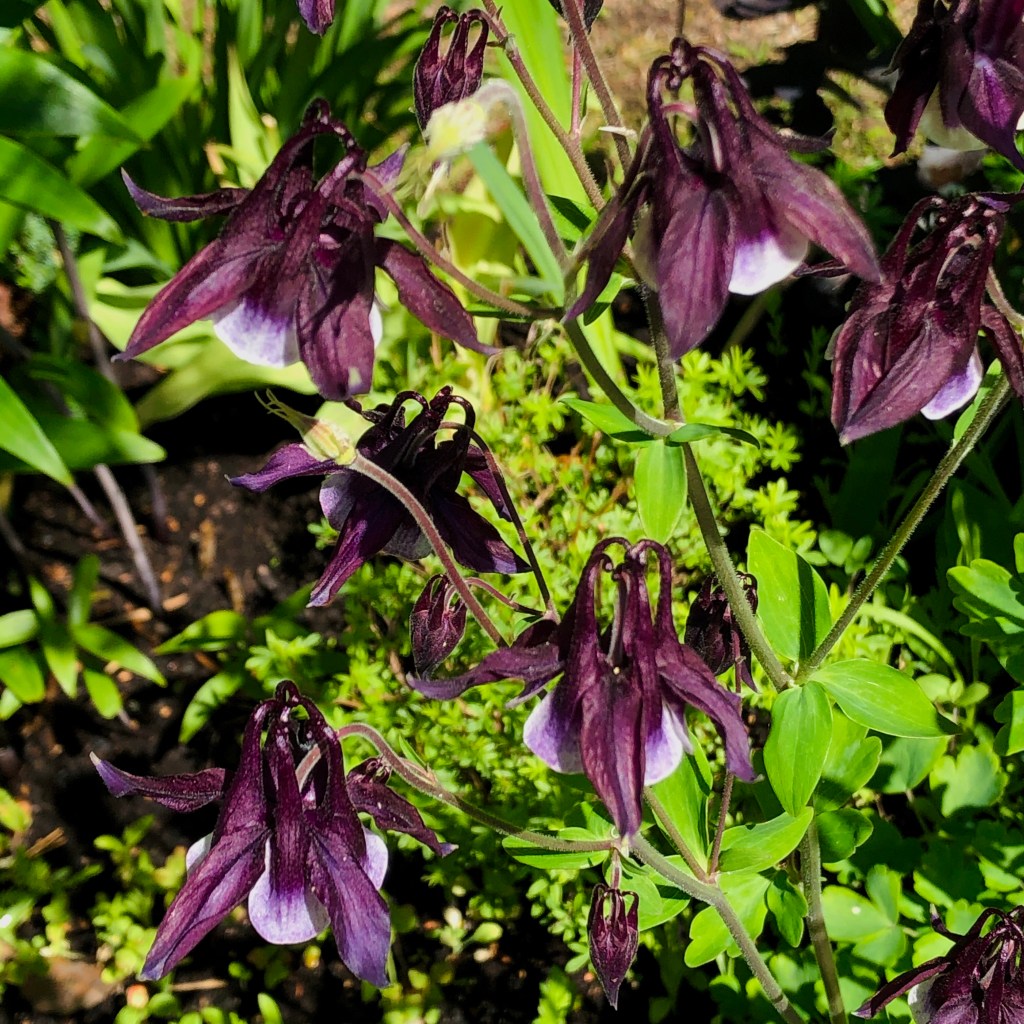
William Guiness

I usually grow my aquilegias from seed even though it takes two to three years from them to start blooming up here in the north.

With William Guiness (Aquilegia vulgaris ‘William Guiness’) I made an exception and bought a root ball.

The color of this aquilegia is very dark purple and it sort of needs a suitable background to stand out. The shape though is beautiful and stems tall.

Standard
flower, gardening

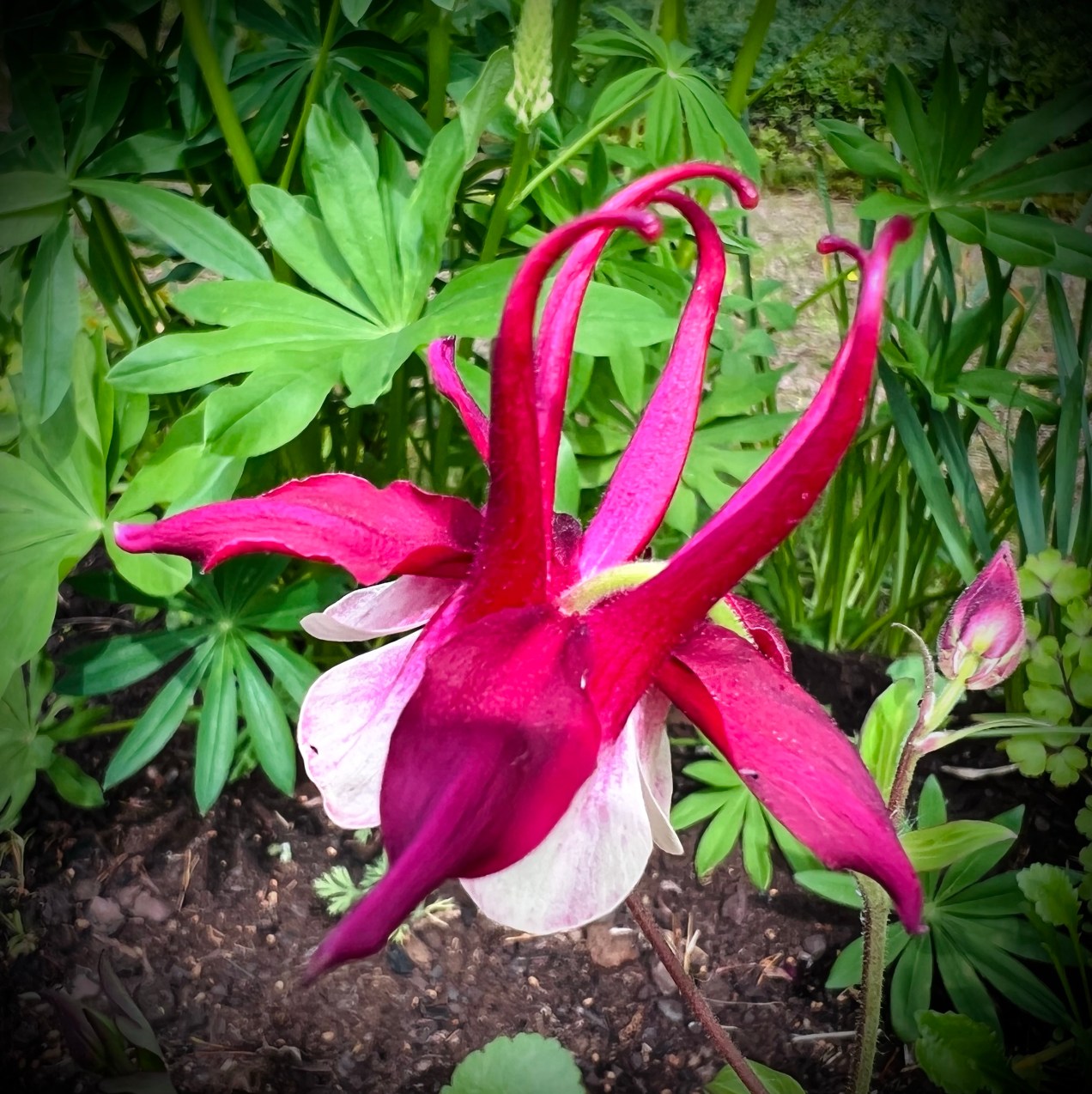
Bordeaux Barlow

Bordeaux Barlows (Aquilegia vulgaris var. stellata ‘Bordeaux Barlow’) is blooming nicely this year. Must try to grow more Aquilegias from the Barlow series.

I have managed to spend two weeks on the summer cottage by the lake and the weather has been great.

I sometimes wonder how much joy and happiness can a small lake bring to your life.

My mother’s parents and her grandparents have a small farm by the lake. The farm is as modest as it can be. My great grandparents established it and my grandparents and now my parents live there. After retiring they decided to move to the farm and be here by the lake.

As a child I spend all my summers with my grandparents while my parents were working. A whole summer taking care of the cows with my gramma and I guess it was her and my other grandmother who thought me my love to grow plants.

I cannot think having a better childhood.

My grandparents from my father’s side have a summer cottage on the other side of the lake. All the grandparents and all the family around the lake made all the difference.

Standard