flower, gardening

Yellow Queen

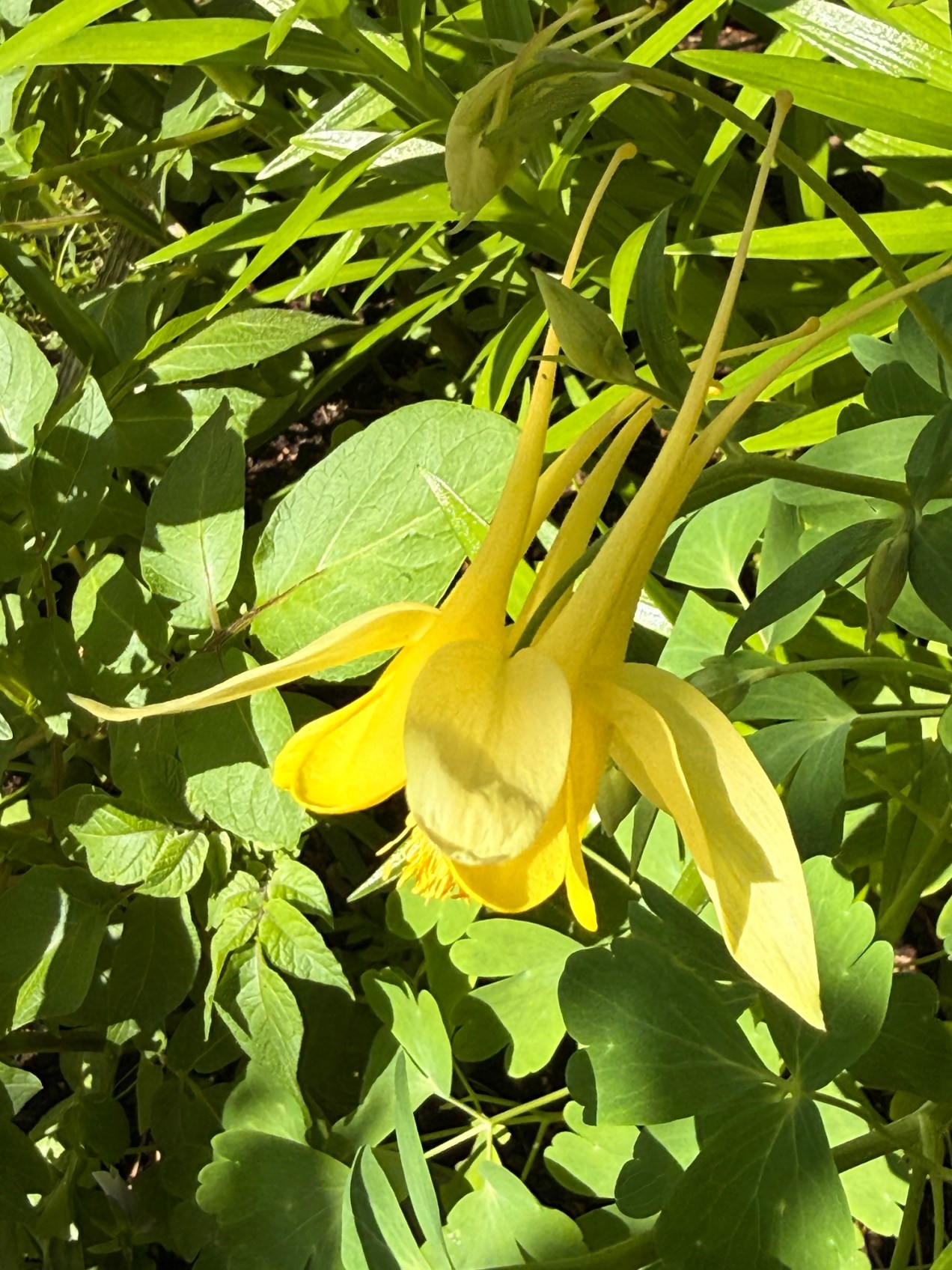
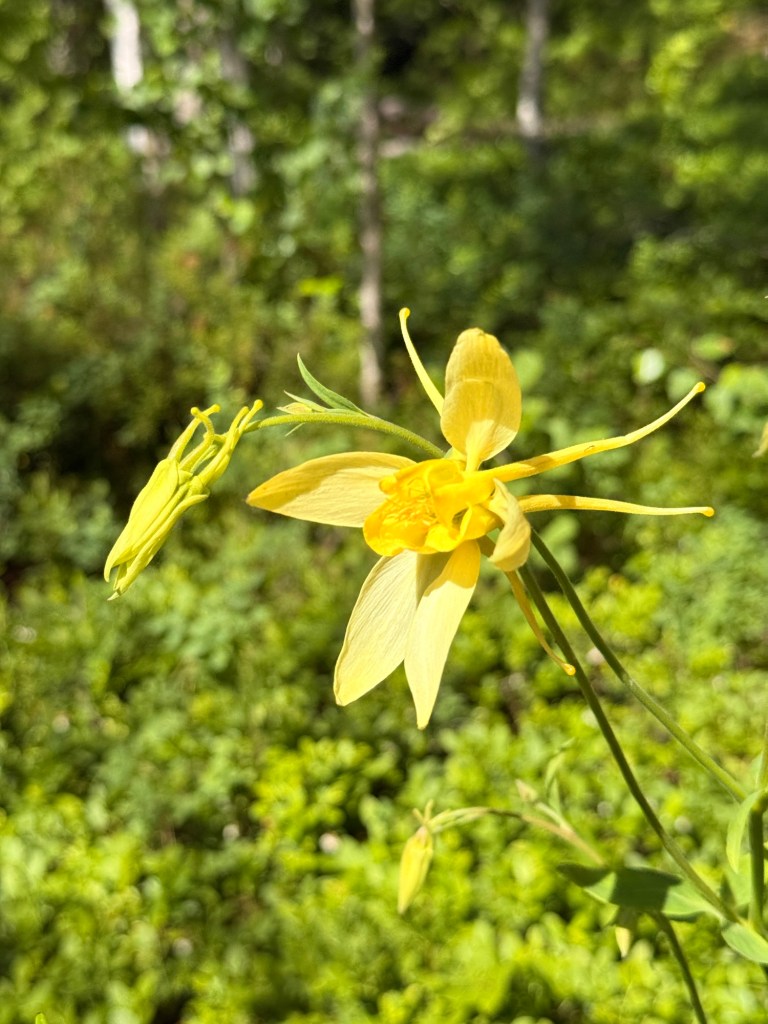
If I had to name the most successful columbine at the summer cottage, it would certainly be Aquilegia chrysantha ‘Yellow Queen’. It has been growing here for nearly eight years now and still seems just as happy as ever. Some plants come and go, while others struggle with the conditions, but Yellow Queen has quietly settled in and made itself at home.

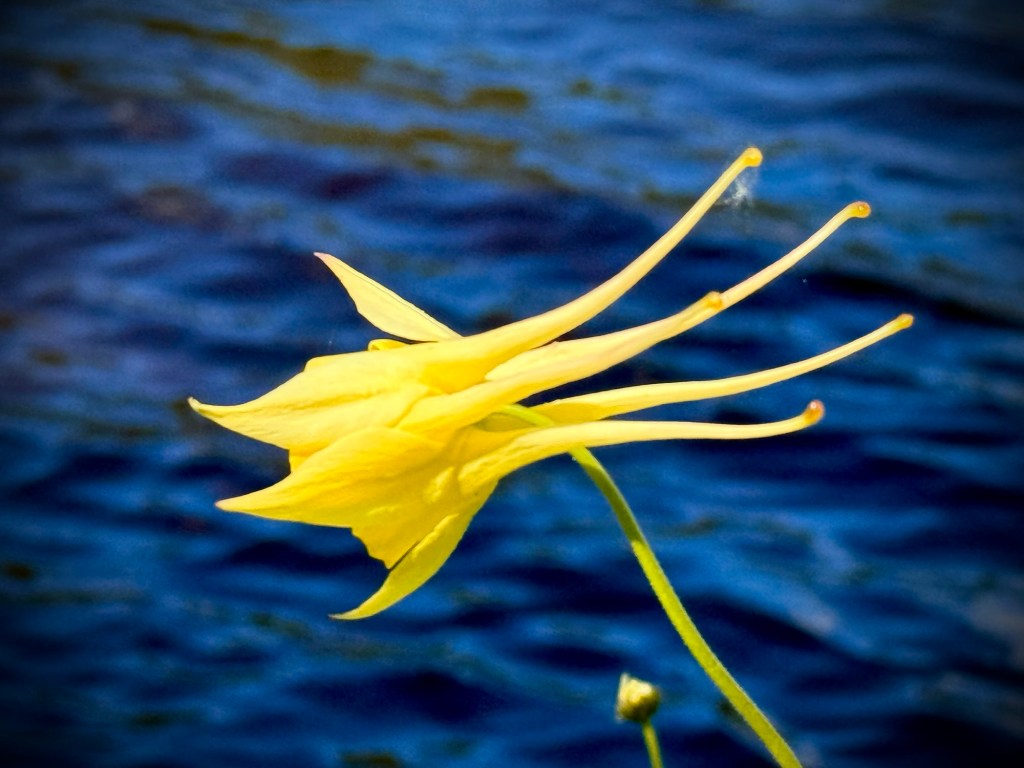
What I especially love about this flower is its shape. The blooms are unlike any other columbine I grow. Their long, elegant spurs give them a graceful appearance, almost as if they are floating above the foliage. The bright yellow colour is cheerful without being overwhelming and stands out beautifully in the gentle light of a northern summer.

For a long time now, Yellow Queen has shared its place with the lilies. Every year they bloom together, creating a combination that I always look forward to seeing. The lilies provide bold structure while the airy flowers of the columbine bring a lighter touch. After all these years they seem perfectly suited to one another.

One reason I appreciate Yellow Queen so much is its reliability. Columbines can sometimes be short-lived, but this variety has proved remarkably persistent. It returns year after year with little fuss, producing plenty of flowers and maintaining its place despite the challenges of cottage conditions. Perhaps that is why it has become one of my favourites.

I have also managed to establish a second plant near the lake. It is still finding its place there, but I hope that in time it will grow as vigorously as the original clump. It would be lovely to see Yellow Queen spread to other corners of the cottage surroundings. The flower is too beautiful to remain in only one spot.

For now, though, I am simply happy that the old plant continues to thrive. Each summer it reminds me that some garden companions are worth waiting for. Year after year, Yellow Queen returns with its golden flowers, as dependable and beautiful as ever.
Standard
Animal

Water Snake

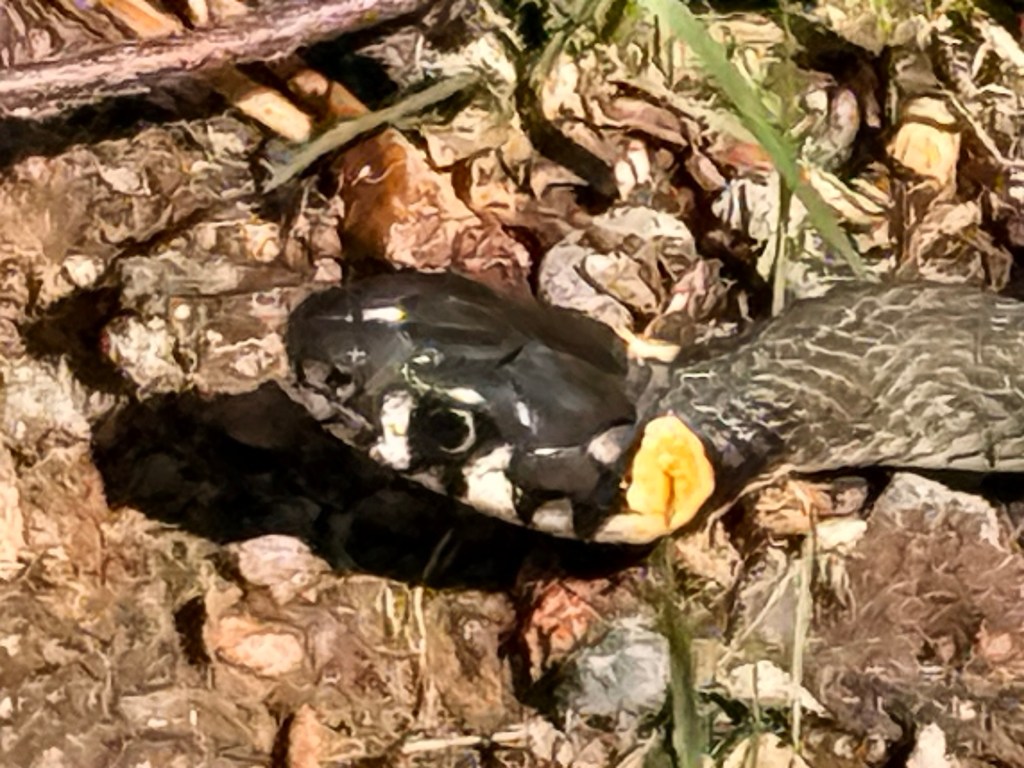
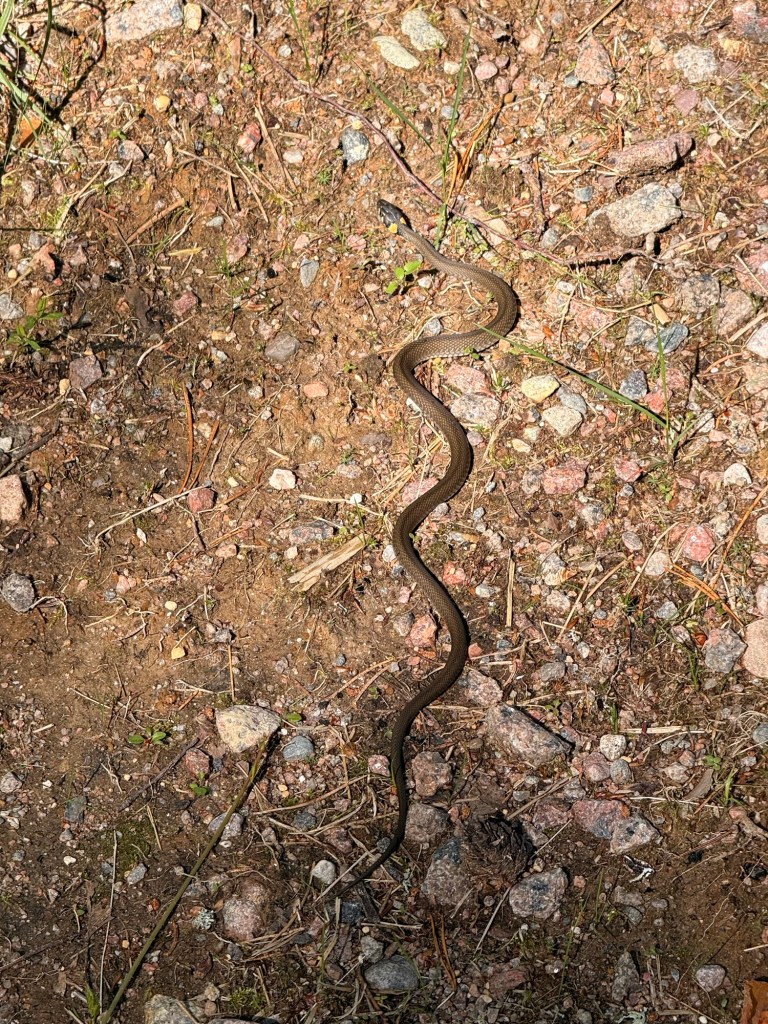
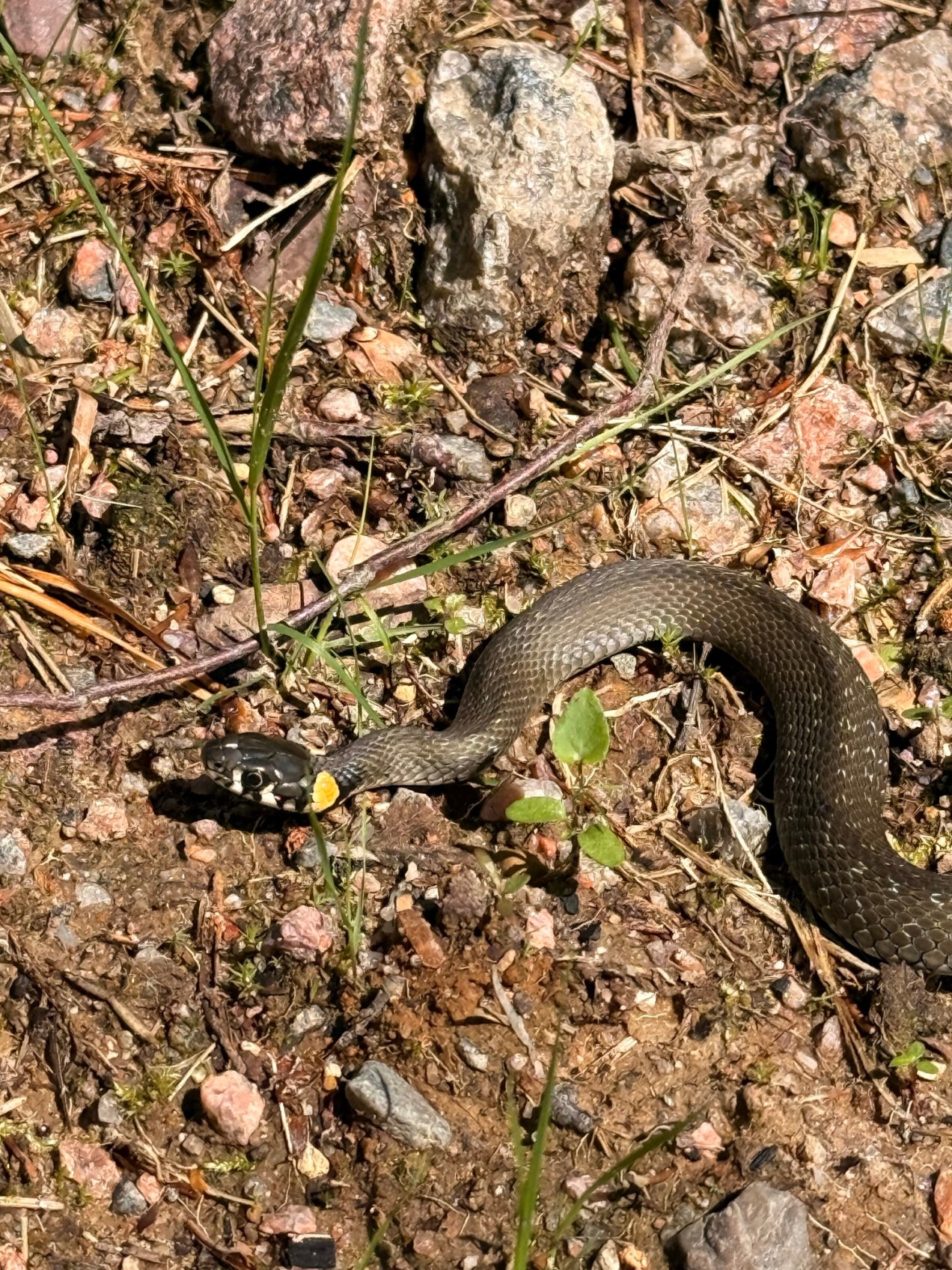
I came across a grass snake while walking along the road this time, rather than by the water. It was one of those quiet moments that seem small at first but stay with you afterwards. The snake moved off the warm surface slowly, unhurried, and for a moment I simply stopped and watched before continuing on.


The species is Natrix natrix, often called the grass snake or the water snake. Around here it is sometimes just referred to as a water snake, which suits it well when you see it swimming so naturally in the lake. Every summer, if you spend enough time near the water, you are likely to see one. They seem to belong here as much as the reeds, the fish, and the long northern evenings.


I have never really understood why so many people are afraid of them. Natrix natrix is completely harmless to humans. In Finland, we only have one truly venomous snake—the adder—and everything else you are likely to encounter in nature is safe. Still, snakes in general tend to carry a certain reputation that does not quite match reality.


Watching them changes that perception quickly. There is nothing aggressive about them. In fact, they are rather timid. If you surprise one, it will usually try to escape as quickly as it can, disappearing into grass or water. But if you stay still and quiet, they sometimes become used to your presence.


I have noticed that after a while, a grass snake may even remain nearby instead of fleeing. It might lift its head slightly, as if observing in return, before settling again. There is something peaceful in that moment, two beings sharing the same place without disturbance.


They seem to enjoy warmth just as much as any other creature. On calm days, you might find one resting on a rock or partly hidden in vegetation, simply sunbathing. The stillness of that scene fits perfectly with the rhythm of summer by the lake.


Their life is closely tied to water. They hunt fish and amphibians, and they move easily between land and lake. Seeing one swim is always a small highlight. The way they glide through the water—quiet, steady, almost effortless—fits so naturally into the landscape that it feels like just another part of it.


Here, seeing a grass snake is almost a tradition of summer. Year after year, they appear in the same familiar places, reminding you how nature continues its patterns regardless of everything else.


Moments like this remind me how much there is to notice if you slow down. The grass snake may not be the first animal people think of when they talk about beautiful wildlife, but it deserves far more appreciation than it usually gets. It is calm, harmless, and very much a part of this environment.


Next time you see one, it might be worth pausing instead of stepping back. Just watch for a moment. You may find it is not something to fear at all, but simply another quiet neighbour enjoying the same summer day.

Standard
flower, gardening

Russell Red

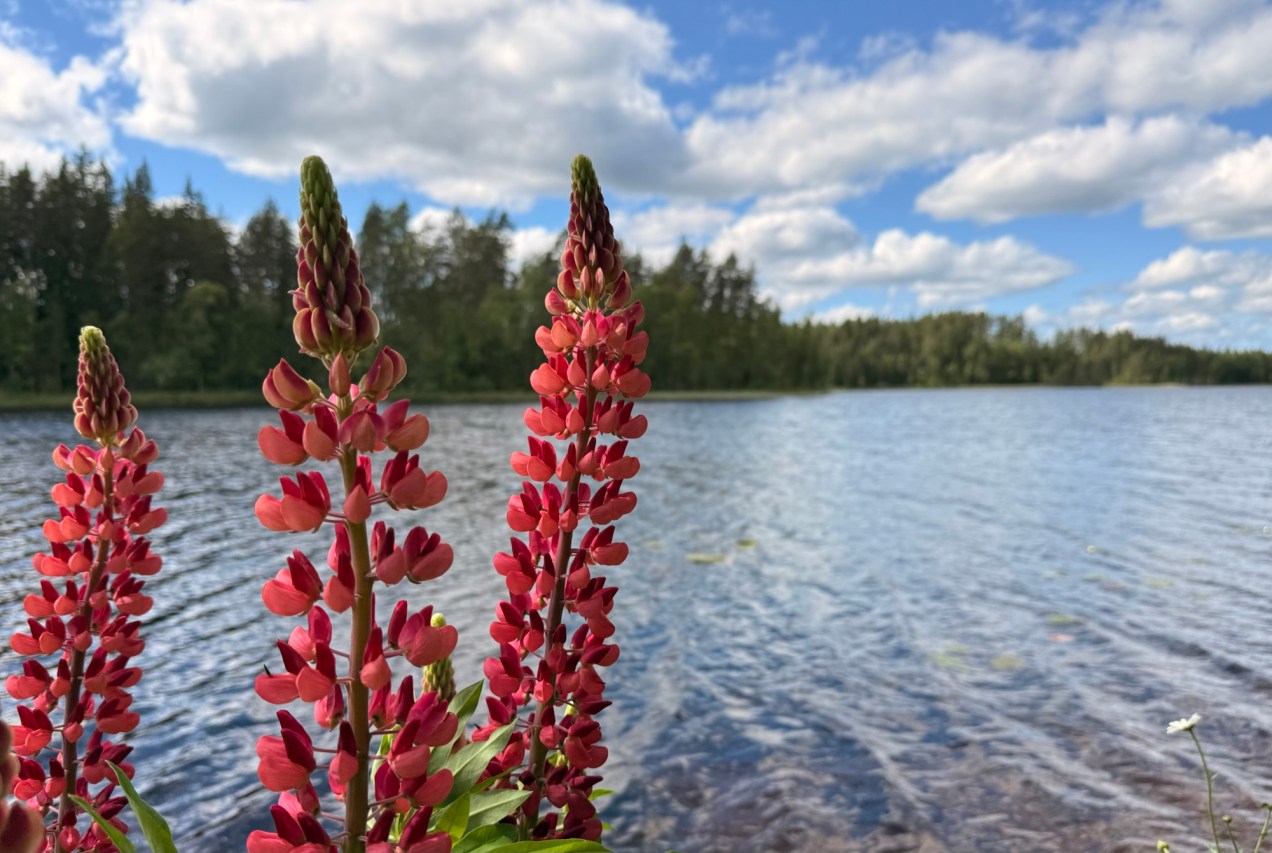
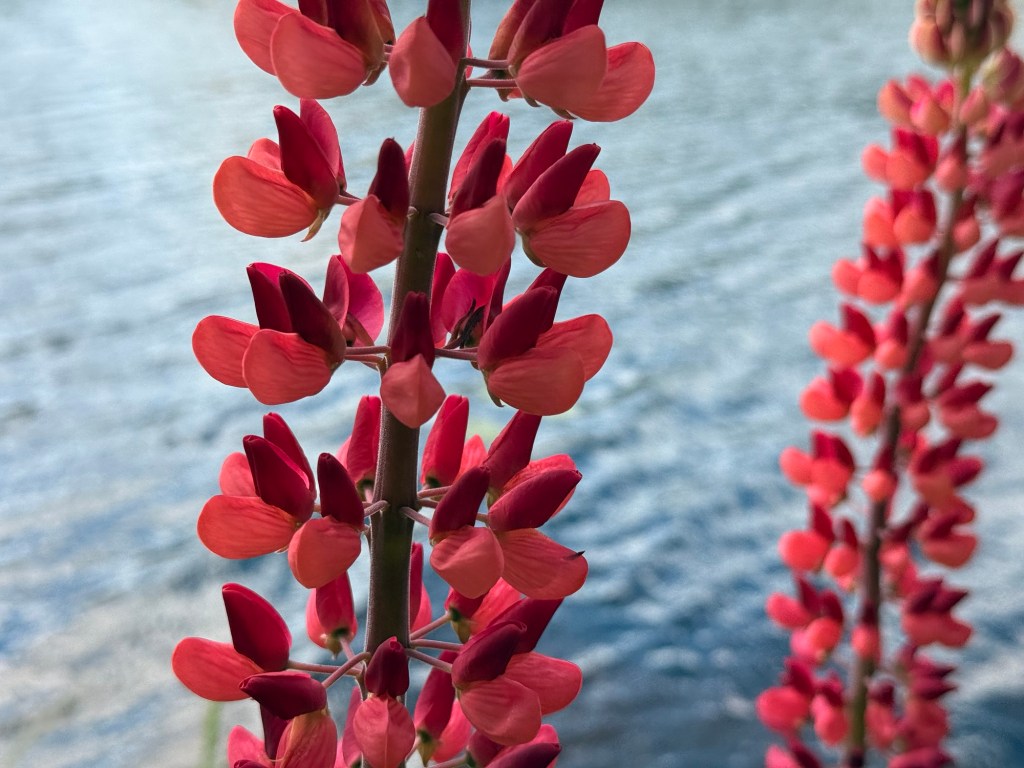
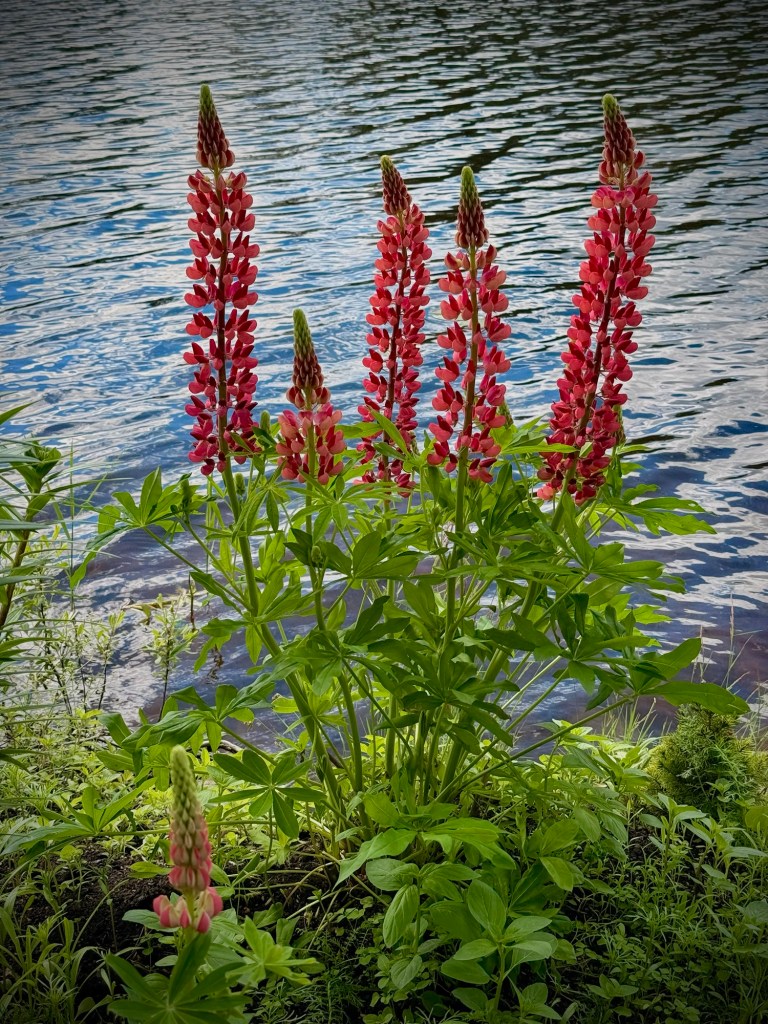
This summer, one of the flowers quietly catching my attention by the lake is the Russell Red lupin. The colour is slightly different from what I expected. It is not just red, but more of a mixture of red and pink, changing a little depending on the light. Sometimes it feels soft, almost faded, and at other times it shows a deeper, warmer tone.


I haven’t really had this colour before, and that is probably why it stands out. Still, it fits naturally into the surroundings. It does not feel too bright or too strong, just somewhere in between.


The Russell varieties are something I have come to appreciate over time. There is something reliable about them. They grow steadily, form their tall spikes, and then bloom in a way that feels generous. Even this red–pink shade, which is new to me, has that same calm presence.


These lupins belong to the Russell group, usually classified as Lupinus × regalis, hybrids originally developed from Lupinus polyphyllus. They are known for their strong vertical growth and wide range of colours, which is probably why every plant feels slightly different.


One thing I like especially is how easy they are. Here in the north, that matters. You cannot expect every plant to survive without some thought. You have to plan where they go. If the place is wrong, they slowly disappear. But when they are happy, they manage well on their own.
This one started blooming early in the season and continues steadily. The flowers open from the bottom upwards, which keeps them going for a long time. Even when I am not here every day, I know they will manage without much attention.


I am still waiting for the others to bloom. With these lupins, there is always a bit of uncertainty. You never fully know what colours will come.
For now, this red and pink mix is enough. It brings a quiet variation to the garden and works beautifully with the open space by the lake. Not perfect, not planned too much—just growing as it happens.

Standard