
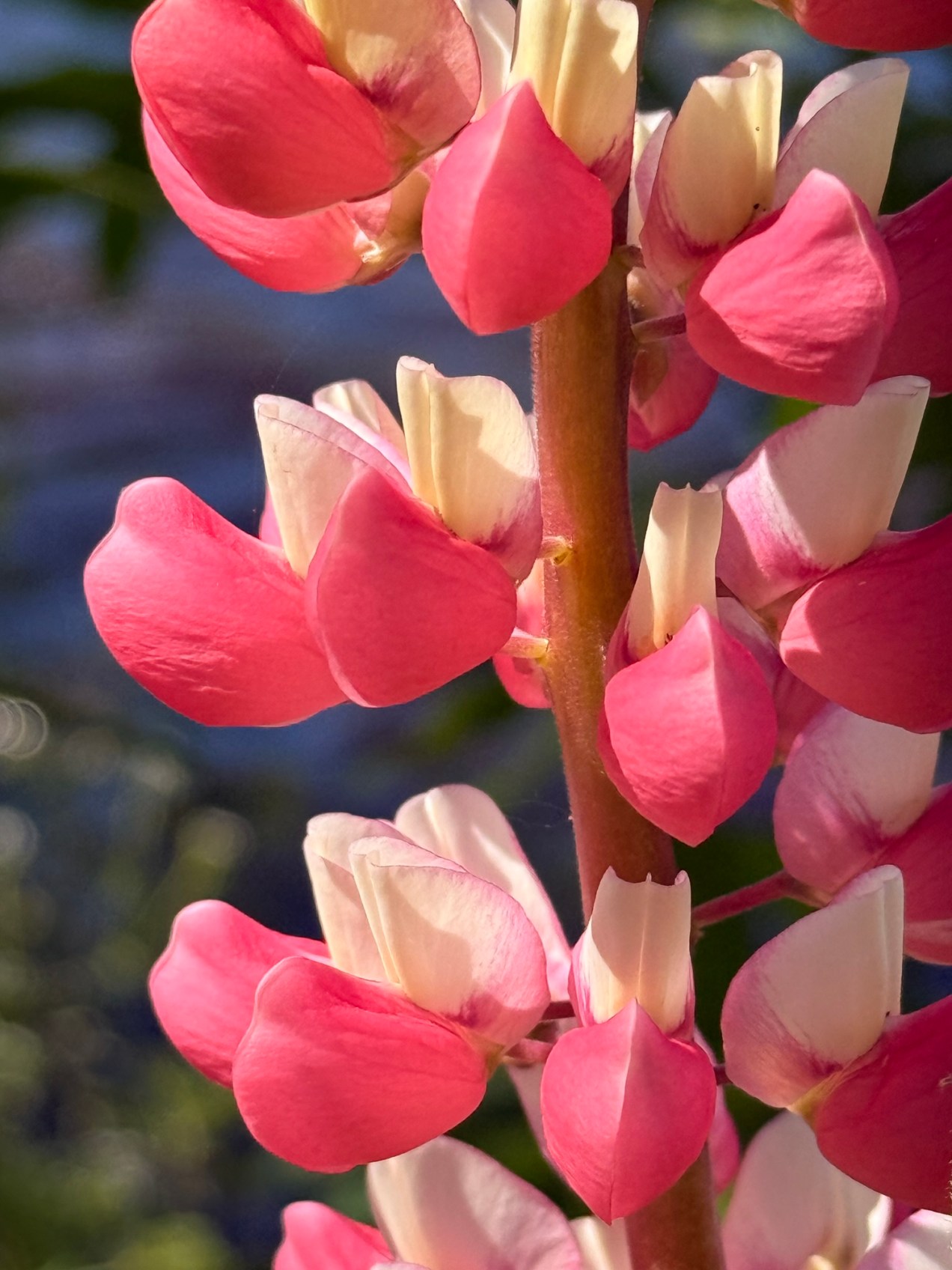
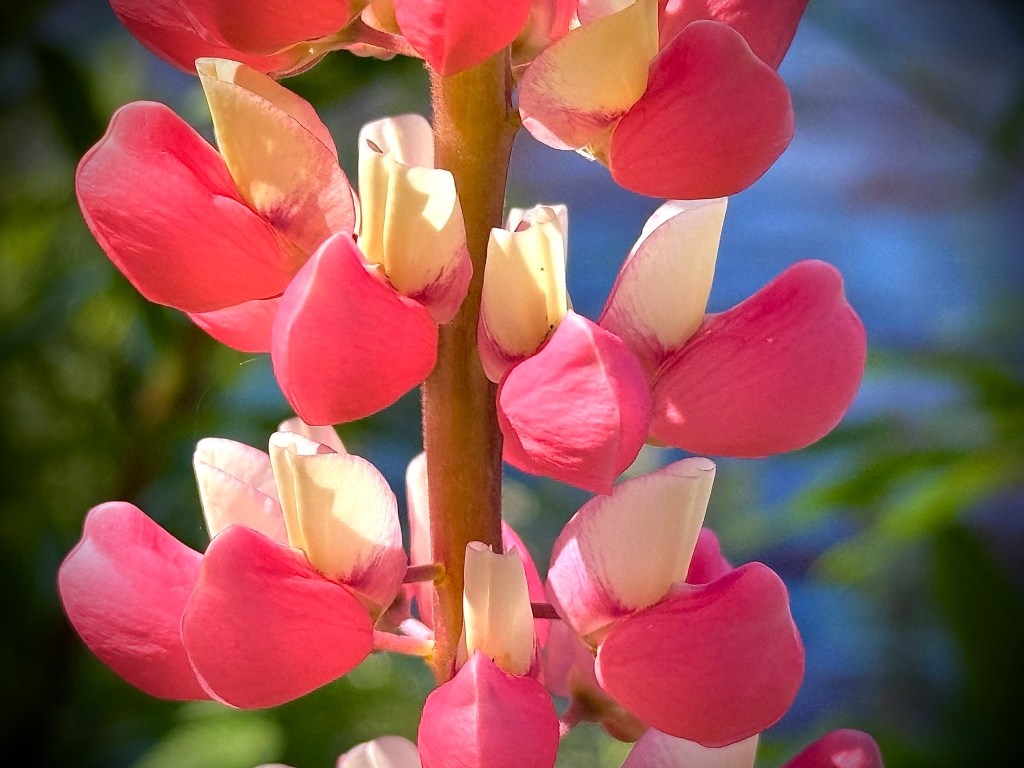
Some flowers attract attention from a distance, while others invite you to come a little closer. Lupinus polyphyllus ‘Chatelaine’, a member of the Russell Lupin group, is one of those flowers. Its tall flower spikes may not always be the largest in the garden, but there is a grace and elegance about them that makes me stop and admire them every summer.
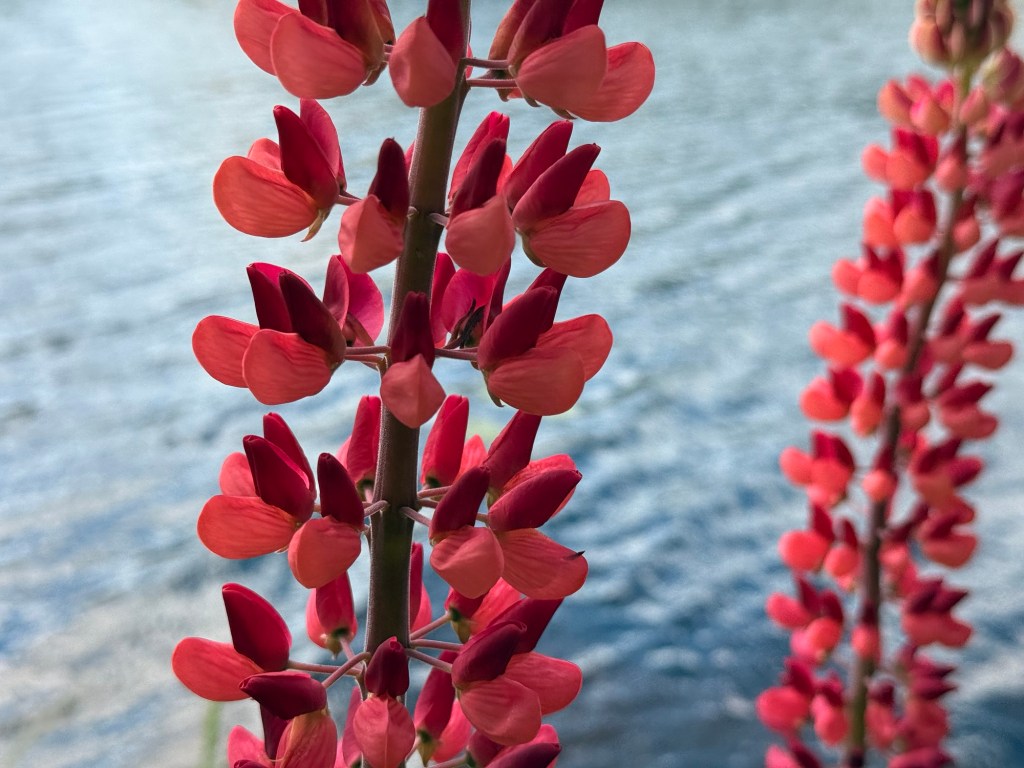
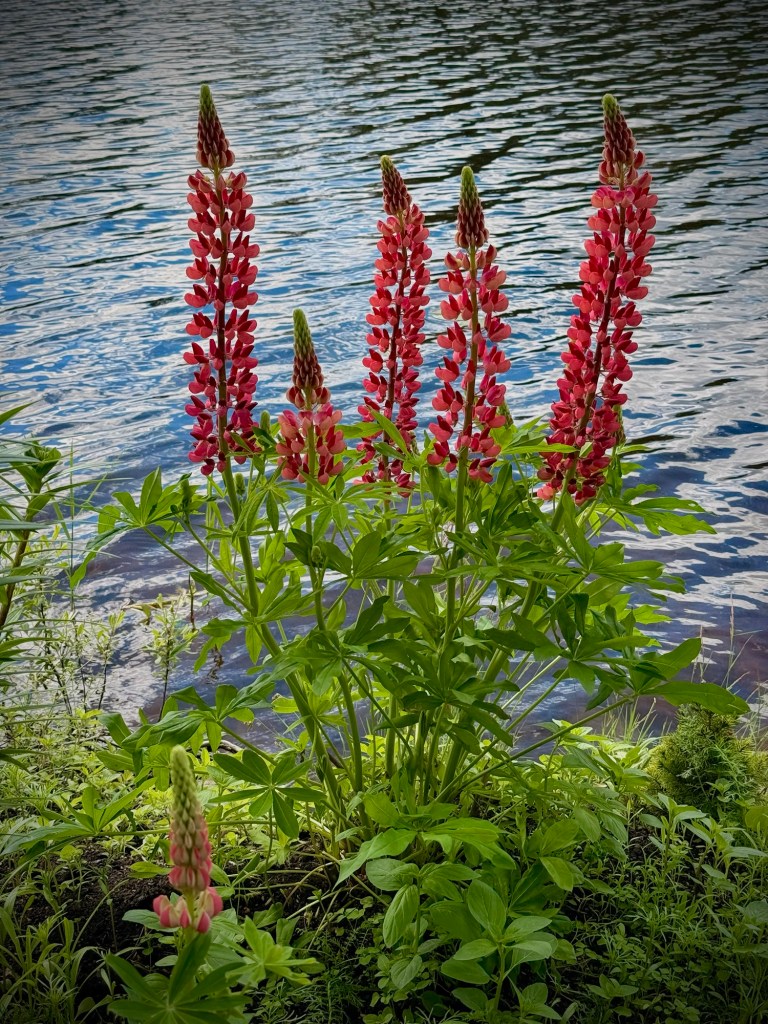
The blooms are a beautiful blend of pink shades, creating a soft display that stands out among the greens of early summer. As the flower spikes sway gently in the breeze, they bring movement and colour to the garden. On warm days they attract bees and other pollinators, and I often find myself watching the activity around them for a few moments longer than I intended.
Over the years I have grown many different flowers, but some become favourites simply because they never disappoint. Chatelaine is one of those plants. It returns faithfully each year and produces its flowers just as the garden is beginning to reach its summer peak. In a northern garden, where the growing season always feels too short, dependable plants become especially valuable.
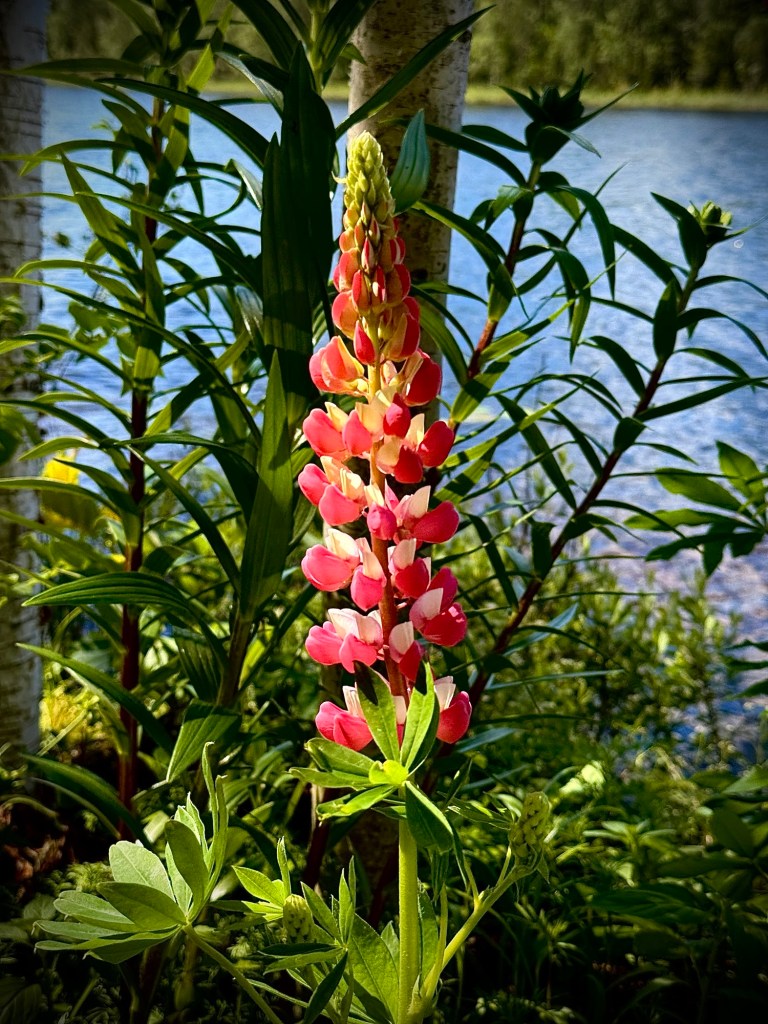
One of the things I appreciate most about this lupin is how easily it fits into a mixed flower bed. It combines beautifully with many other summer-flowering perennials without competing for attention. Some flowers demand to be the centre of attention, but Chatelaine seems content to complement its neighbours. The result is a natural and balanced display that looks different every year depending on the weather and the surrounding plants.
Every growing season brings its own surprises. One summer may be warm and sunny, another cool and rainy. Yet the garden always finds a way to reward patience. Even familiar plants reveal new details when viewed from season to season. Sometimes it is the abundance of flowers, sometimes the colours appear richer than usual, and sometimes it is simply the pleasure of seeing a favourite perennial emerge once again after a long winter.
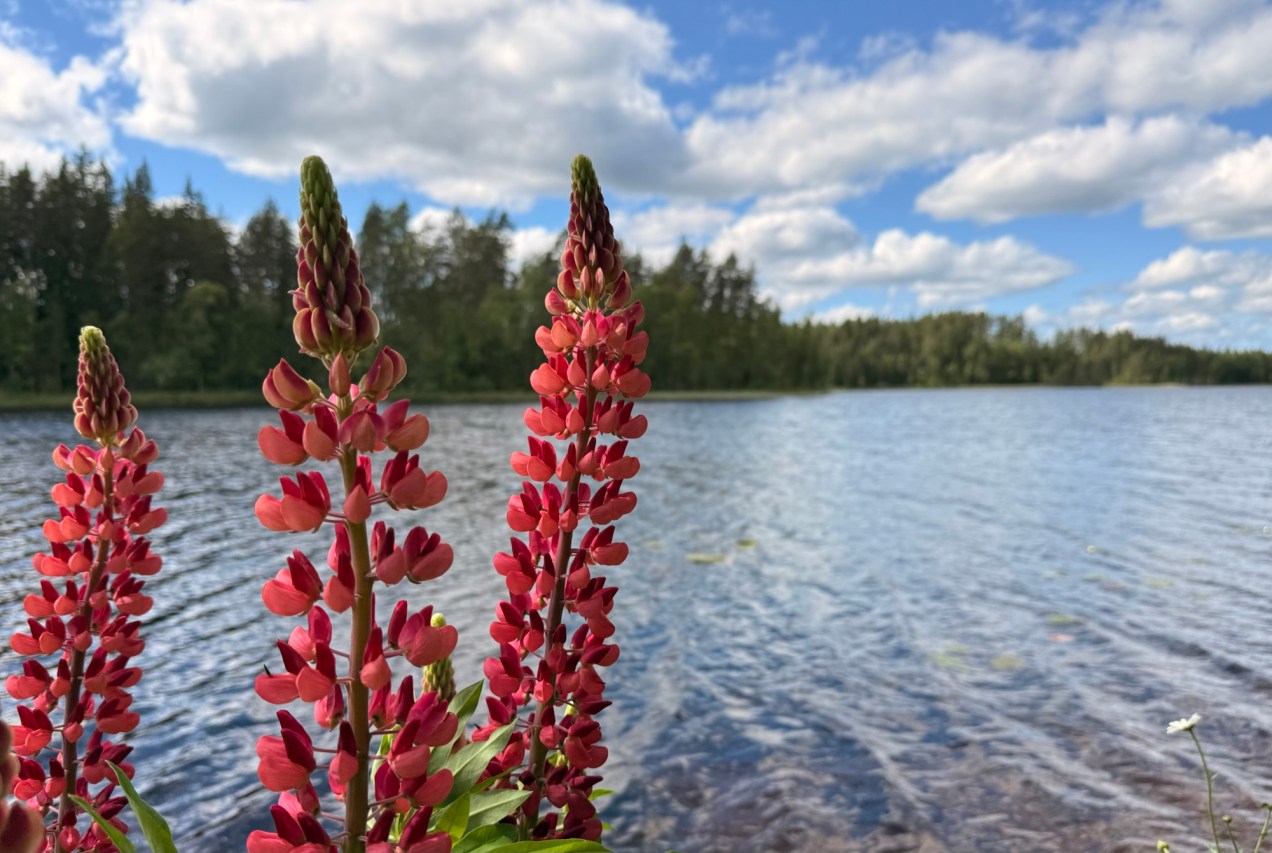
At the cottage by the lake, summer days seem to pass at a gentler pace. Morning coffee on the terrace and quiet moments spent looking at the flower beds have become small traditions that I look forward to every year. Chatelaine fits perfectly into those moments. It is not an extravagant flower, but it has a quiet beauty that never fails to catch my eye.
As June turns into July and the garden reaches one of its most colourful periods, I often find myself appreciating plants like Chatelaine the most. They may not be the rarest or most unusual flowers, but they bring reliability, beauty and a sense of continuity to the garden. Year after year they return, bloom and remind me why I enjoy gardening so much.
Lupinus polyphyllus ‘Chatelaine’ is one of those plants whose beauty grows with familiarity. The more summers I spend with it, the more I appreciate its charm. Sometimes the most memorable flowers are not the loudest ones, but those that quietly return and make each summer feel complete.
 Gardening in the North