flower, gardening

Violet

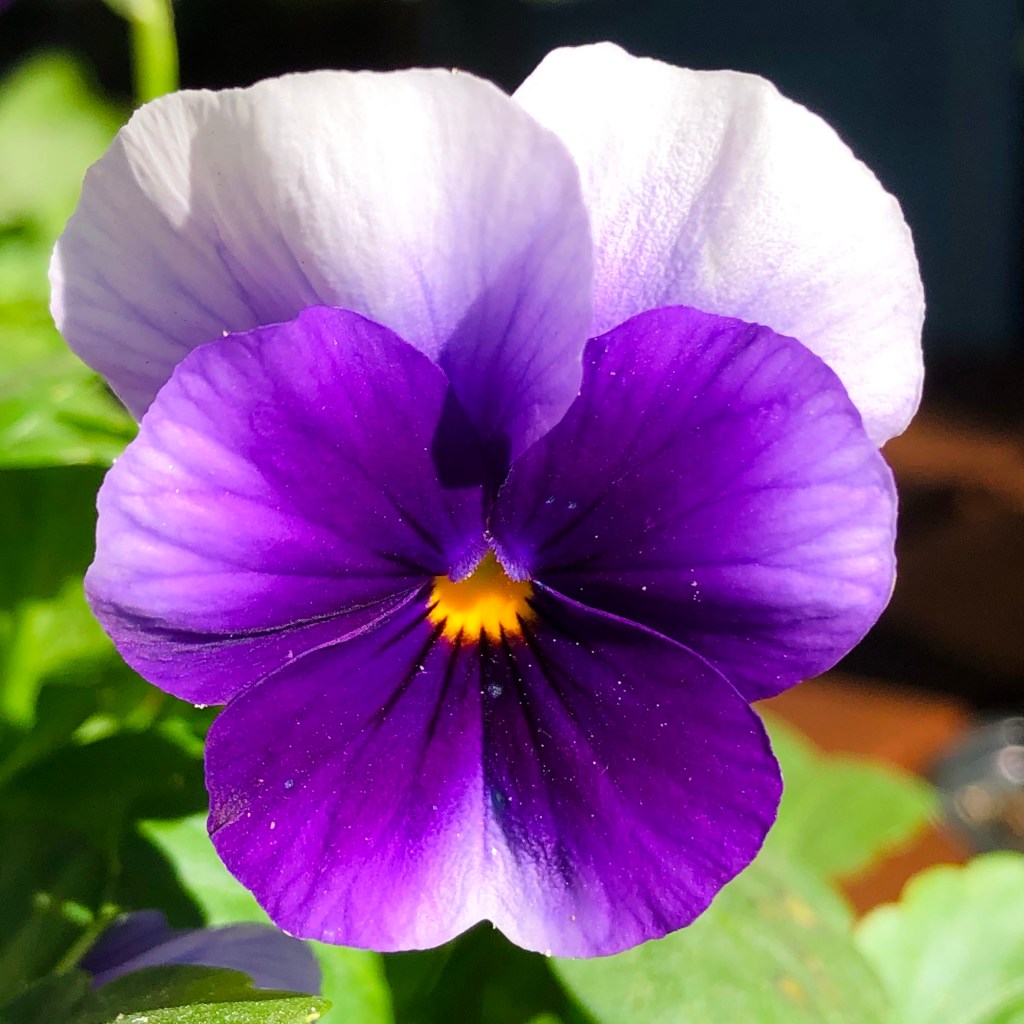
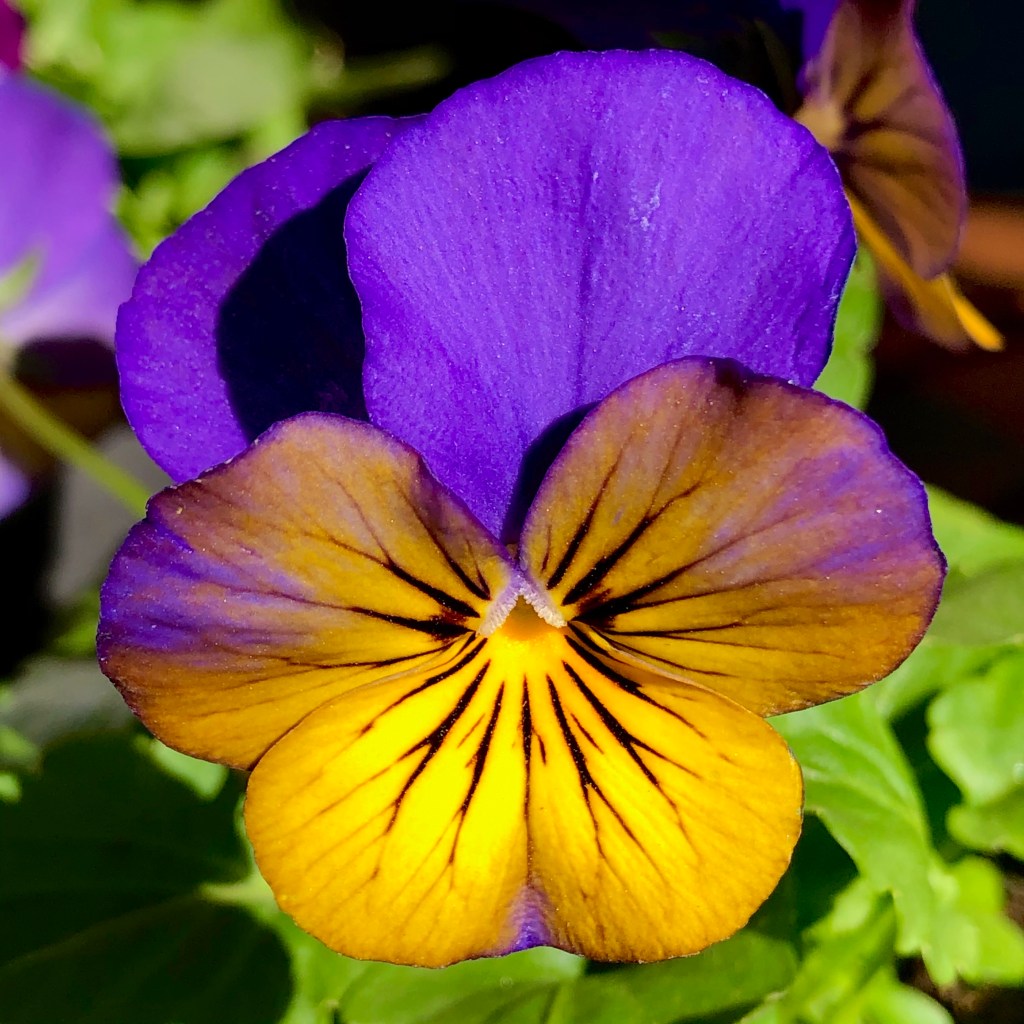
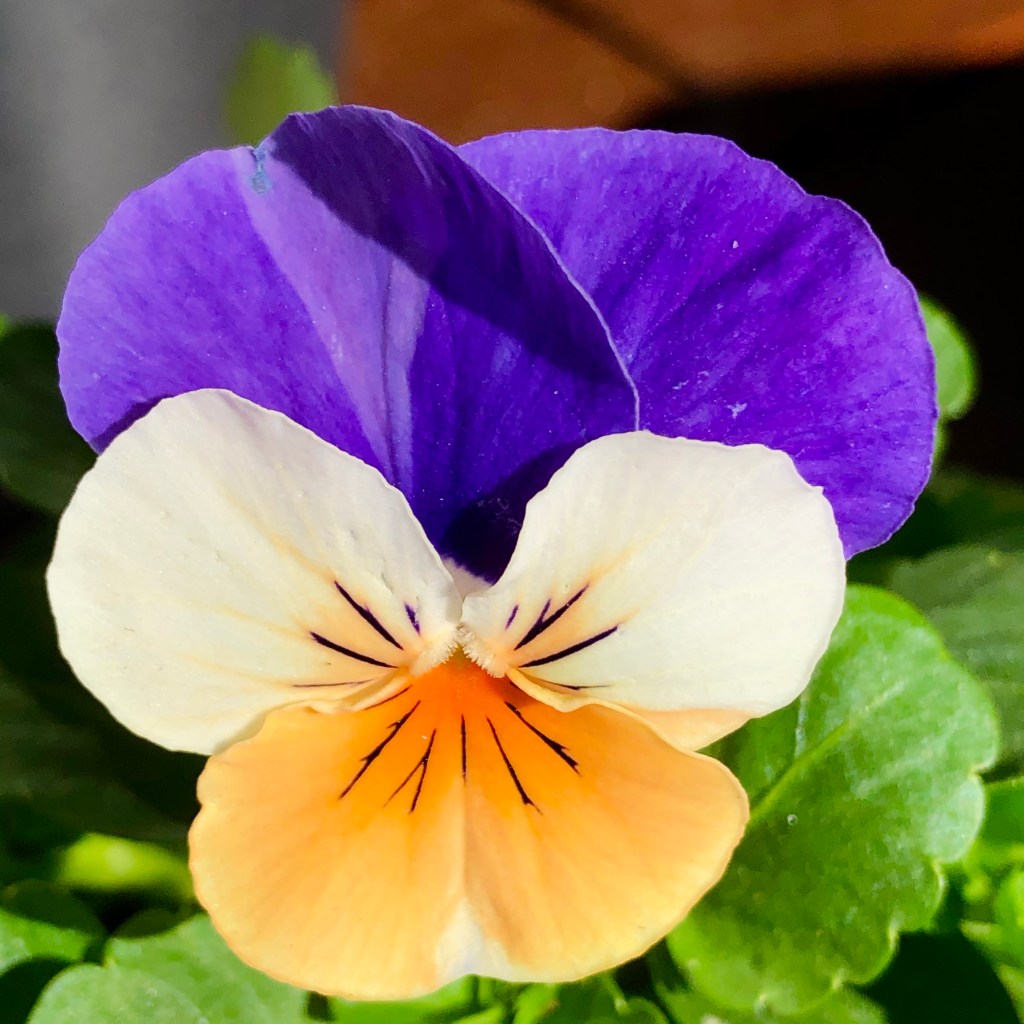
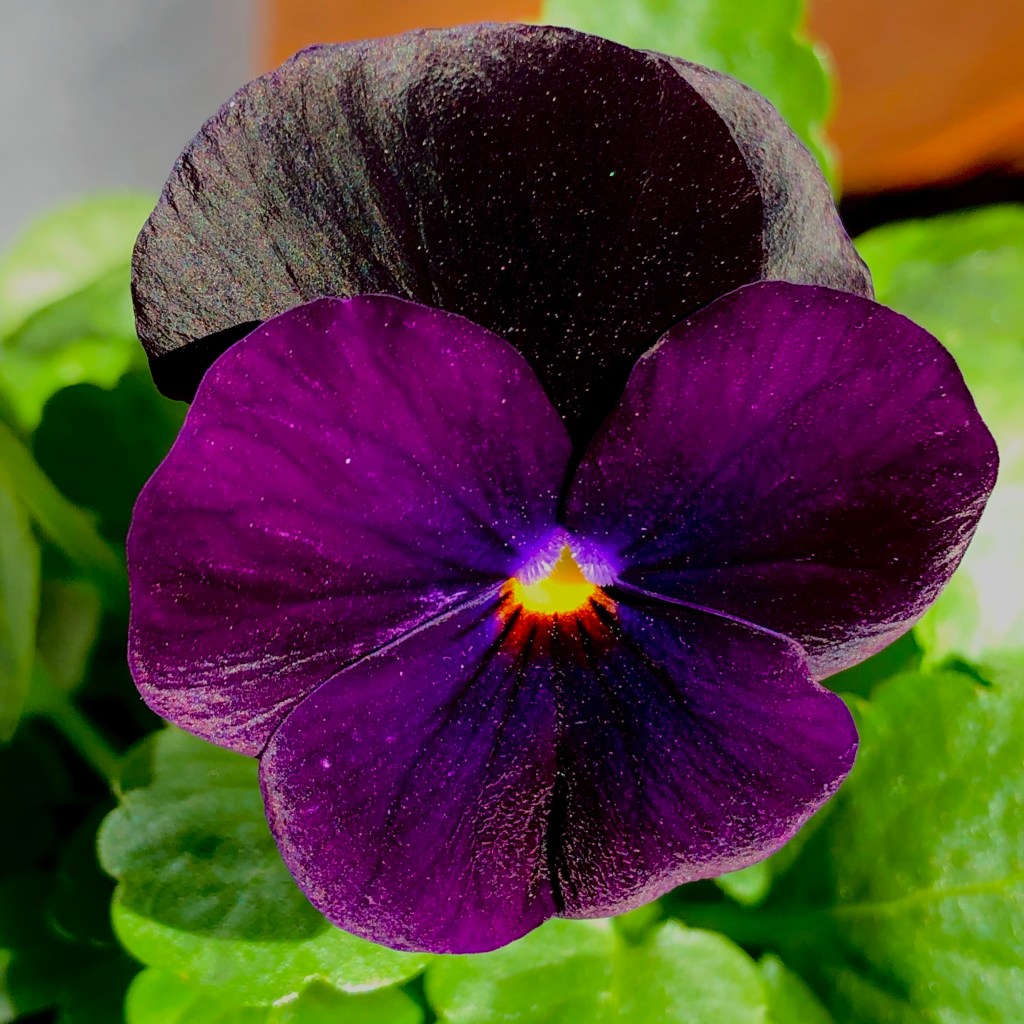
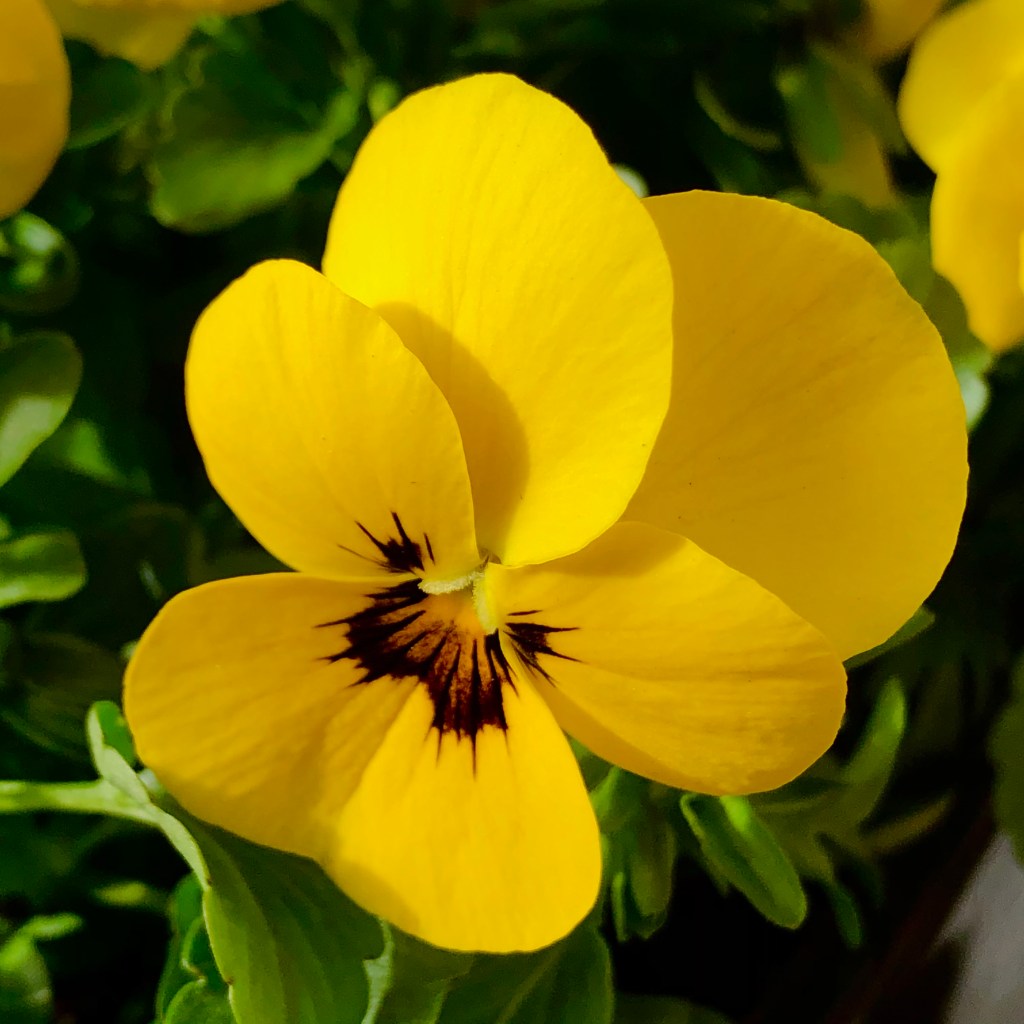
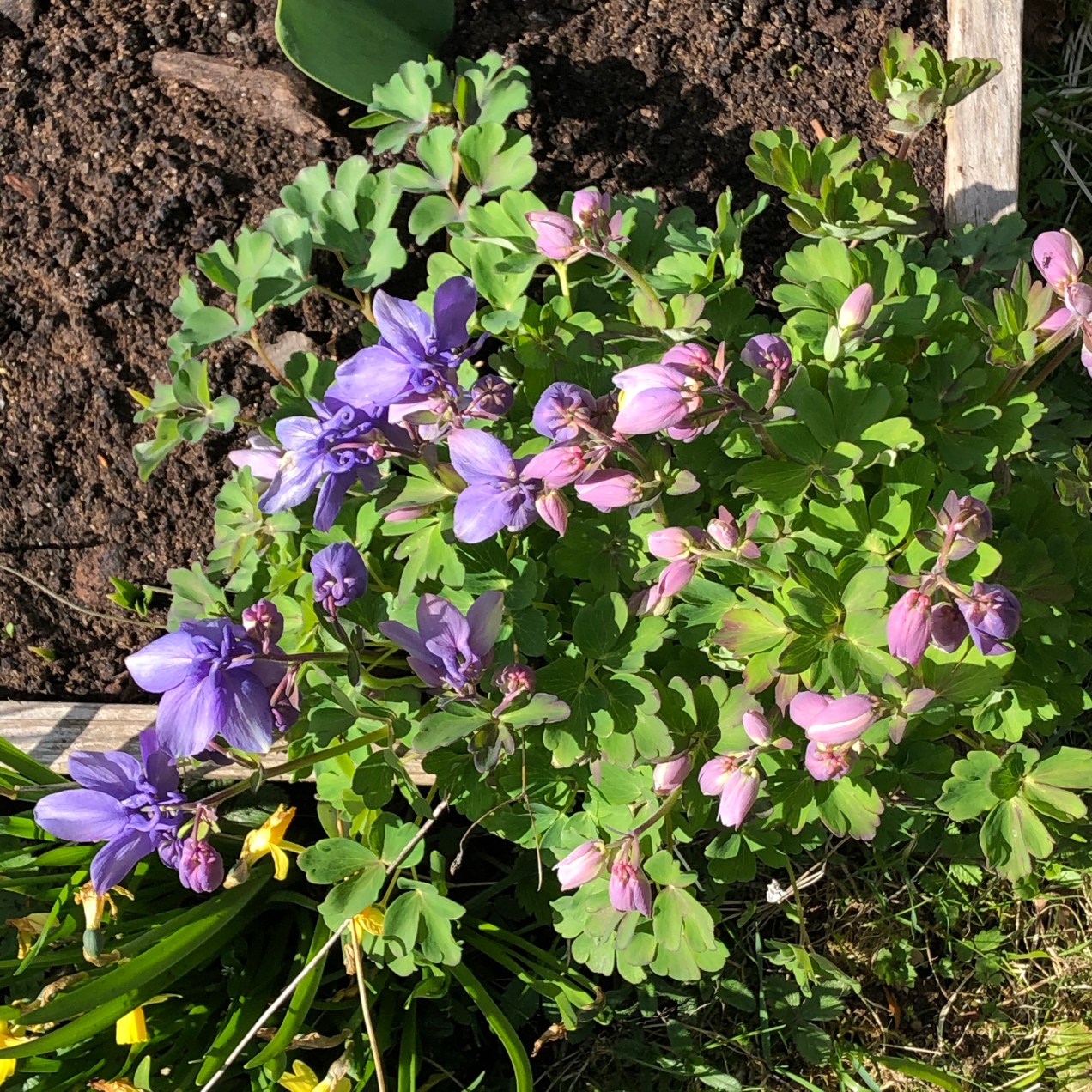
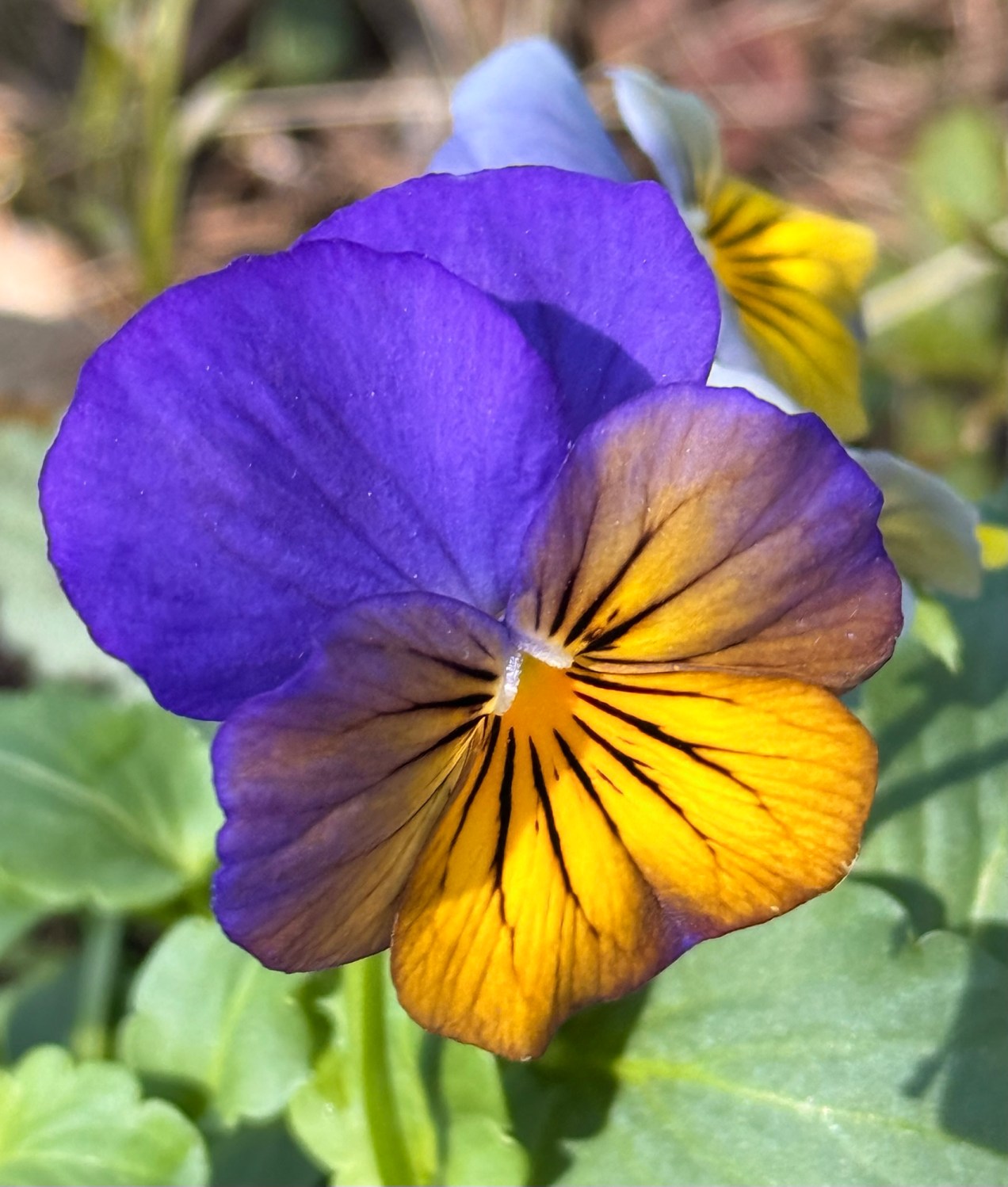
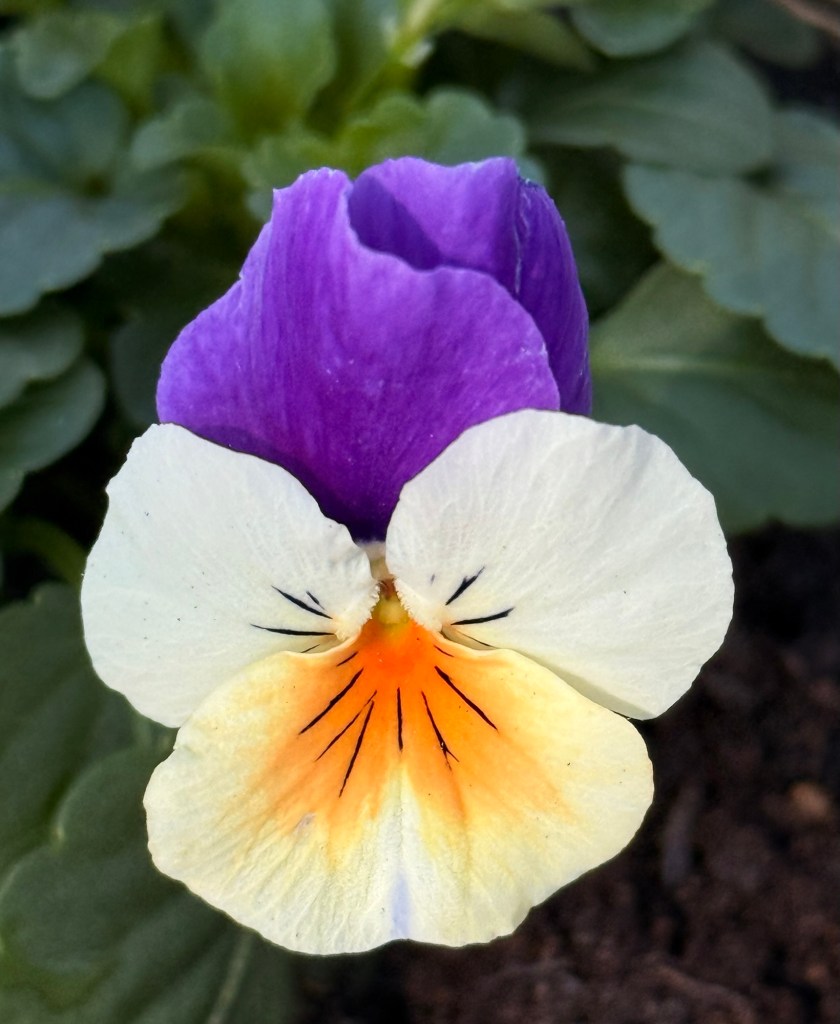
Every spring brings the same quiet but important question: what kind of violets should I choose this year? Violets are often the very first flowers that mark the beginning of the season, and somehow the choice always feels bigger than it should. Small flowers, perhaps, but they carry the whole promise of spring with them.

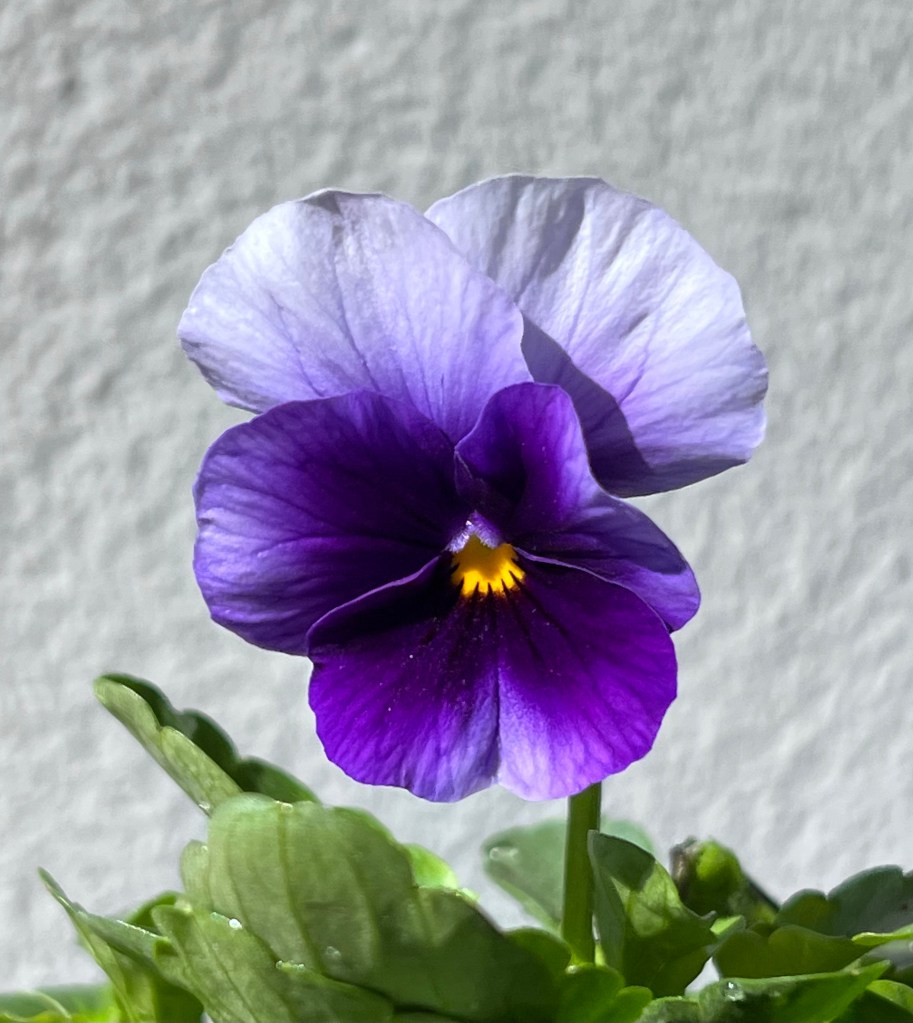
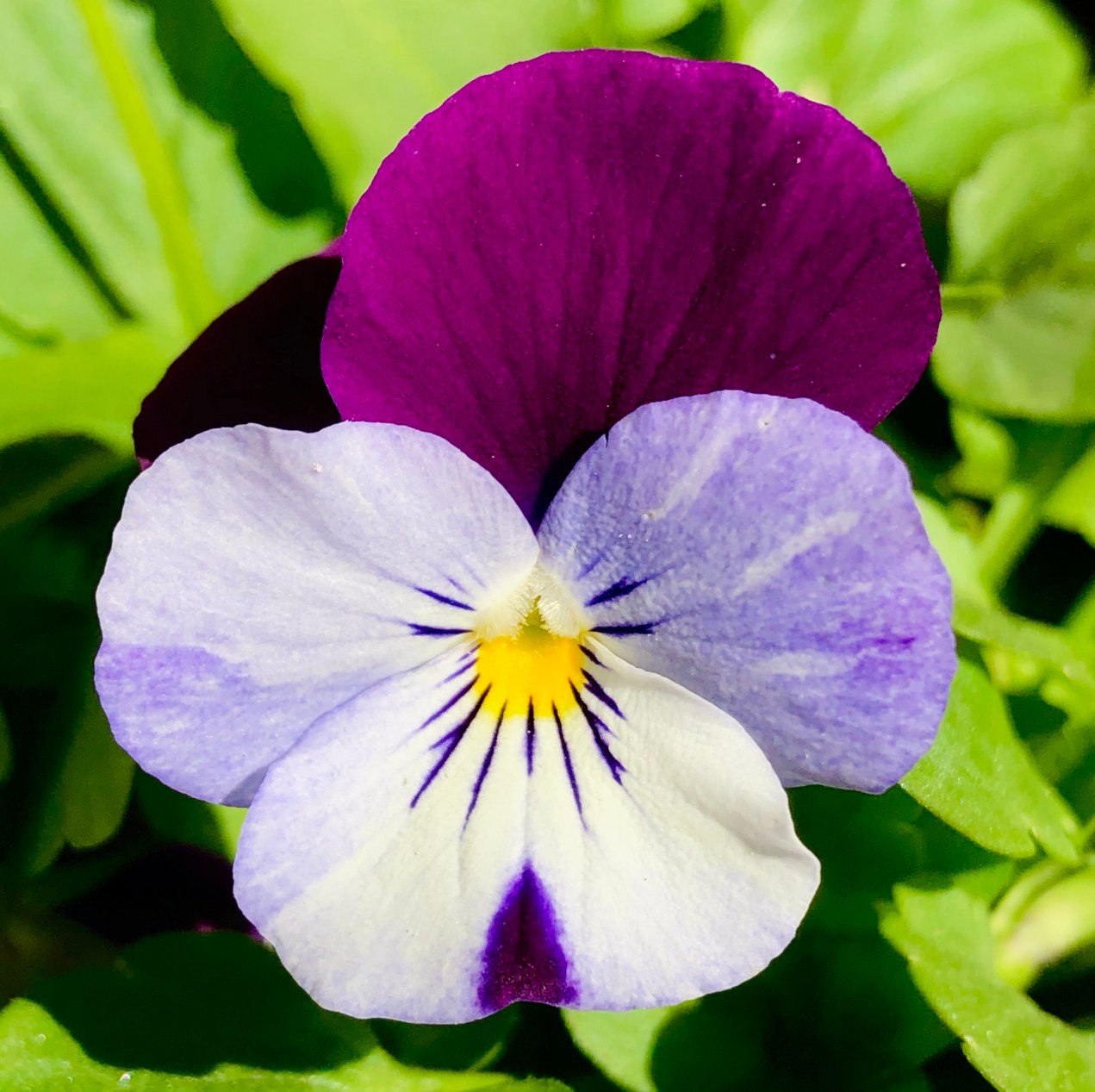
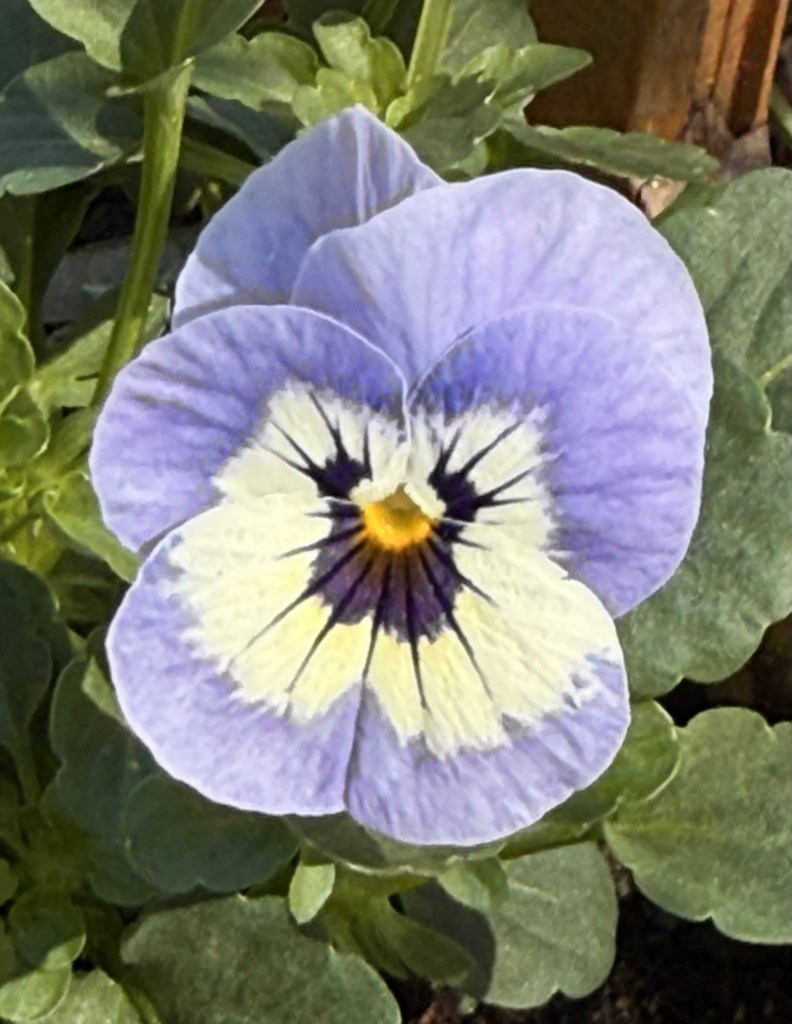
This year, there were so many beautiful options available. The tables were full of familiar faces – deep purples, soft yellows, delicate pastels – but for reasons I can’t fully explain, it was the bluish tones that drew me in. Cool, calm, and slightly muted, they felt right for this spring. I didn’t notice any truly new colors this time, but that wasn’t disappointing. Sometimes it’s comforting to return to shades you already know and trust.

Violets (viola) are not demanding plants. They settle in easily, tolerate cool days, and just keep flowering. Once planted, they seem content to do their own thing, quietly blooming day after day without asking much in return. That reliability makes them ideal spring flowers, especially after a long winter.

Now they are in place at the summer cottage, brightening up the early season when little else is in bloom. It didn’t take long before they were noticed. Bumblebees were the first visitors, heavy and focused, followed soon by butterflies drifting lightly from flower to flower. Seeing life return so naturally always feels reassuring.

Violets may not shout for attention, but they are always present, always working, always blooming. And once again, they have taken their rightful place as the starting point of spring.
Standard
flower, gardening

Hilma

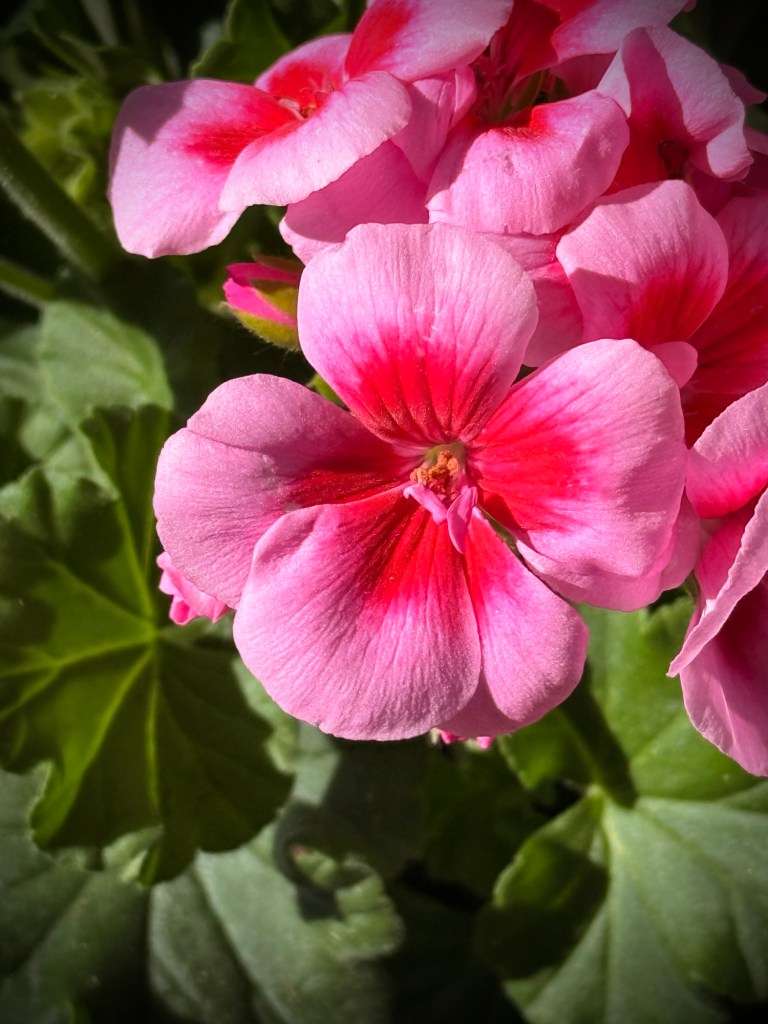
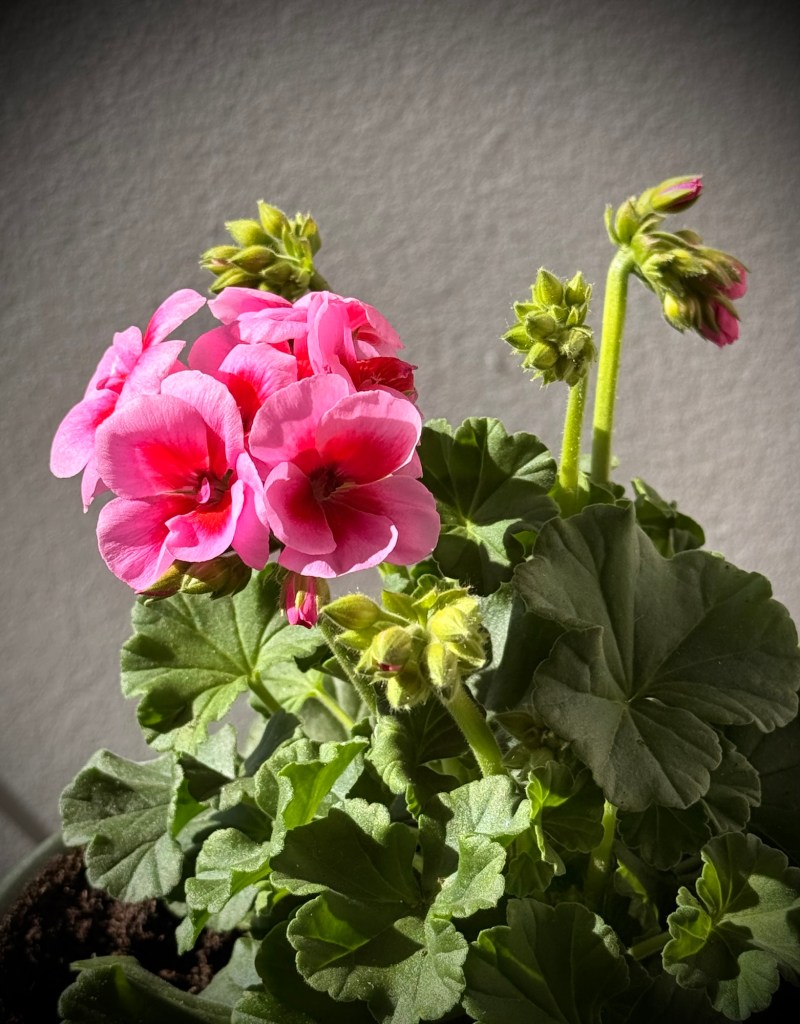
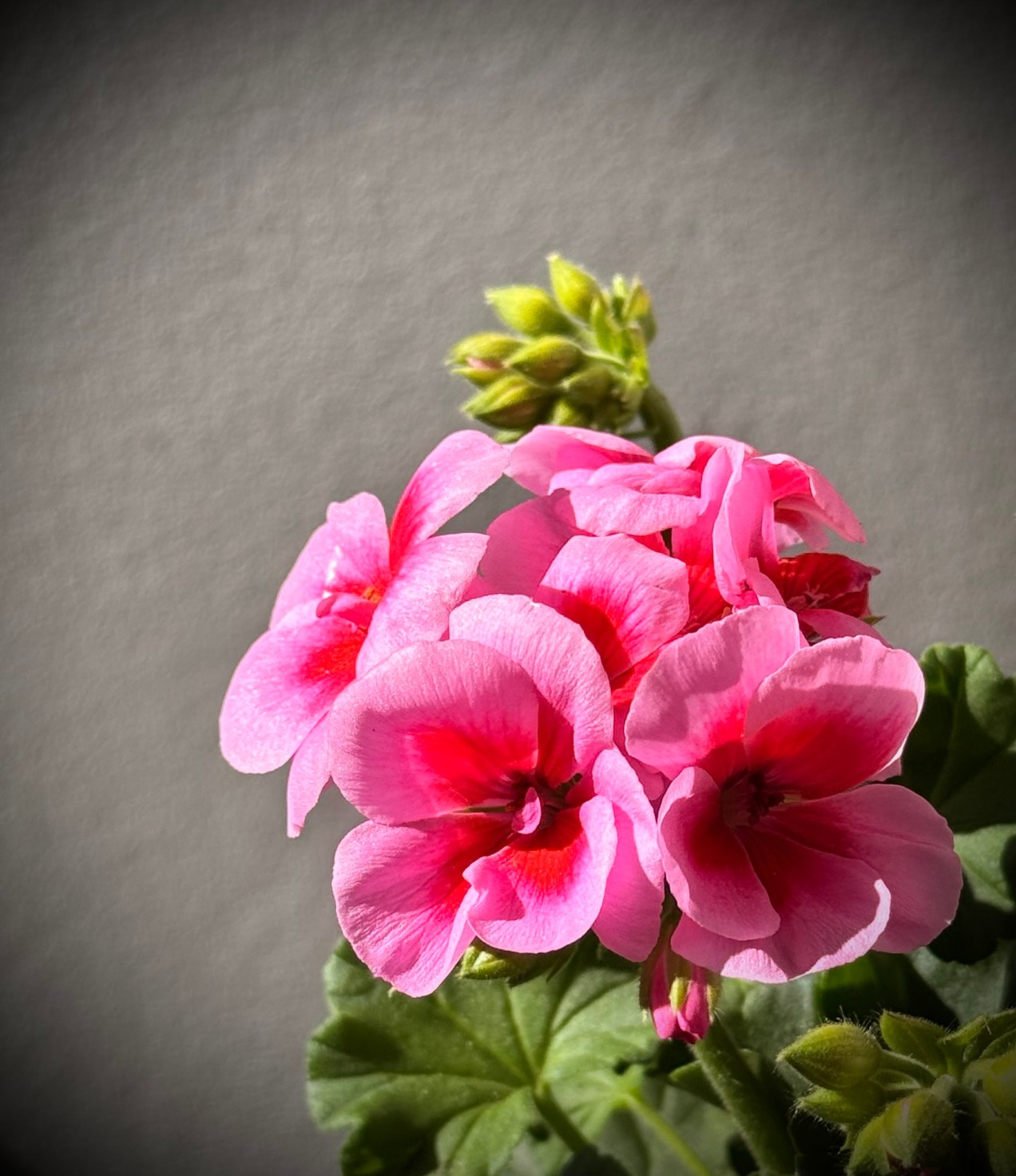
Some plants arrive with a sensible plan behind them, others simply follow the heart. Hilma belongs firmly to the second category. She was not cheap, and I knew that perfectly well while standing there, hesitating just a moment longer than usual. But some colours do that to you. The soft layering, the gentle contrast, the way the petals seem to glow even without direct sunshine — resisting felt pointless. Hilma (Geranium ‘Hilma’) came home with me.

Now she sits on the balcony, where the light shifts slowly through the day. In the mornings, the colours feel cooler and calmer; in the long evenings, they deepen and warm up, almost changing character. This is what I love about geraniums like Hilma — they are never static. They respond to light, temperature, and time in a way that keeps you looking twice.

What draws me to these varieties, again and again, is their reliability. They tolerate cold with remarkable grace, making them ideal companions for northern balconies. Even when nights dip lower and the air feels sharp, they hold on. Six months or more outdoors is not unusual here, and that kind of endurance feels almost generous.

This spring has felt especially full of light. The days stretch endlessly, and even ordinary moments seem brighter for it. Hilma has settled into this rhythm quickly, her foliage healthy and steady, her blooms unhurried but confident. There is no rush — just consistency, day after day.

Sometimes I think that is why I didn’t mind the price after all. Hilma isn’t a fleeting pleasure. She is presence. She stays, she adapts, and she rewards patience. On a northern balcony, surrounded by wind, light, and long evenings, that feels like exactly the kind of plant worth choosing.

Standard
flower, gardening

Violet

The spring has finally arrived. It has been a beautiful sunny week up here in the north and it feels good to have all this light and longer days after the winter.

The gardening stores are now opening their doors and since the day was made for spending time outdoors I took a long walk to one of them.

Since it should not be getting too cold during the nights anymore decided to by violets (viola). Even though we still are going to go below the freezing temperatures violets are able to make through them.

Just noticed that I have not posted anything to this blog for ages. Have been too busy working and in the end the gardening season up here is short, less than half a year long.

Standard
flower, gardening

Violet

The violets (viola) are now in the stores.

It seems that this year I was not able to select my favorite color.

I just ended up buying all kinds of colors.

This season the most popular colors seem to be different shades of violet, purple or blue.

Black is a color you do not often see in a flower but it is gaining popularity.

I guess I still need to buy few more colors to brighten my day. Luckily violets are not that expensive.

Standard
flower, gardening

Alpine Clematis

Up here in the north the day is now nearly 20 hours long and everything is growing with a staggering speed. The summer is short and the time is limited.

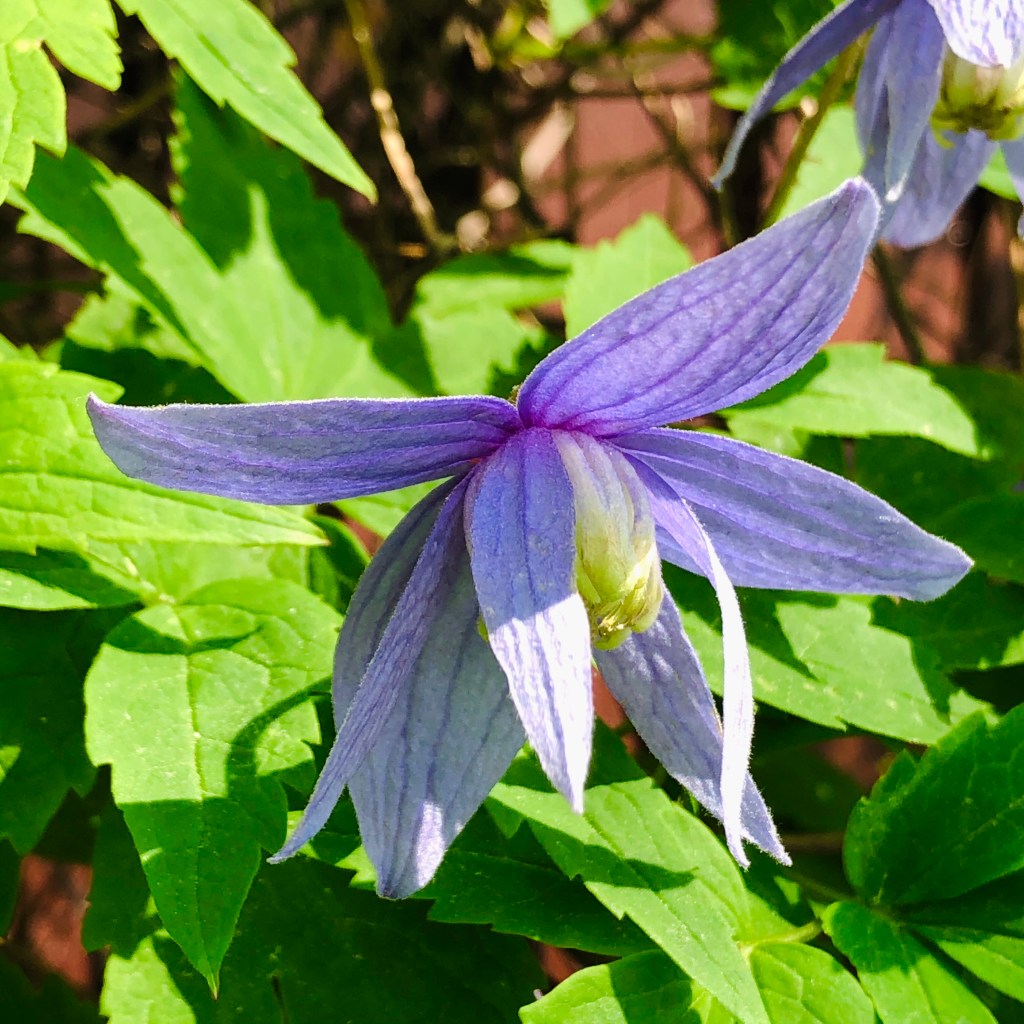
Alpine Clematis (Clematis alpina) is blooming and full of bees. Which seem to be absolutely in love with it.

Alpine Clematis can take the cold and is very hardy. Even grows well further up in the north.

Standard
flower, gardening

Flaming Flag

The late blooming tulips are still blooming up here in the north. Most of the others are already gone.

The flaming flags (Tulipa ‘Flaming flag’) are doing well and it seems that we did not loose any during the winter.

We have been promised good weather for the next week and hopefully the summer flowers start their show.

Standard
gardening

Common Lilac

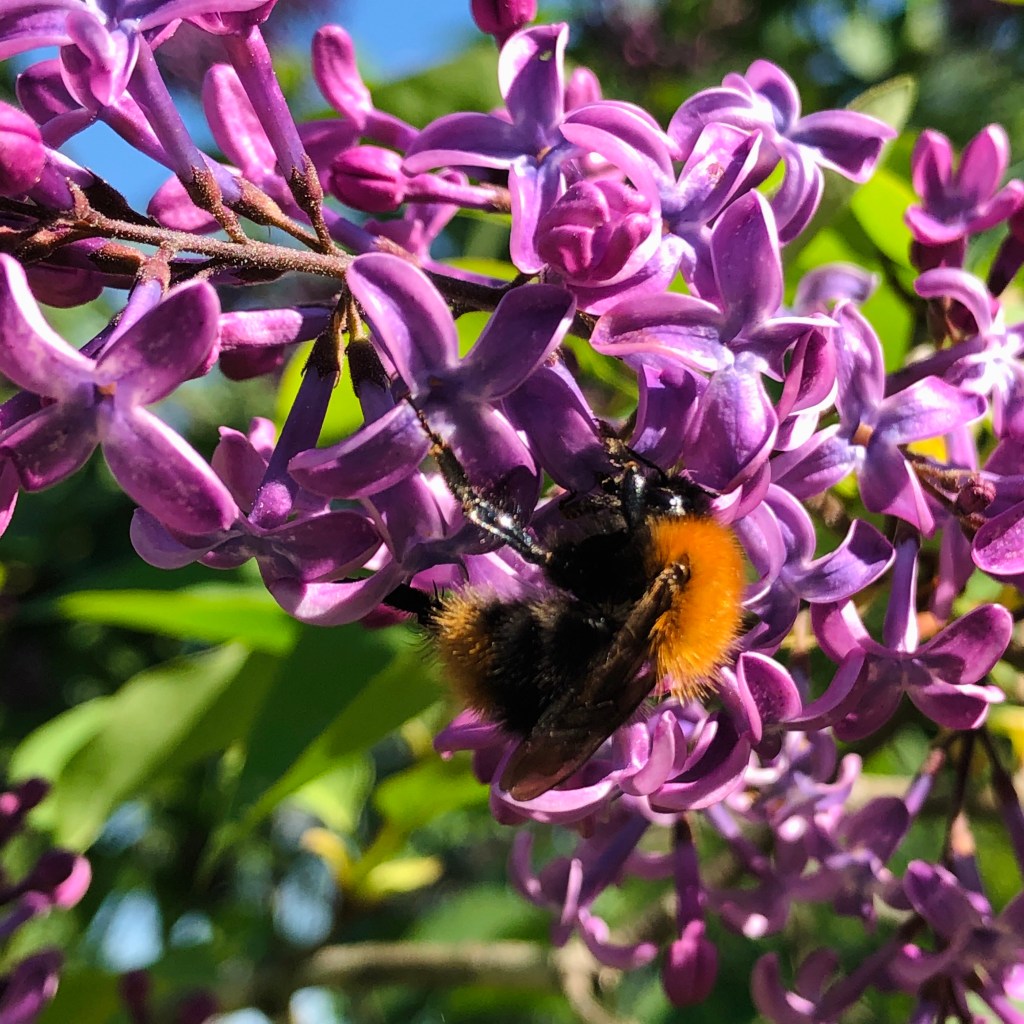
Common Lilacs (Syringa) are starting to bloom up here in the north.

The blooms are crowded with butterflies and bees. The ones in the pictures are Common Yellow Swallowtail (Papilio machaon) and Tree Bumblebee (Bombus hypnorum) which both are common for the region.

I just love the smell of the lilacs. It is simply intoxicating. The variety we have is an old one and has been here more than hundred years.

Standard
flower, gardening

Olympia

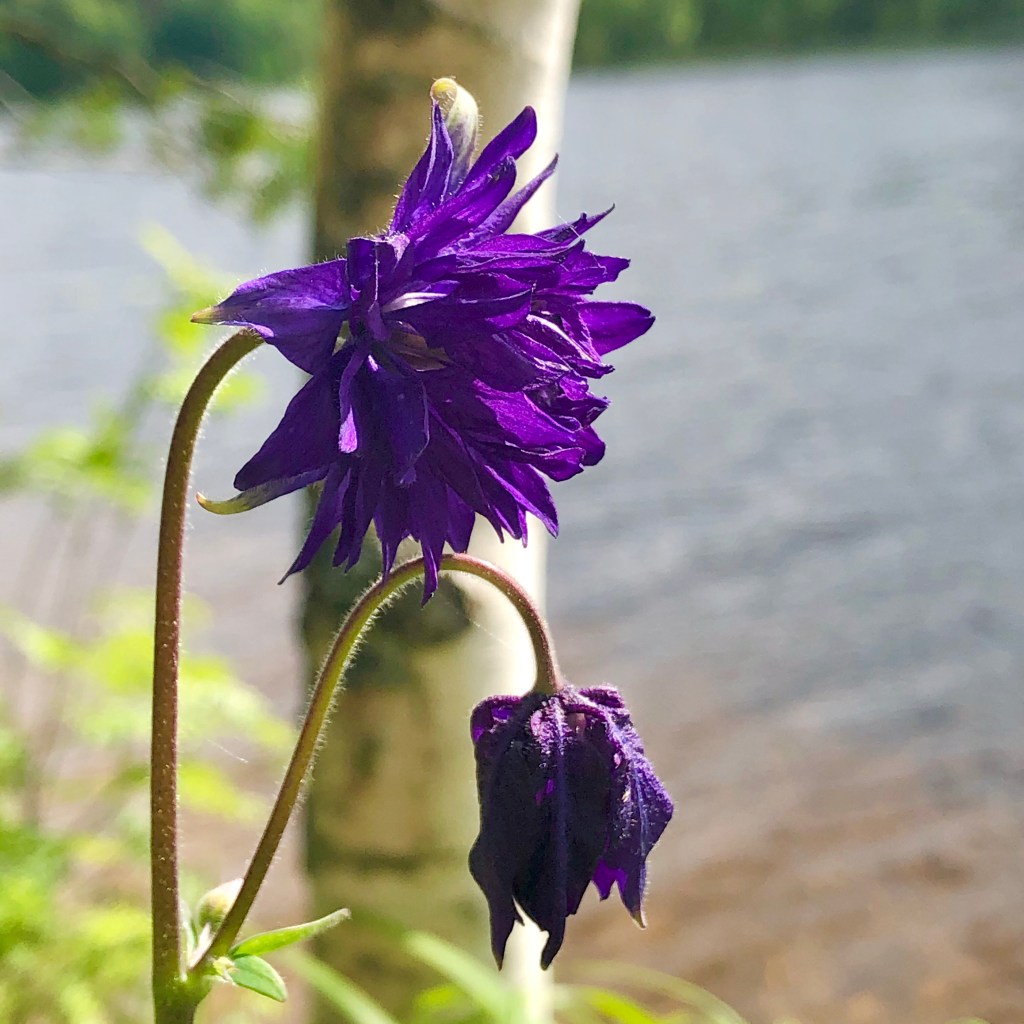
Columbine Olympia (Aquilegia ‘Olympia’) also called Lapland’s Aquilegia is used to short summers and is always the first one to bloom.

Originally got the seeds from Rovaniemi, in other words the variety is extremely hardy and can easily take the coldness.

The color is beautiful violet-yellow and the flowers are easily one of the largest ones when it comes to the columbines.

Standard