
A few years ago, I planted my first rhododendrons with great anticipation. At the time, I chose three varieties that looked beautiful in the nursery—lush leaves, promising buds, and colors that felt almost exotic in a northern garden. They are still alive today, which in itself feels like a small victory, but they have never truly thrived. Each spring they wake slowly, cautiously, and their growth has remained modest. I’ve come to suspect that they simply are not quite hardy enough for our conditions.
Still, it is hard to give up on rhododendrons. When they bloom, even modestly, they bring a completely different atmosphere to the garden—something soft, almost woodland-like, with their deep green leaves and layered flowers.
So this year, I decided to try again.
This time, I searched more carefully for varieties known for better hardiness in northern climates. Instead of choosing only by appearance, I focused on durability and resilience. I ended up bringing home two new plants, both slightly different in character but selected with the same hope: that they might adapt better to our winters.
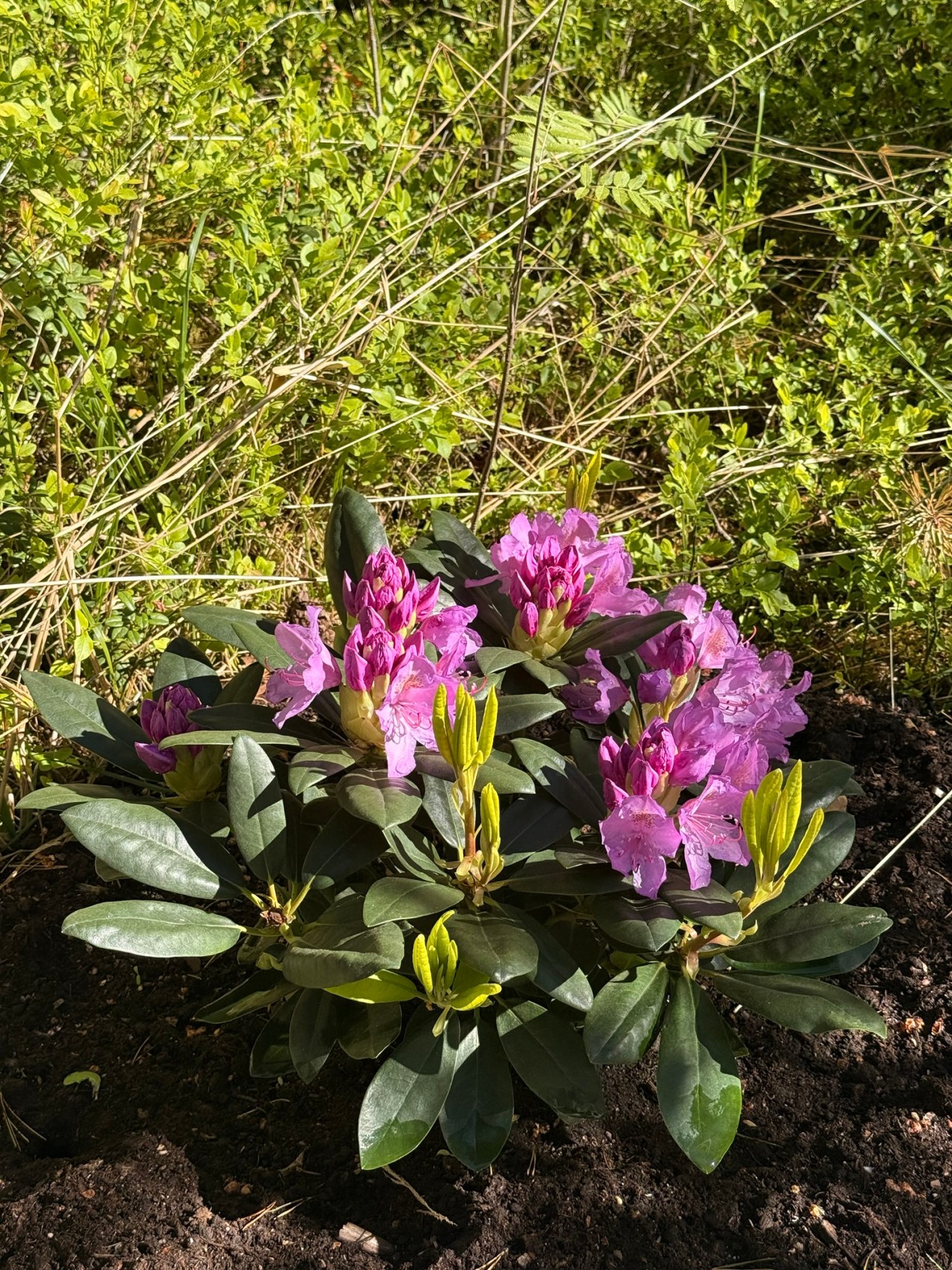
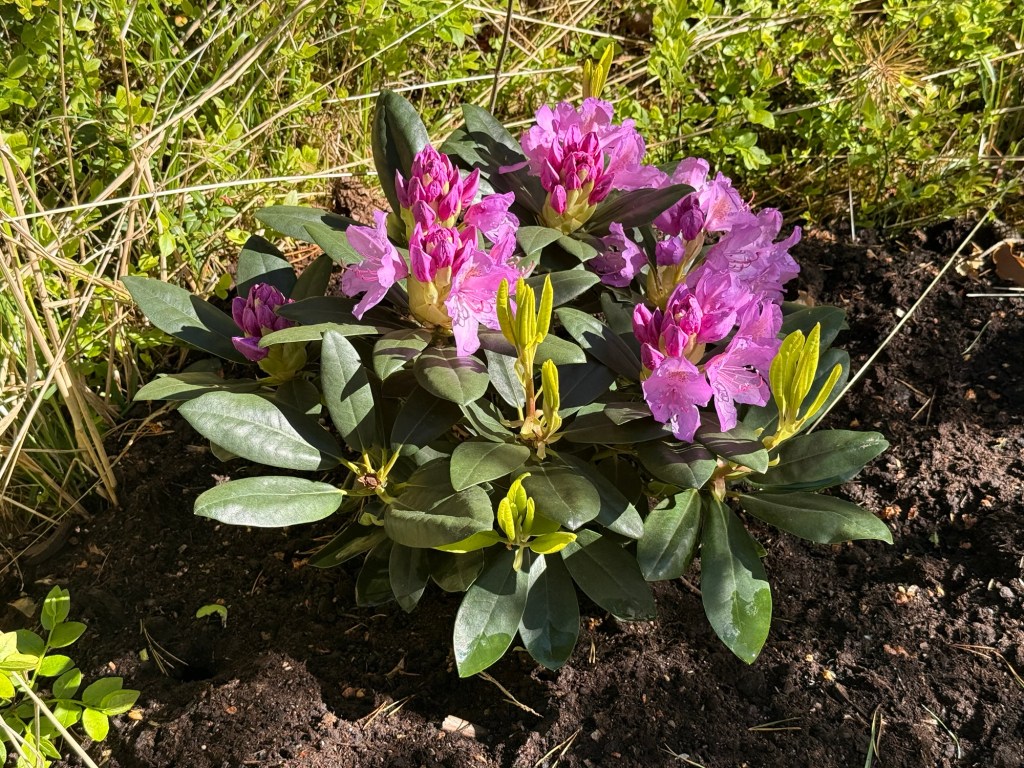
One of them is already rewarding me, (Rhododendron ’Pohjola’s Daughter’).
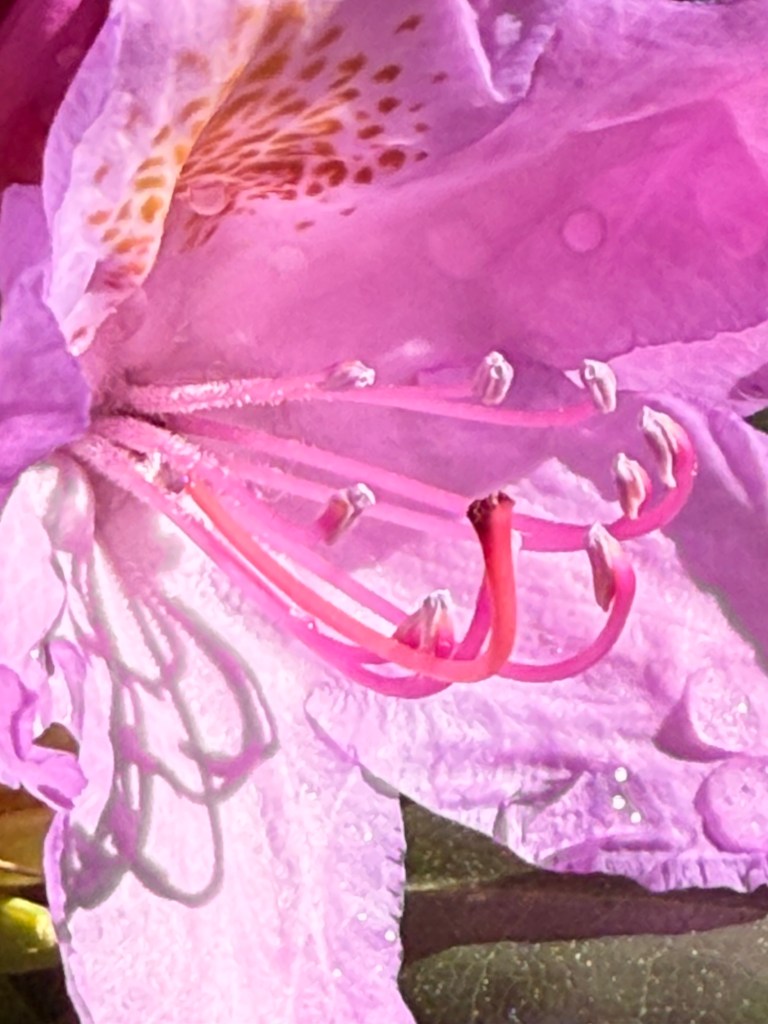
It is now in bloom, and I find myself returning to look at it several times a day. The flowers are arranged with a quiet symmetry, forming a neat and balanced shape that feels almost deliberate. There is something satisfying about its structure—nothing wild or sprawling, but calm and composed.
Of course, early success in summer does not guarantee anything. Here in the north, the true test always comes later. Snow, wind, and long periods of cold will decide whether this plant can truly belong here.
Still, I allow myself a bit of optimism.
It would be wonderful to have rhododendrons that not only survive, but bloom reliably year after year. A plant that settles in, strengthens over time, and becomes part of the garden rather than a yearly uncertainty.
For now, I will simply enjoy this moment—this season of flowers, symmetry, and promise.
And in a few years, we will know the answer.
 Gardening in the North