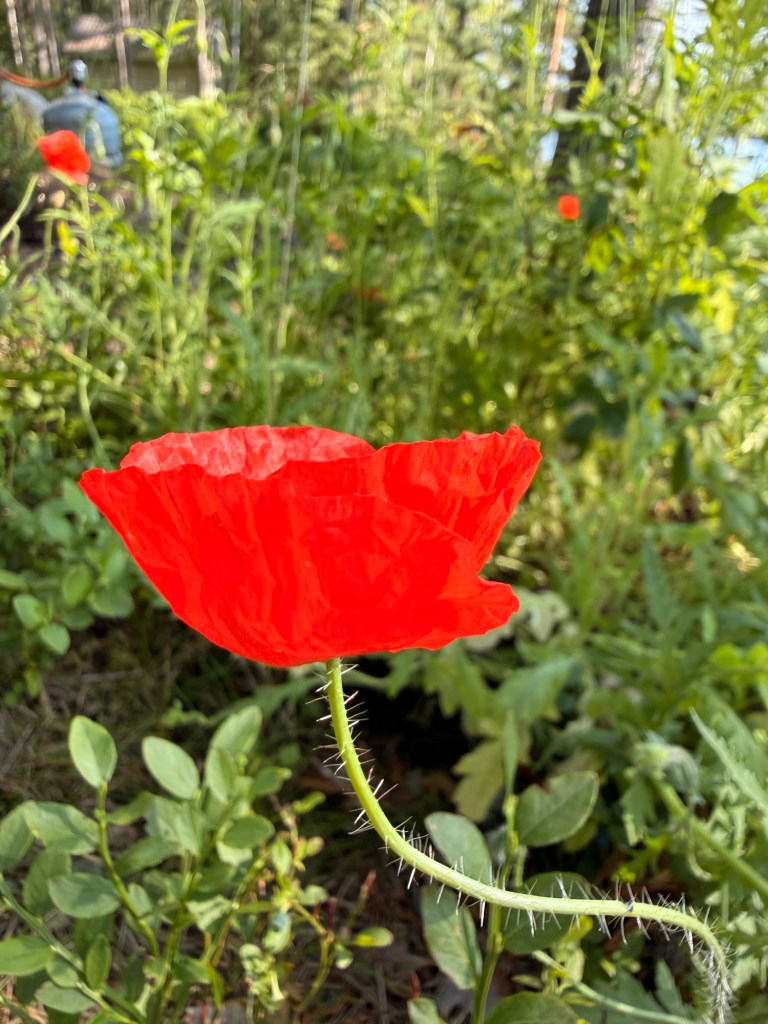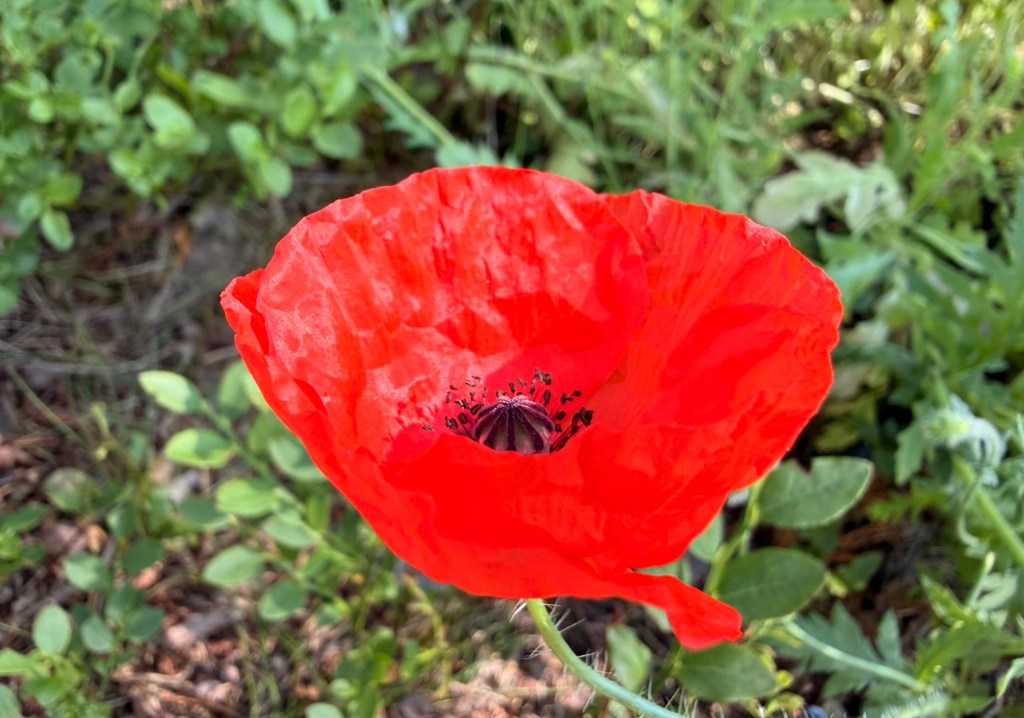
There are flowers that quietly blend into the background, and then there are flowers that demand attention the moment they bloom. The common poppy, Papaver rhoeas, undoubtedly belongs to the latter group. Its silky, scarlet-red petals seem almost to glow in the summer sunshine, creating a breathtaking contrast against green meadows, cottage gardens, and vegetable patches. Every time I walk past blooming poppies, I find myself stopping for a moment just to admire them. They may be delicate, but they leave a lasting impression.
This year I decided to grow Papaver rhoeas once again. It is not a flower I have cultivated very often, but judging by how well it has settled into my garden, I suspect it may become a regular visitor. The plants have grown strongly, and their brilliant flowers have brought a wonderful splash of colour to the borders.
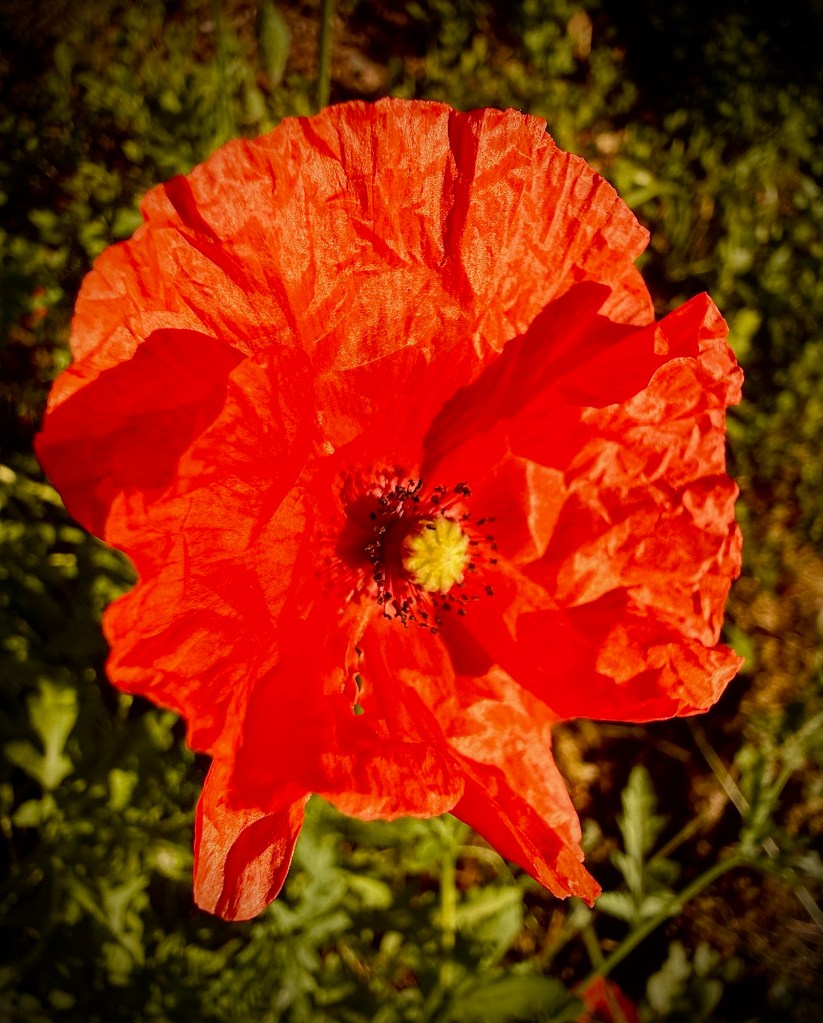
Papaver rhoeas is native to Europe, North Africa, and western Asia, but over centuries it has spread across much of the world. It is one of those plants that has followed people wherever agriculture has travelled. Traditionally, poppies flourished in grain fields, where their tiny seeds lay dormant in the soil until cultivation disturbed the ground. Even today, seeing a field sprinkled with red poppies is one of the classic images of the European countryside.
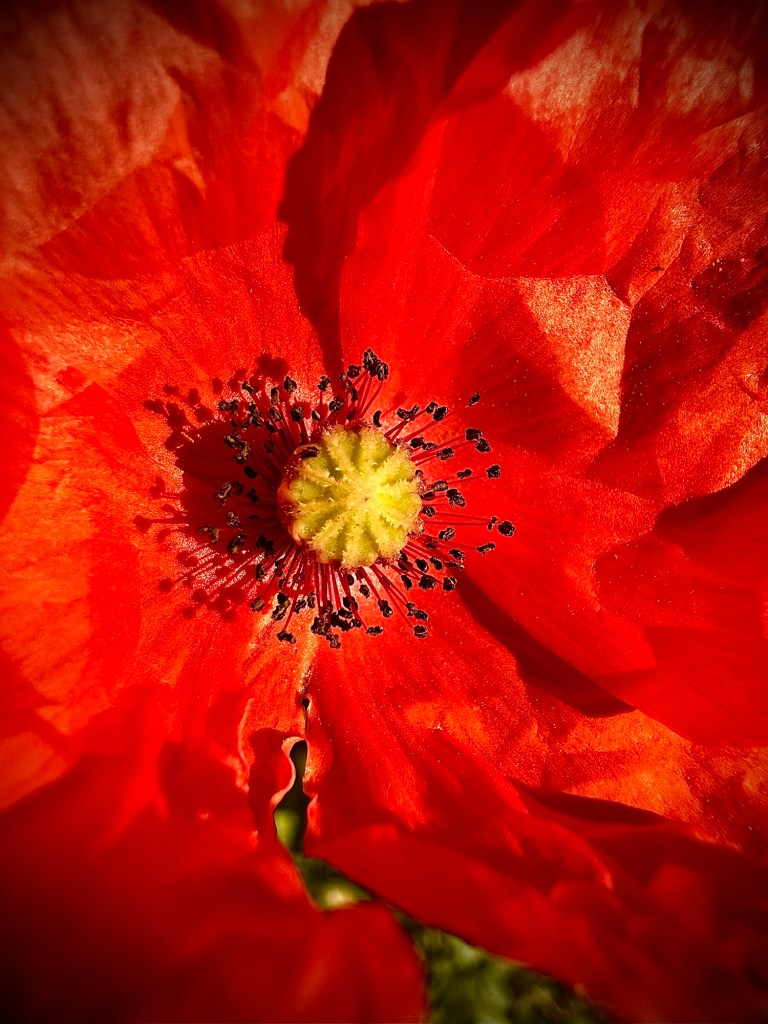
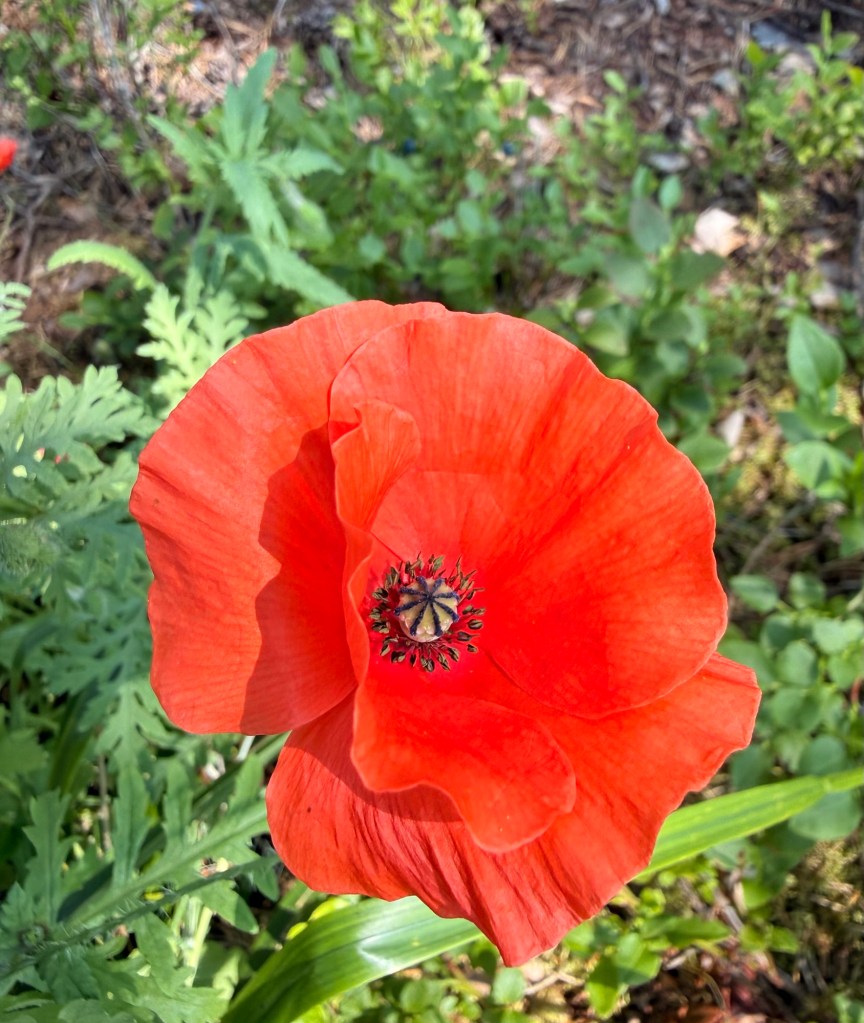
The flowers themselves are surprisingly simple. Each bloom consists of four delicate petals with a satiny texture that almost resembles crumpled silk. In the centre sits a striking dark eye surrounded by numerous pollen-rich stamens, making the flowers highly attractive to bees and other pollinating insects. On sunny days, the blossoms seem almost luminous.
One characteristic of poppies often surprises new gardeners: each flower only lasts for a short time. A bloom may remain at its best for only a day or two before the petals fall like delicate pieces of tissue paper. At first this can feel disappointing, especially after waiting weeks for the first flowers to open.
Fortunately, nature has given poppies a clever solution.
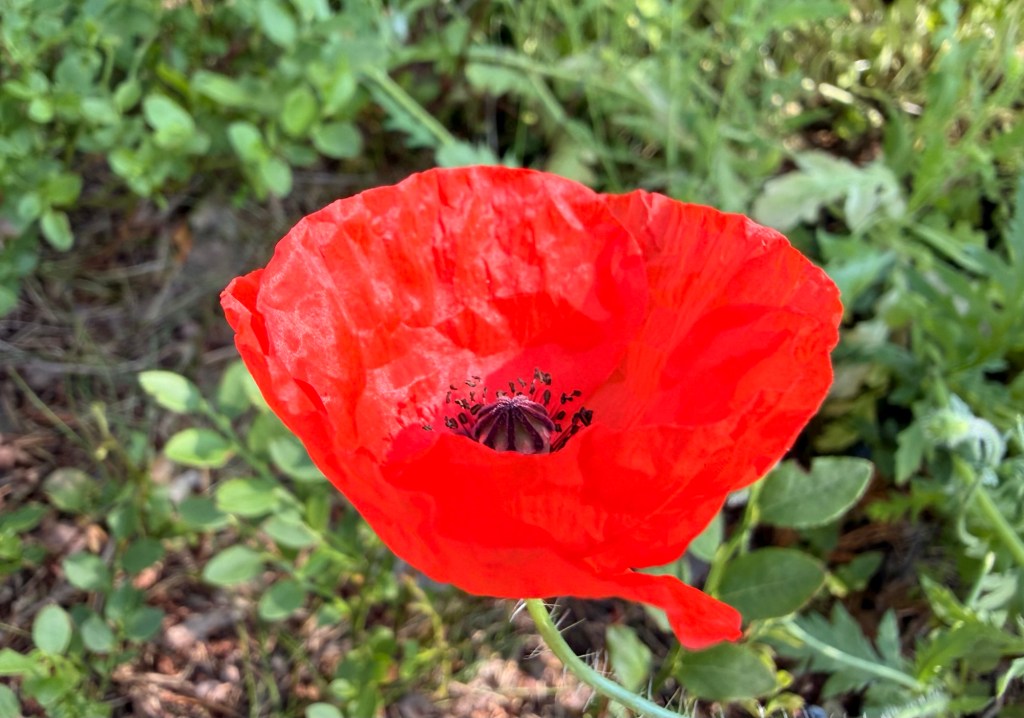
Instead of producing a few long-lasting blooms, the plants create an abundance of flower buds. As one flower fades, another opens almost immediately. This succession of blooms allows the display to continue for weeks, ensuring that the garden always has fresh flashes of scarlet.
Even after flowering has finished, the plants continue to offer beauty. One of my favourite features of Papaver rhoeas is its decorative seed capsules. Standing upright on elegant stems, they almost look like tiny works of natural architecture. Their neat rounded shape and flat “lid” make them fascinating to examine up close.
I rarely remove these seed pods immediately. Instead, I allow them to mature fully. As summer progresses, they dry naturally, changing from green to pale brown. Eventually the tiny openings beneath the top of the capsule allow the seeds to escape whenever the wind shakes the stem.
For me, collecting those seeds has become part of the gardening season. I simply cut the mature capsules, let them dry indoors if necessary, and gently shake thousands of tiny black seeds into a paper envelope. It is always remarkable to think that each one has the potential to become another beautiful flowering plant next year.
Saving seeds is one of the great pleasures of gardening. Not only does it reduce costs, but it also creates a satisfying connection between one growing season and the next. Every envelope of seeds carries memories of the previous summer while holding the promise of the next.
Growing Papaver rhoeas is refreshingly straightforward. The seeds are best sown directly outdoors because poppies dislike having their roots disturbed. They prefer full sun and reasonably well-drained soil. In fact, they often perform better in modest garden soil than in overly rich, heavily fertilised beds.
One of the things I appreciate most is their natural appearance. Rather than looking overly formal, poppies fit beautifully into wildlife gardens, cottage gardens, and informal borders. Their relaxed habit makes them appear as though they have simply chosen the perfect place to grow on their own.
The bright red flowers also combine beautifully with many other early summer favourites. White daisies, blue cornflowers, lavender, and ornamental grasses all create wonderful companions, highlighting the vivid scarlet blooms even more dramatically.
Historically, Papaver rhoeas has carried deep symbolic meaning. Following the First World War, the red poppy became an international symbol of remembrance after vast numbers of poppies bloomed across disturbed battlefields in northern France and Belgium. Today, the flower continues to represent hope, remembrance, and peace in many countries around the world.
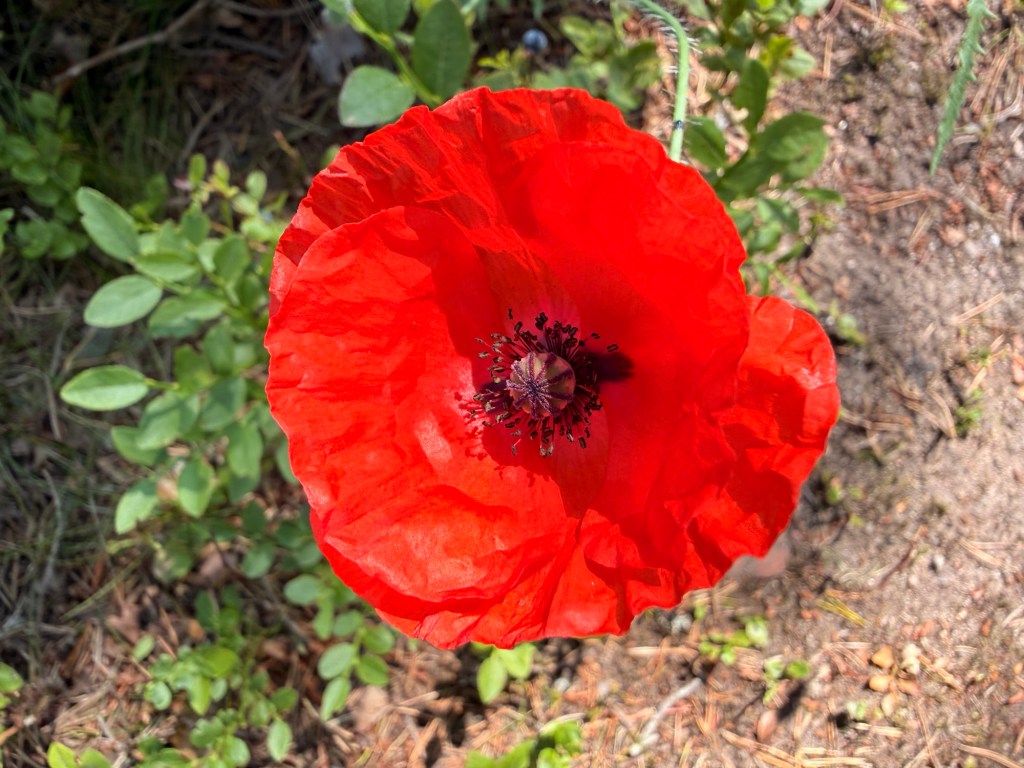
Fortunately for gardeners, the common poppy is valued not only for its symbolism but also for the joy it brings each summer. It asks for very little while giving back an extraordinary display of colour.
Looking at my own plants this year, I am genuinely pleased that I decided to sow them. Although this has never been one of my most frequently grown annuals, it has adapted beautifully to my northern garden. Watching each silky flower open in the morning sunshine has been a reminder that some of the most memorable garden moments are also the most fleeting.
Perhaps that is exactly what makes poppies so special.
Their flowers may last only a short while, but during those brief days they capture every eye in the garden. And when the petals finally drift away, they leave behind elegant seed capsules filled with the next generation—tiny reminders that every gardening season quietly prepares the one that follows.
That simple cycle of blooming, collecting seeds, and starting again next spring is one of the reasons I continue to love gardening. Even the shortest-lived flowers can leave the longest-lasting memories.